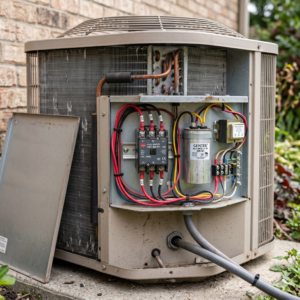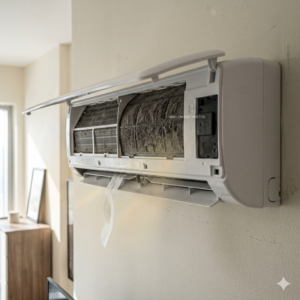





Understanding hvac installation residential in Dubai is essential if you want reliable cooling, energy efficiency, and long-term performance in extreme UAE temperatures. Costs, system choices, and installation quality all directly affect comfort and electricity usage. This guide explains 2026 price ranges, system options, and how to choose the right setup.
Table of Contents
ToggleResidential HVAC Installation Cost in Dubai 2026
HVAC installation costs in Dubai vary depending on system type, capacity, property size, and installation complexity. Unlike simple AC replacement, full HVAC installation includes design, materials, labor, and system integration.
| System Type | Estimated Cost Range (AED) | Typical Use |
|---|---|---|
| Split AC System | 2,500 – 6,500 per unit | Small apartments, single rooms |
| Ducted Split System | 8,000 – 18,000 per unit | Apartments, villas |
| VRF / VRV System | 35,000 – 120,000+ | Luxury villas, large properties |
Note: These prices are slightly below average market rates and may vary depending on brand, installation conditions, and property requirements.
Installation Labor Cost and Breakdown
Labor is a significant part of HVAC installation cost. It includes system setup, ductwork, electrical connections, and testing.
- Basic installation labor: AED 500 – 1,500 per unit
- Ducted system installation: AED 2,000 – 6,000
- Full villa HVAC installation: AED 5,000 – 15,000+
Labor cost increases with complexity, especially when ductwork, ceiling modifications, or long piping routes are involved.
Key Factors That Affect HVAC Installation Cost
1. Tonnage Requirement
Tonnage refers to cooling capacity. Larger spaces require higher tonnage systems, which increases equipment and installation costs.
2. Brand Choice
Premium brands (such as Daikin, Mitsubishi, or O General) cost more but offer better durability and efficiency. Budget brands may reduce upfront cost but can increase long-term maintenance.
3. Copper Piping Length
The longer the piping between indoor and outdoor units, the higher the material and labor cost.
4. Property Layout
Complex layouts, high ceilings, or multiple zones increase installation difficulty and cost.
Choosing the Right HVAC System for UAE Climate
T3 Rated Compressors Are Essential
In Dubai, summer temperatures can exceed 45°C. T3-rated compressors are designed for high ambient temperatures and are essential for reliable performance.
Using a non-T3 system may result in:
- Reduced cooling performance
- Higher energy consumption
- Shorter system lifespan
Inverter vs Non-Inverter Systems
Inverter systems adjust compressor speed based on demand, improving efficiency and reducing electricity consumption.
| Type | Energy Efficiency | Best For |
|---|---|---|
| Non-Inverter | Lower | Short-term use |
| Inverter | Higher | Long-term savings |
In Dubai’s climate, inverter systems are generally more cost-effective over time.
Importance of Proper Heat Load Calculation
Heat load calculation determines the correct AC size required for your space. Oversized or undersized systems can cause inefficiency and discomfort.
Factors considered:
- Room size and ceiling height
- Sun exposure and insulation
- Number of occupants
- Appliances and lighting
Incorrect sizing can lead to:
- Frequent system cycling
- Higher electricity bills
- Uneven cooling
Step-by-Step HVAC Installation Process
1. Site Survey
Initial inspection to assess property layout, cooling requirements, and installation constraints.
2. System Design
Selection of system type, tonnage, and duct layout based on calculated heat load.
3. Material Preparation
Includes duct fabrication, piping, and equipment setup.
4. Installation
Mounting indoor and outdoor units, installing ducts, and connecting electrical systems.
5. Testing and Commissioning
Final step to ensure system performance, airflow balance, and cooling efficiency.
Dubai Municipality and DEWA Compliance
HVAC installations in Dubai must comply with local regulations to ensure safety and efficiency.
- Dubai Municipality guidelines for ventilation and hygiene
- DEWA standards for electrical load and energy efficiency
- Proper drainage and insulation requirements
Non-compliance can lead to performance issues or future penalties.
Energy Efficiency Standards in UAE
Energy efficiency is a key factor in HVAC selection due to high electricity usage in Dubai.
Look for systems with:
- High EER (Energy Efficiency Ratio)
- Inverter technology
- Proper insulation and sealing
Efficient systems reduce long-term operating costs significantly.
How to Choose the Right HVAC Contractor
- Experience with residential HVAC systems
- Knowledge of UAE climate conditions
- Clear installation process explanation
- Warranty on equipment and labor
Understanding how professional AC installation is handled helps you evaluate contractor quality.
Red Flags to Avoid During HVAC Installation
- No proper site inspection before quoting
- Unclear pricing or hidden costs
- Use of non-T3 equipment in UAE
- Lack of warranty or documentation
These signs often indicate poor installation quality.
Long-Term Value of Proper HVAC Installation
- Stable indoor temperature
- Lower electricity bills
- Reduced maintenance issues
- Extended system lifespan
Proper installation is as important as the system itself.
Understanding Cost vs Performance
Choosing the cheapest option often leads to higher long-term costs due to inefficiency and repeated repairs.
A properly installed HVAC system provides better performance and lower operating costs over time.
If you are planning HVAC installation or noticing performance issues with your current system, it is important to address them early. Incorrect sizing, poor installation, or inefficient systems can lead to high electricity consumption, uneven cooling, and long-term damage. With the right approach, these risks can be minimized and system performance can be optimized. If you need clarity about your setup or installation options, you can use the WhatsApp or Call button on the top right to connect with the Bio On Air team and understand the most suitable next step.
Conclusion
Residential hvac installation in Dubai involves more than just choosing a system. By understanding costs, system types, and installation requirements, you can make informed decisions that ensure comfort, efficiency, and long-term reliability.