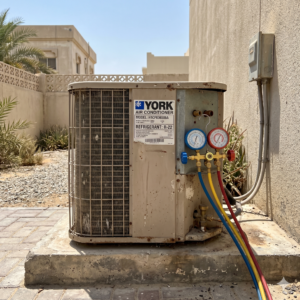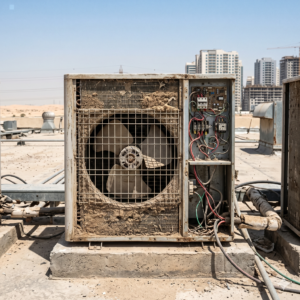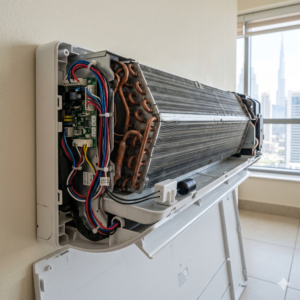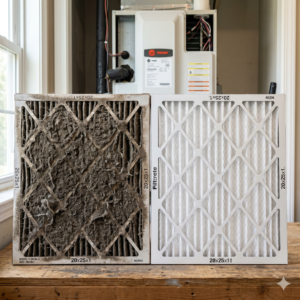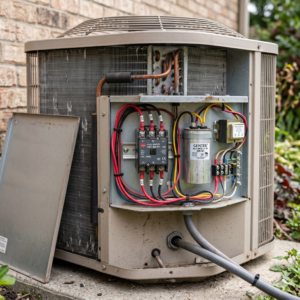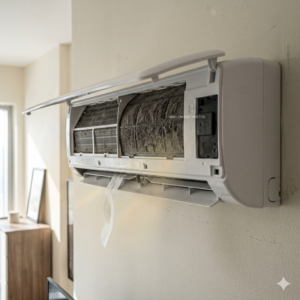





Understanding ac installation parts is essential if you want a reliable, efficient, and long-lasting cooling system in the UAE. AC installation is not just about placing a unit—it involves multiple components working together. In this guide, we cover a complete checklist of parts, materials, tools, and technical standards used in Dubai installations.
Table of Contents
ToggleCore AC Installation Parts Checklist
Every AC installation, whether for an apartment or villa, relies on a set of essential components. Missing or low-quality parts can lead to leaks, inefficiency, or early system failure.
- Copper piping (refrigerant lines)
- Insulation and lagging materials
- Refrigerant gas (R32 or R410A)
- Electrical cables and wiring
- Circuit breakers and isolators
- Drainage system components
- Mounting and structural hardware
Each of these plays a critical role in system performance and safety.
Copper Piping and Refrigerant Lines
Copper pipes are the backbone of any AC system. They carry refrigerant between indoor and outdoor units.
Common Copper Pipe Sizes
- 1/4 inch (liquid line)
- 3/8 inch (small systems)
- 1/2 inch (medium systems)
- 5/8 inch (larger capacity units)
The correct size depends on the AC capacity and manufacturer specifications. Incorrect sizing can reduce cooling efficiency and damage the compressor.
Types of Copper Used in UAE
- Mueller copper (premium, imported)
- Maksal copper (commonly used, reliable)
High-quality copper reduces the risk of leakage and ensures proper refrigerant flow.
Insulation and Lagging Materials
Insulation prevents energy loss and condensation on refrigerant pipes. In the UAE climate, proper insulation is critical due to extreme temperature differences.
Common Insulation Types
- Rubber insulation (Aerofoam / K-Flex type)
- Foam insulation sleeves
Additional Protection
- Canvas cloth wrapping
- Protective coating or adhesive
Without proper insulation, pipes can sweat, causing water damage and reduced system efficiency.
Refrigerant Gas Types Used in UAE
Modern AC systems in Dubai primarily use two types of refrigerant gases:
R32 Refrigerant
- Higher efficiency
- Lower environmental impact
- Slightly flammable (requires proper handling)
R410A Refrigerant
- Widely used in older systems
- Stable and non-flammable
- Higher pressure compared to older gases
The refrigerant must always match the AC unit specification. Mixing or using the wrong gas can damage the system.
If refrigerant levels are not properly managed during installation, it can lead to performance issues later. This is why correct AC gas handling and refill procedures are important even at the installation stage.
Electrical and Control Components
Electrical parts ensure safe and stable operation of the AC system.
Power Cables
- Heavy-duty cables for outdoor unit
- Proper sizing based on load
Communication Wiring
- Connects indoor and outdoor units
- Ensures signal transmission
Circuit Breakers
- Protect against overload
- Prevent electrical damage
Outdoor Isolators
- Weatherproof switches installed near outdoor unit
- Required for safety during maintenance
Thermostats
- Manual thermostats
- Smart thermostats (programmable)
Proper electrical setup is essential for safety and long-term reliability.
Mounting and Structural Hardware
These components ensure the AC system is physically stable and properly positioned.
Outdoor Unit Brackets
- Wall-mounted or floor-mounted
- Must support unit weight safely
Vibration Isolators
- Reduce noise and vibration
- Prevent structural damage
Wall Sleeves
- Protect pipe entry points
- Maintain clean wall finish
Decorative Trunking
- Covers exposed piping
- Improves visual appearance
Proper mounting prevents long-term issues such as noise, movement, and pipe stress.
Drainage System Components
AC systems produce condensation that must be drained properly.
Drain Pipes
- PVC pipes (standard in UAE)
- Proper slope required for drainage
Fittings
- Elbows and connectors
- Ensure leak-free joints
U-Trap
- Prevents air backflow
- Maintains proper drainage pressure
Condensate Pump
- Used when gravity drainage is not possible
- Common in complex installations
Improper drainage can lead to water leakage and ceiling damage.
Tools Required for AC Installation
Professional installation requires specialized tools to ensure system integrity.
- Manifold gauge (pressure measurement)
- Vacuum pump (removes air and moisture)
- Flaring tool (pipe connection preparation)
- Pipe cutter
- Leak detector
Skipping proper tools can result in hidden issues like gas leaks or moisture contamination.
Technical Standards and Compatibility in UAE
AC installations in Dubai must follow specific technical standards:
- Correct pipe sizing based on AC capacity
- Proper insulation thickness
- Safe electrical load handling
- Compliance with local safety regulations
Incorrect installation can lead to:
- Reduced cooling efficiency
- Higher electricity consumption
- Frequent system failures
Common Mistakes in AC Installation Parts Selection
- Using low-quality copper pipes
- Skipping insulation or using thin material
- Incorrect pipe sizing
- Poor electrical connections
- Improper drainage slope
These mistakes often cause long-term problems that are difficult to detect immediately.
Overview of HVAC Spare Parts Suppliers in Dubai
Dubai has a strong HVAC supply network. Common supplier types include:
- Wholesale HVAC markets (Deira, Al Quoz)
- Authorized brand distributors
- Online spare parts suppliers
Key considerations when sourcing parts:
- Availability of genuine components
- Delivery time
- Compatibility with your system
Fast delivery is especially important for urgent installations or replacements.
Delivery and Availability Considerations
In Dubai, most HVAC parts are readily available, but delays can occur for specialized items.
- Standard parts: same-day availability
- Specialized components: 1–3 days
- Imported parts: longer lead time
Planning ahead helps avoid installation delays.
Why Proper Installation Parts Matter Long-Term
Every component in an AC installation affects system performance.
- High-quality parts improve efficiency
- Proper installation reduces repair frequency
- Correct setup ensures stable cooling
If installation is done incorrectly, even a high-end AC unit will underperform.
Think Beyond Installation
AC installation is not just about setting up a system—it is about ensuring long-term performance, safety, and efficiency. Using the right parts and proper techniques from the beginning helps prevent future problems such as gas leaks, airflow issues, and electrical faults.
If you are planning a new installation or replacing an existing system, it is important to ensure everything is done correctly from the start. Poor installation can lead to reduced cooling performance, higher electricity consumption, and repeated repairs over time. With the right approach, these risks can be avoided. If you need guidance about your AC setup or installation requirements, you can use the WhatsApp or Call button on the top right to connect with the Bio On Air team and understand the most suitable next step.
Conclusion
Understanding ac installation parts helps you make better decisions when installing or upgrading your AC system. By ensuring proper components, correct sizing, and professional setup, you can achieve efficient cooling, lower costs, and long-term reliability.