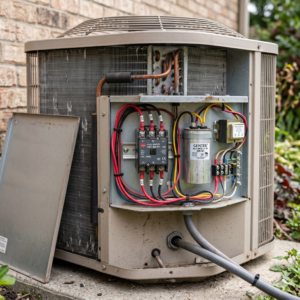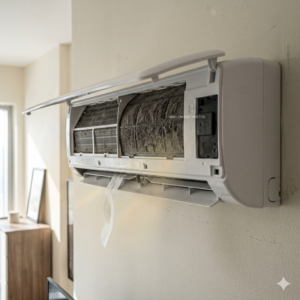





Understanding split ac installation requirements in Dubai is essential before installing a new unit. It is not just about placing an AC on the wall—there are legal approvals, technical checks, and proper installation steps that must be followed to ensure safety, performance, and compliance with UAE standards.
Table of Contents
ToggleDubai Legal Requirements for Split AC Installation
In Dubai, installing a split AC is not always a simple personal decision. Depending on your property type, you may need approvals before installation begins.
Building Management NOC (No Objection Certificate)
Most apartments and villas under community management require an NOC before installing or modifying AC systems.
- Mandatory for apartments and managed communities
- Ensures installation does not affect building structure
- Required before drilling, wiring, or outdoor unit placement
Without an NOC, you risk penalties or forced removal of the installation.
Dubai Municipality Regulations
Dubai Municipality sets general guidelines for safety, drainage, and external unit placement.
- Proper drainage must not leak into public areas
- Outdoor units must not create safety hazards
- Installations must follow electrical safety standards
These rules are designed to protect both occupants and surrounding properties.
Landlord vs Tenant Responsibility
If you are renting, you must clarify responsibility before installing a split AC.
- Tenants usually need landlord approval
- Permanent modifications may not be allowed without consent
- Ownership of the unit should be clearly defined
Always confirm agreements in writing to avoid disputes later.
Pre-Installation Technical Requirements
Correct AC Tonnage Selection
Choosing the right AC size is critical. An oversized or undersized unit can cause inefficiency and frequent breakdowns.
- Small room: 1.0 – 1.5 ton
- Medium room: 1.5 – 2.0 ton
- Large room: 2.0 ton or more
Factors like ceiling height, sunlight exposure, and insulation must also be considered.
Wall Strength and Structural Safety
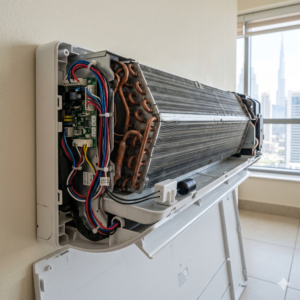
The indoor unit must be mounted on a solid wall capable of supporting its weight.
- Concrete or reinforced walls are ideal
- Gypsum walls require additional support
- Weak walls can cause vibration and long-term damage
Electrical Compatibility and Breaker Capacity
Each AC unit requires a dedicated power supply.
- Check breaker capacity before installation
- Avoid shared circuits with other appliances
- Ensure proper grounding for safety
Incorrect electrical setup can cause frequent trips or serious hazards.
Indoor Unit Placement Standards
Proper indoor placement ensures effective cooling and airflow.
- Install at least 2.1 – 2.4 meters above the floor
- Avoid direct airflow toward beds or seating areas
- Ensure at least 15–20 cm clearance from ceiling
Incorrect placement can lead to uneven cooling and discomfort.
Outdoor Unit Placement Requirements
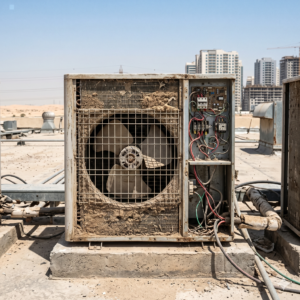
The outdoor unit must be installed in a well-ventilated and accessible area.
- Minimum 30 cm clearance around the unit
- Avoid enclosed or poorly ventilated spaces
- Install on stable brackets or base
Proper placement prevents overheating and improves system efficiency.
Copper Pipe Length and Installation Limits
The distance between indoor and outdoor units affects performance.
- Typical optimal length: 3 – 15 meters
- Longer pipes reduce cooling efficiency
- Proper insulation is required to prevent heat gain
Excessive pipe length can increase installation cost and reduce system effectiveness.
Step-by-Step Installation Essentials
Wall Drilling Angle
The wall hole must be drilled with a slight downward angle toward the outside.
- Prevents water from flowing back inside
- Ensures proper drainage
Mandatory Vacuuming Process
Vacuuming is one of the most critical steps.
- Removes air and moisture from pipes
- Prevents internal damage to compressor
- Often skipped in low-quality installations
Pipe Insulation for UAE Climate
Due to high temperatures, insulation is essential.
- Prevents heat transfer
- Improves cooling efficiency
- Reduces energy consumption
Sealing and Finishing
Proper sealing prevents air leaks and water damage.
- Seal wall openings properly
- Protect pipes from sunlight exposure
- Ensure clean finishing
Post-Installation Testing Procedures
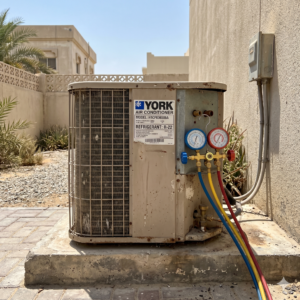
Refrigerant Pressure Check
Technicians must verify correct gas pressure levels after installation.
Drainage Testing
Water flow must be tested to ensure no leakage or blockage.
Electrical and Amperage Check
System should run within safe electrical limits.
- Check current draw
- Ensure stable power supply
These tests confirm that the system is operating safely and efficiently.
Split AC Installation Cost in Dubai
The cost of split AC installation in Dubai varies depending on complexity and materials.
| Service | Estimated Cost (AED) |
|---|---|
| Basic Installation | 300 – 600 |
| Installation with materials | 500 – 1,200 |
| Extended piping or complex setup | 1,000 – 2,500+ |
Note: These prices are slightly below average market rates and may vary depending on site conditions and system requirements.
Common Additional Charges
Some installations may include extra costs:
- Additional copper piping
- Wall core cutting
- Extra electrical work
- Drainage modification
Always confirm what is included in the initial quote.
Why Proper Installation Matters More Than Price
Improper installation is one of the most common causes of AC problems in the UAE.
- Reduced cooling efficiency
- Higher electricity consumption
- Frequent breakdowns
- Shortened system lifespan
Investing in correct installation prevents long-term issues.
Long-Term Performance Depends on Installation Quality
Even a high-quality AC unit can perform poorly if installed incorrectly. Proper installation ensures:
- Stable cooling performance
- Energy efficiency
- Reliable operation
If you are planning to install or replace a split AC system, it is important to approach it carefully rather than focusing only on cost. Incorrect installation can lead to airflow issues, water leakage, higher energy bills, and long-term system damage. Addressing these requirements properly from the beginning helps ensure safety, efficiency, and comfort. If you need guidance based on your specific setup, you can use the WhatsApp or Call button on the top right to connect with the Bio On Air team and understand the most suitable next step.
Conclusion
Split ac installation requirements in Dubai involve legal approvals, technical preparation, and precise installation steps. By understanding these requirements, you can avoid common mistakes, ensure compliance, and achieve long-term performance from your AC system.