




Understanding the good air quality index range is important if you live in Dubai or anywhere in the UAE. Air quality can change quickly due to dust, humidity, and urban activity. This guide explains what AQI numbers mean, which ranges are safe, and how you can protect your indoor air.
Table of Contents
ToggleWhat Is AQI and Why It Matters in the UAE
The Air Quality Index (AQI) is a standardized scale used to measure how clean or polluted the air is. It converts complex pollution data into a simple number so you can understand the health impact easily.
In the UAE, AQI is especially important because environmental conditions are unique:
- Frequent dust and sand particles
- High humidity levels
- Heavy traffic emissions
- Ongoing construction activity
This combination means air quality can change within hours, not days.
Good Air Quality Index Range Explained
A “good” AQI range means the air is clean and safe for everyone, including children, elderly individuals, and people with respiratory conditions.
| AQI Range | Category | Health Meaning |
|---|---|---|
| 0 – 50 | Good | Air is clean and safe for all |
| 51 – 100 | Moderate | Acceptable, but sensitive individuals may feel effects |
| 101 – 150 | Unhealthy for Sensitive Groups | Children, elderly, and asthma patients at risk |
| 151 – 200 | Unhealthy | General population may experience discomfort |
| 201 – 300 | Very Unhealthy | Serious health effects possible |
| 301+ | Hazardous | Emergency conditions |
In Dubai, a “good” AQI range is ideally between 0–50, but due to environmental conditions, moderate levels (up to 100) are quite common.
How UAE AQI Differs from Other Countries
While the AQI scale is globally recognized, the UAE environment changes how it is experienced.
In many countries, AQI below 50 is common. In Dubai:
- Dust particles often raise baseline AQI
- Humidity traps pollutants closer to ground level
- Urban heat intensifies pollution reactions
This means even “moderate” AQI in the UAE may feel heavier compared to other regions.
Understanding Moderate and Sensitive Levels
Moderate AQI (51–100)
This range is generally safe for most people. However, individuals with asthma or allergies may notice:
- Minor breathing discomfort
- Dry throat or irritation
- Fatigue after outdoor exposure
Unhealthy for Sensitive Groups (101–150)
This level requires caution for:
- Children
- Elderly individuals
- People with respiratory conditions
Symptoms may include coughing, chest tightness, or difficulty breathing.
Key Pollutants Measured in AQI
The AQI number is calculated using several pollutants that affect air quality.
PM2.5 (Fine Particles)
These are very small particles that can enter deep into the lungs. In Dubai, they often come from dust storms and vehicle emissions.
PM10 (Coarse Dust)
Larger particles usually from sand and construction activities. These are very common in the UAE.
Ozone (O3)
Formed by sunlight reacting with pollutants. High temperatures in the UAE can increase ozone levels.
Nitrogen Dioxide (NO2)
Mainly from traffic emissions. More noticeable in urban areas.
Each of these pollutants contributes to the final AQI value.
Why AQI Fluctuates in Dubai
1. Dust Storms
Dust storms can quickly push AQI into unhealthy levels within hours.
2. Humidity and Condensation
High humidity traps pollutants and reduces air movement, making air feel heavier.
3. Construction Activity
Ongoing development releases fine dust particles into the air.
4. Traffic Emissions
High vehicle usage increases pollution, especially during peak hours.
What AQI Means for Your Daily Life
| AQI Level | What You Should Do |
|---|---|
| 0–50 | Open windows, enjoy fresh air |
| 51–100 | Limit long outdoor exposure if sensitive |
| 101–150 | Keep windows closed, reduce outdoor activity |
| 151+ | Stay indoors, use air filtration |
When to Open or Close Windows in UAE
Opening windows can improve ventilation, but timing is critical.
- Open windows: early morning or low AQI days
- Close windows: during dust storms or high humidity
- Avoid opening windows during peak traffic hours
In many UAE homes, sealed environments are common to maintain cooling efficiency.
Indoor Air Quality Is Often More Important
Even if outdoor AQI is moderate, indoor air can become worse if not managed properly.
Common indoor air issues:
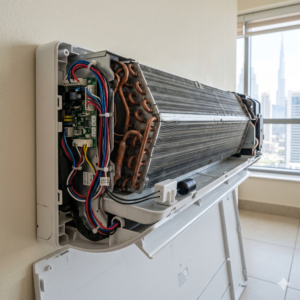
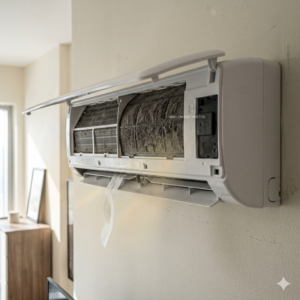
- Dust accumulation in AC ducts
- Humidity buildup
- Poor ventilation
This is why services like AC duct cleaning play an important role in maintaining healthy indoor air.
How to Improve Indoor Air Quality
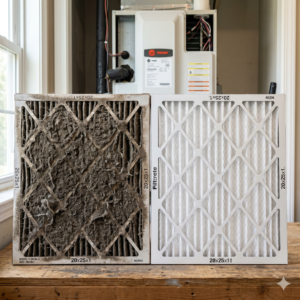
- Clean AC filters regularly
- Schedule periodic duct cleaning
- Use air purifiers with HEPA filters
- Control indoor humidity levels
These steps help reduce exposure to pollutants inside your home.
How to Monitor Real-Time AQI in UAE
You can track AQI using:
- Weather apps with AQI data
- Government environmental platforms
- Air quality monitoring apps
Checking AQI daily helps you make better decisions about ventilation and outdoor activities.
Long-Term Health Impact of Poor AQI
Continuous exposure to poor air quality can lead to:
- Respiratory problems
- Allergies and asthma
- Fatigue and headaches
- Reduced overall well-being
This is why understanding AQI is not just informative—it is essential for health.
Think Beyond Outdoor Air
Many people focus only on outdoor AQI, but indoor air quality often has a bigger impact because you spend most of your time indoors.
If you are noticing dust buildup, odors, or breathing discomfort at home, it may not be just outdoor air. Internal airflow systems, humidity, and hidden contaminants can affect your environment more than expected. These issues can reduce air quality, increase health risks, and impact AC efficiency over time. Addressing them early helps maintain a cleaner and more comfortable living space. If you need clarity about your indoor air condition, you can use the WhatsApp or Call button on the top right to connect with the Bio On Air team and understand the most suitable next step.
Conclusion
The good air quality index range is typically between 0–50, but in the UAE, moderate levels are common due to environmental factors. By understanding AQI ranges and managing indoor air properly, you can maintain a healthier and more comfortable living environment.