




air quality effects on health in Dubai are often underestimated, especially because many people spend most of their time indoors. However, both outdoor pollution and indoor air conditions can directly affect your breathing, energy levels, and long-term health. This guide explains the real risks, key pollutants, and how you can protect yourself effectively.
Table of Contents
ToggleImmediate Health Effects of Poor Air Quality
Poor air quality does not always show dramatic symptoms at first. In many cases, the effects are subtle but consistent. Over time, these small exposures can build into serious health problems.
Respiratory Effects
The most common impact of poor air quality is on the respiratory system. When you inhale polluted air, tiny particles enter your lungs and irritate the airways.
- Frequent coughing or throat irritation
- Shortness of breath
- Worsening asthma symptoms
- Chest tightness
In Dubai, fine dust particles and indoor contaminants can stay suspended in the air, making it easy to inhale them without noticing.
Cardiovascular Effects
Air pollution does not only affect the lungs. It also impacts the heart and blood vessels.
- Increased heart rate
- Higher blood pressure
- Increased risk of heart disease over time
Fine particles (PM2.5) can enter the bloodstream, which is why long-term exposure is linked to cardiovascular conditions.
Neurological and General Symptoms
Many people do not connect air quality with neurological symptoms, but the link is well established.
- Headaches
- Fatigue
- Difficulty concentrating
- Sleep disturbances
These symptoms are often dismissed as stress, but poor indoor air quality can be a hidden contributor.
Main Air Pollutants in Dubai
Dubai has a unique mix of outdoor and indoor pollution sources. Understanding them helps you manage exposure better.
Outdoor Pollutants
- Particulate Matter (PM10 & PM2.5) from dust and sand
- Traffic emissions including nitrogen dioxide (NO2)
- Ground-level ozone formed by sunlight and pollutants
These pollutants are influenced by weather conditions, traffic density, and urban activity.
Indoor Pollutants
Indoor air is often assumed to be clean, but in Dubai, it can be more concentrated than outdoor air.
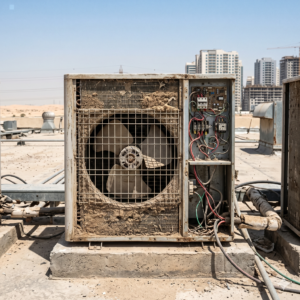
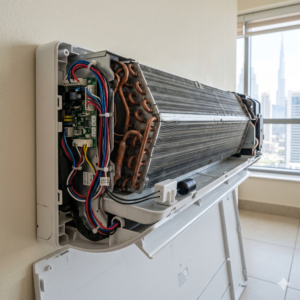
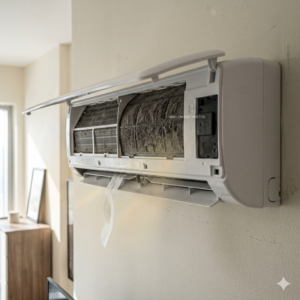
- Dust accumulation inside AC systems
- Mold growth in ducts and vents
- Incense (bakhoor) and smoke particles
- Cleaning chemicals and fragrances
Without proper ventilation, these pollutants remain trapped and recirculate continuously.
Why Indoor Air Can Be Worse Than Outdoor Air
In Dubai, most buildings are sealed to maintain cooling efficiency. While this helps reduce heat, it also limits fresh air exchange.
As a result:
- Air is recirculated through HVAC systems
- Dust and pollutants accumulate over time
- Moisture can lead to mold growth
This is why indoor air quality depends heavily on AC system condition and maintenance.
Proper HVAC hygiene, including services like AC deep cleaning, plays a key role in reducing indoor contamination and improving air quality.
Vulnerable Groups in Dubai
Not everyone is affected equally by air quality. Some groups are more sensitive and require extra attention.
Children
Children breathe faster than adults and spend more time indoors. Their lungs are still developing, making them more vulnerable.
Elderly Residents
Older adults often have pre-existing health conditions, making them more sensitive to polluted air.
Outdoor Workers
Construction workers, delivery personnel, and others exposed to outdoor air face higher risk due to prolonged exposure.
Understanding UAE Air Quality Index (AQI)
The UAE uses the Air Quality Index (AQI) to measure pollution levels. This index helps you understand when air quality becomes unhealthy.
| AQI Range | Level | Health Impact |
|---|---|---|
| 0–50 | Good | Minimal impact |
| 51–100 | Moderate | Sensitive individuals may feel effects |
| 101–150 | Unhealthy for sensitive groups | Symptoms may appear |
| 151+ | Unhealthy | Health effects likely for everyone |
Monitoring AQI helps you decide when to limit outdoor activity or improve indoor protection.
When Should You Take Action
You should take preventive measures when:
- AQI rises above 100
- You notice symptoms indoors
- There is visible dust or musty smell
These are signs that air quality may be affecting your health.
How HVAC Systems Affect Air Quality
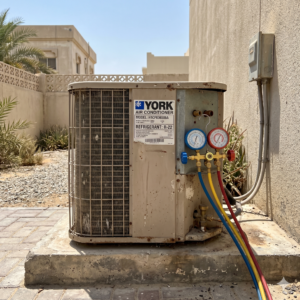
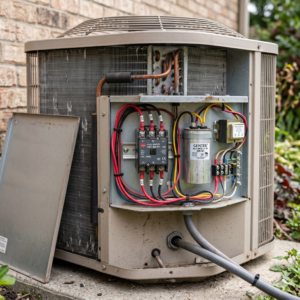
Your AC system plays a major role in indoor air quality. In Dubai, AC runs almost continuously, meaning any contamination inside the system is circulated repeatedly.
Common HVAC-related issues:
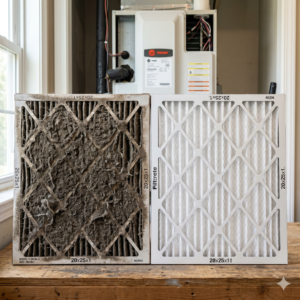
- Dirty filters reducing air quality
- Dust buildup inside ducts
- Mold growth in damp areas
Without proper maintenance, the AC system becomes a source of pollution rather than protection.
Practical Ways to Improve Indoor Air Quality
1. Regular AC Maintenance
Routine servicing helps remove dust and prevents buildup.
2. Replace or Clean Filters
Filters should be cleaned or replaced regularly to maintain airflow quality.
3. Control Humidity
Managing moisture reduces the risk of mold growth.
4. Reduce Indoor Pollutants
- Limit incense burning
- Use mild cleaning products
- Avoid excessive fragrance use
5. Ensure Proper Ventilation
Allowing controlled fresh air exchange helps reduce pollutant concentration.
UAE Air Quality Initiatives
The UAE government actively monitors and improves air quality through various initiatives.
- Nationwide AQI monitoring systems
- Emission regulations for vehicles
- Urban planning to reduce pollution
- Public awareness campaigns
These efforts aim to improve both outdoor and indoor air environments.
Long-Term Health Risks of Poor Air Quality
Long-term exposure to poor air quality can lead to:
- Chronic respiratory diseases
- Cardiovascular conditions
- Reduced lung function
- Increased sensitivity to allergens
These risks highlight the importance of early prevention.
Why Indoor Air Quality Should Be a Priority
Since most people in Dubai spend a large portion of their time indoors, indoor air quality often has a greater impact than outdoor pollution.
Improving indoor conditions can significantly reduce overall exposure and health risks.
If you are experiencing symptoms like persistent coughing, fatigue, or unusual smells from your AC, it may be a sign that your indoor air quality needs attention. Poor air quality can quietly affect your health, increase discomfort, and strain your AC system over time. Addressing these issues early helps maintain both comfort and long-term system performance. If you need clarity about your indoor air condition or HVAC system, you can use the WhatsApp or Call button on the top right to connect with the Bio On Air team and understand the most suitable next step.
Conclusion
The air quality effects on health in Dubai are real and often underestimated. By understanding the risks, identifying pollutants, and improving indoor air conditions, you can protect your health and maintain a safer living environment.