




An ac unit split system is one of the most common and practical cooling solutions for homes and apartments today, especially in warm climates like the UAE. Yet many people feel confused about what it actually means, how it differs from window units or central air, and whether it is the right choice for their space. This guide explains the split system in simple visual logic, compares it with other options, clarifies inverter technology, explores cost and maintenance realities, and helps you decide based on your lifestyle and property needs.
Table of Contents
ToggleWhat Is an AC Unit Split System? Simple Visual Logic
The easiest way to understand an ac unit split system is to picture it as a two-part setup that works together.
Part 1: Indoor Unit
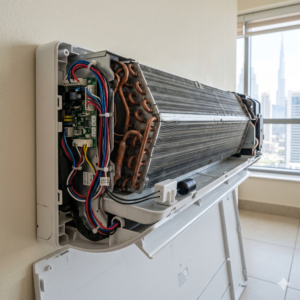
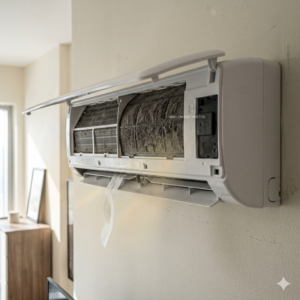
This is the unit you see mounted on the wall (or ceiling, depending on design). It blows cool air into the room. It contains the evaporator coil and a fan that distributes conditioned air.
Part 2: Outdoor Unit
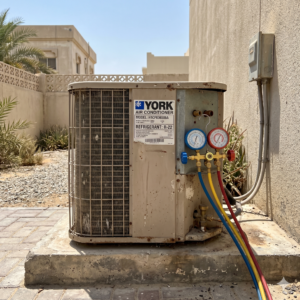
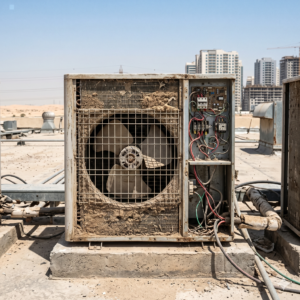
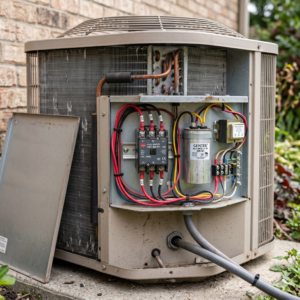
This unit sits outside the building. It contains the compressor and condenser coil. Its job is to release heat taken from inside your room.
These two units are connected by refrigerant pipes and electrical wiring. The indoor unit absorbs heat from the room, sends it to the outdoor unit, and the outdoor unit releases that heat outside. That is the “split” — cooling work is divided between inside and outside.
This design is cleaner, quieter, and more efficient than having everything in one box like a window unit.
Ductless Mini-Split vs Central Split System With Ducts
The biggest confusion around an ac unit split system is the difference between a ductless mini-split and a central split system.
Ductless Mini-Split
- No air ducts inside walls or ceilings
- Each indoor unit cools a specific room or zone
- Flexible installation
- Ideal for apartments, villas, extensions, or retrofits
Each room can have its own indoor unit connected to one outdoor unit. This allows zoning — meaning you can cool only the rooms you use.
Central Split System With Ducts
- Uses ductwork hidden in ceilings or walls
- One central indoor unit distributes air to multiple rooms
- More common in larger villas or commercial spaces
The cooling principle is the same (indoor + outdoor units), but air travels through ducts instead of directly from wall-mounted units.
If your property already has ducting, a central split system may be practical. If not, ductless systems avoid major renovation.
Lifestyle Advantages of a Split System
Why do many people prefer an ac unit split system over window or portable units?
Quieter Operation
In a split system, the compressor — the loudest component — sits outside. This makes indoor operation significantly quieter compared to window units where everything is in one box.
Better Aesthetics
Modern indoor units are sleek and wall-mounted. No large metal box blocking your window.
Energy Efficiency
Split systems typically use more advanced compressor technology and better airflow design, which improves efficiency.
Flexible Cooling
With ductless systems, you cool only the rooms you use. This prevents wasting energy on empty spaces.
Split System vs Window Unit vs Portable vs Central Air
Choosing the right system depends on your situation. Here is a simplified comparison:
| Feature | Split System | Window / Portable | Central Air |
|---|---|---|---|
| Energy Efficiency | High (especially inverter models) | Lower | High for whole-home use |
| Installation Complexity | Moderate (professional install) | Low (plug and play) | High (ductwork required) |
| Noise Level | Quiet indoors | Noisy | Quiet if properly designed |
| Best For | Specific rooms, apartments, extensions | Temporary cooling | Large homes with ducts |
| Renovation Impact | Minimal (ductless) | None | Major if no ducts exist |
If you want targeted cooling, lower indoor noise, and flexibility without major renovation, a split system often becomes the practical choice.
Inverter vs Non-Inverter: Simple Explanation
Another common question about an ac unit split system is inverter technology.
Non-Inverter
The compressor works like a light switch — full power or off. When the room reaches the set temperature, it shuts off. When temperature rises again, it restarts at full power.
Inverter
The compressor adjusts speed gradually instead of turning fully off. It maintains temperature more smoothly without constant stop-and-start cycles.
What This Means for You
- Smoother temperature control
- Less sudden noise from restarting
- More stable energy usage
- Reduced long-term strain on components
Over time, inverter systems generally lead to better energy management and lower operating costs, especially in climates where AC runs for many hours daily.
Cost Considerations Beyond Just the Unit
When evaluating an ac unit split system, cost is not only about the unit price. Several factors influence total investment.
Upfront Investment
Split systems typically cost more than window or portable units. However, they offer better efficiency and durability.
Installation Requirements
Professional installation is required. This includes mounting, refrigerant piping, drainage setup, and electrical connection. Improper installation can cause long-term problems.
Zoning Benefits
With ductless mini-splits, you can cool specific rooms only. This can reduce unnecessary energy use compared to cooling an entire property.
Rebates or Incentives
Depending on region and energy regulations, certain energy-efficient systems may qualify for incentives or rebates. It is always worth checking local programs.
For exact pricing tailored to your situation — whether single-room installation, multi-split setup, or system upgrade — it is best to request a direct quote rather than relying on general estimates. Pricing depends on capacity, installation complexity, and layout conditions.
Maintenance and Expected Lifespan
Like any mechanical system, an ac unit split system requires care.
Filter Cleaning
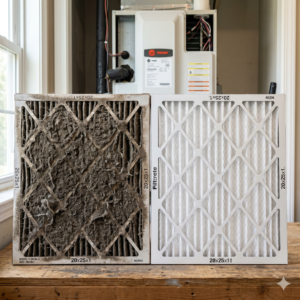
Filters should be cleaned or replaced regularly. Dirty filters reduce airflow and increase energy use.
Professional Servicing
Annual or seasonal servicing helps maintain coil cleanliness, refrigerant levels, drainage flow, and electrical safety.
Expected Lifespan
With proper maintenance, split systems commonly last many years. Lifespan depends on usage intensity, environment, and servicing frequency.
Risks of Improper DIY Installation
- Incorrect refrigerant charging
- Poor drainage causing water damage
- Electrical safety hazards
- Reduced efficiency and shortened lifespan
Improper installation often leads to long-term inefficiency or repeated repair costs.
Real-Life Use Cases Where Split Systems Shine
Fixing One Hot Room
If one bedroom or office consistently feels warmer, a ductless mini-split can solve the issue without modifying the entire home system.
Cooling Garages or Extensions
Garages, workshops, or new extensions often lack ducting. Split systems provide flexible cooling without renovation.
Upgrading Apartments
In apartments where window units are noisy and inefficient, replacing them with split systems improves comfort and aesthetics.
Preserving Historic Homes
Older buildings without ductwork benefit from ductless systems because installation does not require major structural changes.
Year-Round Comfort With Heat Pump Versions
Many split systems function as heat pumps, meaning they provide both cooling and heating. This allows year-round climate control with one system.
When Professional Guidance Makes a Difference
Choosing the right system size, installation layout, and inverter type requires experience. Oversizing or undersizing can reduce comfort and efficiency.
Bio On Air supports proper selection, installation, and servicing of split systems to ensure safe setup and long-term performance. Acting early prevents energy waste, avoids future component stress, and ensures your indoor comfort remains stable. You can use the WhatsApp or Call button at the top right of this page to discuss your space and cooling needs directly with our team.
Conclusion
An ac unit split system offers a balanced solution between efficiency, comfort, flexibility, and aesthetics. Understanding the two-part setup, clarifying ductless versus central systems, comparing alternatives, and knowing how inverter technology works helps you make a confident decision. When installed and maintained correctly, a split system can provide quiet, efficient, and targeted cooling for years, adapting to modern lifestyles and different property types.