




The term ac cleaning chemical is often searched when cooling performance drops, unpleasant smells appear, or coils look dirty. But choosing and using the wrong chemical can damage aluminum fins, reduce efficiency, or create indoor air risks. This guide explains how to categorize AC cleaning chemicals, compare types, apply them safely, and avoid costly mistakes.
Table of Contents
ToggleUnderstanding AC Cleaning Chemical by Application Area
Not all AC cleaning chemicals are the same. They are designed for specific parts of the system. Using a condenser cleaner on an evaporator coil, or spraying a harsh chemical into indoor ducts without proper ventilation, can create more harm than benefit.
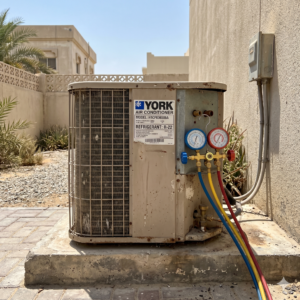
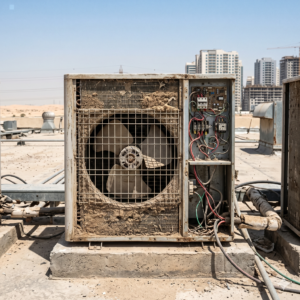
Condenser Coil Cleaners (Outdoor Units)
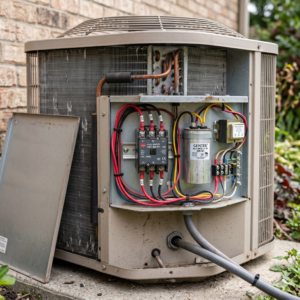
Condenser coils are exposed to dust, sand, grease, and outdoor pollutants. They typically require stronger degreasing action. Most condenser cleaners are alkaline-based and designed to break down oily buildup and grime.
Best use case: Outdoor coils with visible dirt or heavy buildup.
Cleaning strength: Medium to high.
Risk level: Moderate if over-applied or not rinsed properly.
These products usually require rinsing after dwell time. Improper rinsing can leave residue that attracts more dirt.
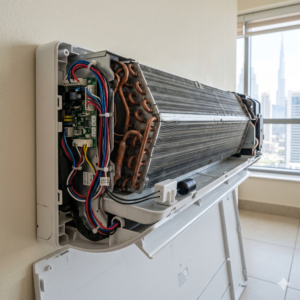
Evaporator Self-Rinse Formulas (Indoor Units)
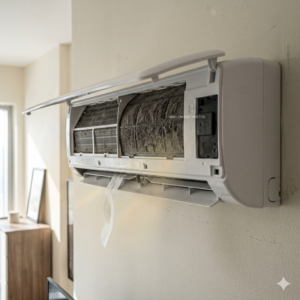
Evaporator coils inside indoor units operate in more delicate environments. Many self-rinse formulas are designed to foam and then drain away with condensation water.
Best use case: Light to moderate indoor coil cleaning.
Cleaning strength: Low to medium.
Risk level: Low when used correctly.
These are commonly no-rinse types and are safer for aluminum fins, but still require careful application to avoid oversaturation.
Rinse-Required vs No-Rinse Types
Rinse-required chemicals are typically stronger and must be washed away with water after dwell time. They are effective for heavy contamination but carry higher risk if not flushed properly.
No-rinse chemicals are designed for convenience and indoor use. They rely on condensation to remove residue. However, their cleaning strength is limited compared to rinse-required products.
Disinfectants for Drain Pans and Ducts
Drain pans and ducts may require antimicrobial or enzymatic disinfectants to reduce odor and microbial growth. These chemicals are usually lower in corrosiveness but must be labeled for HVAC use.
Best use case: Odor control, mold prevention, moisture areas.
Cleaning strength: Targeted antimicrobial action.
Risk level: Low to moderate depending on formulation.
Chemical Composition Differences and Their Purpose
Alkaline Cleaners
Alkaline-based chemicals are strong degreasers. They are commonly used for condenser coils with heavy dirt and oil buildup.
Effectiveness: High for grease and grime.
Corrosion risk: Moderate to high if concentration is too strong or rinsing is incomplete.
Use caution: Avoid prolonged contact with aluminum fins.
Acidic Cleaners
Acid-based cleaners are used for mineral deposits and scale. They are less common in routine AC cleaning and require strict dilution control.
Effectiveness: Good for scale removal.
Corrosion risk: High if misused.
Not recommended for regular aluminum fin cleaning.
Enzymatic Cleaners
Enzymatic formulas use biological agents to break down organic material like mold or biofilm.
Effectiveness: Moderate but safer for indoor use.
Corrosion risk: Low.
Best for: Drain pans, odor control.
Tablet-Based Solutions
Drain line tablets dissolve slowly and help prevent clogging and odor buildup.
Effectiveness: Preventive rather than heavy-duty cleaning.
Corrosion risk: Low when used as directed.
Risks of Using the Wrong Chemical on Aluminum Fins
Aluminum fins are thin and sensitive. Using highly acidic or overly concentrated alkaline solutions can cause:
- Fin corrosion
- Reduced heat exchange efficiency
- Permanent coil damage
- Shortened system lifespan
Once fins are damaged, cooling efficiency drops permanently. This increases energy consumption and may eventually require costly coil replacement.
Safety Considerations When Using AC Cleaning Chemical
Fumes and VOC Exposure
Some chemicals release fumes that may irritate eyes, skin, or lungs. Indoor application requires good ventilation.
Breathability in Indoor Spaces
Indoor evaporator cleaning should prioritize low-VOC, HVAC-approved products. Strong industrial cleaners are not suitable for confined residential spaces.
Pet and Plant Safety
Pets are sensitive to chemical exposure. Remove pets from treated areas until surfaces are dry and ventilated.
Runoff Impact
Outdoor rinsing should avoid contaminating soil or drainage systems with concentrated chemical runoff.
Protective Equipment
Minimum safety gear includes gloves and eye protection. For stronger chemicals, masks or respirators may be required.
Storage Precautions
Store chemicals in cool, ventilated areas away from children and direct sunlight. Never mix different chemical types.
Commercial AC Cleaning Chemicals vs Homemade Alternatives
Soap and Water
Soap can remove light dust but lacks degreasing strength for heavy coil buildup. It may also leave residue if not rinsed thoroughly.
Vinegar
Vinegar is mildly acidic and can help with minor mineral buildup in drain lines. However, it is not effective for grease-heavy condenser cleaning and may corrode sensitive metals if overused.
Why Bleach Should Be Avoided
Bleach is corrosive and can damage aluminum fins, wiring insulation, and metal surfaces. It also produces strong fumes unsuitable for indoor AC systems.
Commercial HVAC-approved products are formulated specifically for aluminum compatibility and airflow safety, which household chemicals are not.
Step-by-Step Application Flow for Safe Cleaning
1. Preparation
Gather protective gear, approved chemical, soft brush, and water source.
2. Power Shutoff
Always disconnect electrical power before cleaning.
3. Debris Removal
Remove visible dust and debris before applying chemical.
4. Chemical Application
Apply evenly without oversaturating fins.
5. Dwell Time
Allow product to sit according to label instructions.
6. Rinsing (If Required)
Rinse gently to avoid bending fins. Avoid high-pressure sprays.
7. Final Check
Inspect for residue and ensure components are dry before restoring power.
Quick Comparison Overview
| Chemical Type | Best Use | Cleaning Strength | Risk Level |
|---|---|---|---|
| Alkaline | Outdoor condenser coils | High | Moderate |
| Acidic | Scale removal | High | High |
| Enzymatic | Drain pans | Moderate | Low |
| No-rinse foam | Indoor evaporator | Medium | Low |
Maintenance Frequency Guidance
For residential units:
- Light cleaning every 6 months
- Deeper cleaning annually
For commercial or high-dust environments:
- Quarterly inspections
- Seasonal coil cleaning
Purchasing Considerations
- Read compatibility labels carefully.
- Check if product is safe for aluminum fins.
- Review safety certifications and HVAC approval.
- Consider overall cost based on cleaning strength and safety level rather than choosing the cheapest option.
When Professional Handling Is Safer
Using the wrong ac cleaning chemical can reduce efficiency, damage coils, and create indoor air risks. If you are unsure about chemical compatibility or proper application, professional handling reduces corrosion risk and ensures safe cleaning without compromising system lifespan. You can reach our team using the WhatsApp or Call button at the top right to discuss your AC condition and determine whether professional cleaning is the safer option.
Conclusion
Choosing the correct ac cleaning chemical depends on application area, composition, safety, and maintenance goals. Understanding chemical types, risks, and proper procedures helps protect aluminum fins, indoor air quality, and overall system efficiency. When in doubt, careful selection or professional guidance can prevent costly damage and extend your AC’s performance life.