AC cleaning is one of the most overlooked yet essential parts of maintaining comfort, indoor air quality, and energy efficiency in the UAE. Many homeowners only think about cleaning when cooling performance drops, strange smells appear, or electricity bills increase. The real challenge is knowing what you can safely clean yourself, what requires professional handling, and how to prevent small issues from turning into expensive repairs. This guide explains the full decision boundary between DIY and professional AC cleaning, the risks of improper handling, and how regular cleaning protects both your comfort and long-term costs.
Table of Contents
ToggleUnderstanding the DIY vs Professional Decision Boundary
One of the biggest questions homeowners face is: “Can I clean my AC myself, or should I call a technician?” The answer depends on which part of the system you are cleaning and how deep the cleaning needs to go.
AC systems have multiple components:
- Air filters
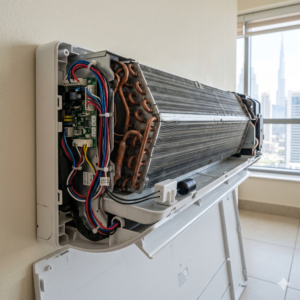
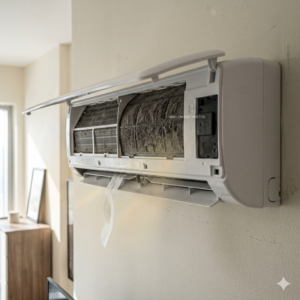
- Indoor evaporator coils
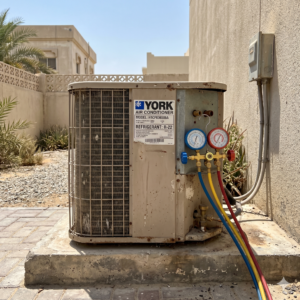
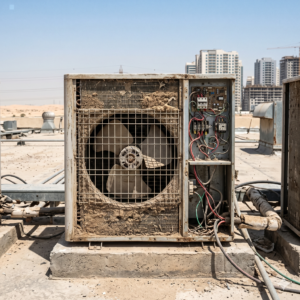
- Outdoor condenser coils
- Condensate drain line
- Blower fan assembly
- Ductwork and vents
Some of these parts are safe for homeowners to handle with basic care. Others require training and proper tools to avoid damage.
What Homeowners Can Safely Clean
- Air filters (cleaning or replacing)
- Light wiping of supply and return vents
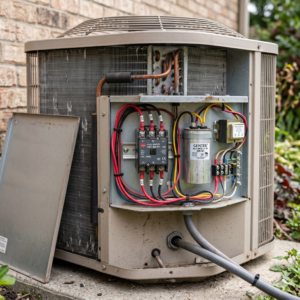
- Gentle rinsing of the outdoor condenser (low-pressure water only)
- Basic drain line maintenance using safe methods
What Should Be Handled by Professionals
- Deep evaporator coil cleaning
- Blower motor disassembly and cleaning
- Refrigerant-related components
- Electrical control board areas
- Duct interior sanitation
Understanding this boundary prevents one of the most common problems: accidental damage during cleaning.
Risks of Improper AC Cleaning
Improper cleaning may seem harmless, but it can lead to serious performance and cost issues.
Bent Fins and Restricted Airflow
Using high-pressure water or stiff tools on coils can bend delicate aluminum fins. Once bent, airflow becomes restricted, reducing heat exchange efficiency. The AC may run longer to achieve the same cooling result.
Refrigerant Line Damage
Accidental pressure on refrigerant lines during cleaning can cause leaks. Refrigerant issues not only reduce cooling but may lead to expensive repairs if not addressed early.
Electrical Short Risk
Cleaning without shutting off power increases the risk of electrical short circuits, especially in indoor units.
Reduced Efficiency and Higher Bills
If coils remain partially dirty or airflow becomes restricted due to incorrect cleaning, your AC consumes more energy. Over time, this increases operating costs significantly.
Improper cleaning often leads homeowners to call for repair anyway, which defeats the purpose of DIY savings.
Step-by-Step Safe AC Cleaning Routine for Homeowners
Step 1: Shut Off Power Completely
Before any cleaning begins, turn off the thermostat and switch off the breaker connected to the AC system. This prevents electrical risk and protects internal components.
Step 2: Outdoor Condenser Rinsing
Remove visible debris such as leaves and dust around the condenser unit.
Use a regular garden hose with low pressure. Never use a high-pressure washer. Spray gently from top to bottom to remove surface dirt. Avoid forcing water directly into electrical panels.
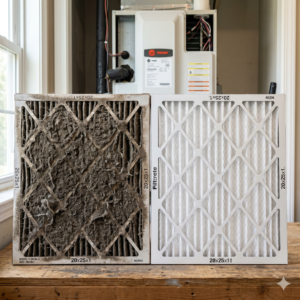
Step 3: Indoor Filter Cleaning or Replacement
Filters should be checked every one to two months.
- If washable, rinse gently with lukewarm water and allow full drying before reinstalling.
- If disposable, replace according to manufacturer recommendation.
Dirty filters are one of the most common causes of weak airflow and rising electricity bills.
Step 4: Condensate Drain Maintenance
Clogged drain lines can cause water leakage. A safe method involves:
- Locating the drain outlet
- Using a mild vinegar solution to help break down buildup
- Ensuring water flows freely afterward
Avoid inserting sharp objects that may damage the pipe.
Step 5: Vent and Grille Cleaning
Use a microfiber cloth to wipe vents. Vacuum around openings to remove loose dust. Avoid pushing dust further inside the duct.
Hidden Warning Signs You Need Deeper Cleaning
Not all problems are visible. Some signs indicate the need for professional deep cleaning rather than basic DIY maintenance.
- Ice buildup on coils or refrigerant lines
- Weak airflow despite clean filters
- Unusual or musty odors when AC starts
- Rising electricity bills without increased usage
- Frequent on-and-off cycling
These symptoms often point to internal contamination or airflow obstruction that requires deeper inspection.
Seasonal AC Cleaning Checklist
Spring
- Clean or replace filters
- Inspect outdoor unit for winter debris
- Test cooling before peak season
Summer
- Check airflow consistency
- Monitor for unusual noise
- Keep outdoor area clear for ventilation
Autumn
- Inspect insulation around refrigerant lines
- Check drain lines for clogs
- Clean vents and registers
Winter
- Protect outdoor unit from excessive debris
- Schedule deeper inspection if needed
- Prepare for next high-usage cycle
Seasonal attention prevents corrosion, airflow restriction, and insulation breakdown.
Essential Tools and Supplies for Basic AC Cleaning
- Soft brush
- Microfiber cloth
- Garden hose (low pressure)
- Coil-safe cleaning solution
- Drain clearing tool (non-sharp)
- Protective gloves and eyewear
Using proper tools reduces the risk of damage and ensures safer cleaning.
When to Expect Routine Cleaning vs Deep Service
Routine cleaning usually covers filter care, light coil cleaning, and airflow inspection. Deeper service involves internal coil cleaning, blower disassembly, and sanitation processes.
The price discussion typically depends on the depth of cleaning required and system condition. Routine cleaning is generally more affordable, while deep cleaning requires more time and specialized handling. The key is inspection first, so the scope is clear before any cost discussion.
The Simple Savings Logic Behind Regular AC Cleaning
Regular AC cleaning is not only about hygiene. It directly affects efficiency and cost.
- Cleaner coils transfer heat more efficiently.
- Clear airflow reduces strain on the compressor.
- Unclogged drains prevent water damage.
- Stable performance reduces emergency repair calls.
Over time, these small efficiency gains lower operating costs and extend equipment lifespan. Instead of paying for emergency repairs, consistent cleaning keeps performance predictable.
When AC Cleaning Should Be Handled Professionally
While basic maintenance can be safely done at home, deeper cleaning and airflow issues require trained handling. Improper cleaning can lead to bent fins, restricted airflow, refrigerant damage, and long-term efficiency loss. Bio On Air supports proper AC cleaning through safe inspection and appropriate cleaning depth based on your system condition. Addressing cleaning early helps prevent odor, mold risk, performance drop, and rising electricity costs. You can use the WhatsApp or Call button at the top right of this page to discuss your AC cleaning needs with our team and determine the safest next step.
Conclusion
AC cleaning is one of the most cost-effective ways to protect your comfort, air quality, and long-term system health. Understanding the difference between safe DIY steps and professional-level cleaning helps prevent accidental damage and repeated issues. With seasonal care, proper tools, and timely expert support when needed, your AC system can remain efficient, reliable, and clean throughout the year.