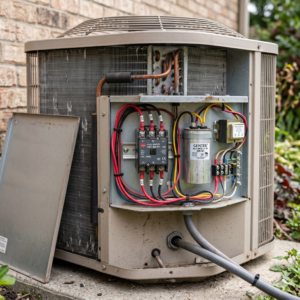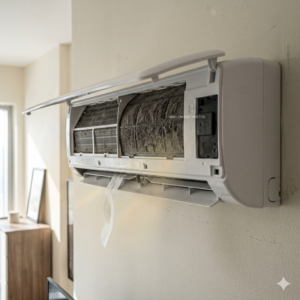





Deciding to change AC unit is rarely a simple yes-or-no choice. Most people reach this point after months of discomfort, repeated repairs, rising electricity bills, or uncertainty about whether fixing the system again still makes sense. In hot climates like the UAE, an AC unit is not a luxury—it directly affects daily comfort, health, productivity, and indoor air quality. This guide is written to help you think clearly and practically before replacing your AC, so you can understand when replacement is the smarter decision, what really drives cost, how to choose the right system, and how to avoid common mistakes that make replacement more expensive or disruptive than it needs to be.
Table of Contents
ToggleWhen Changing an AC Unit Makes More Sense Than Repair
One of the biggest pain points for homeowners and tenants is uncertainty. You may ask yourself: should I repair again, or is it finally time to change the AC unit? The answer depends on several indicators working together, not a single factor.
System age is the first signal. Most residential AC units are designed to operate efficiently for a limited lifespan. As systems age, internal components wear down, seals weaken, and efficiency drops even if the unit still runs. An older system can appear functional while quietly consuming more electricity and delivering weaker performance.
Repair frequency is another strong indicator. If your AC needs attention every few months—gas refills, electrical fixes, fan issues, or repeated water leakage—each repair may solve only one symptom while the overall system condition continues to decline. At a certain point, repeated repairs stop being maintenance and become a temporary patch.
Efficiency decline is often noticed through rising electricity bills and longer cooling cycles. An AC that runs constantly to maintain temperature puts stress on components and increases energy costs. Even if repair restores cooling temporarily, efficiency may never return to acceptable levels.
Refrigerant phase-out risk is another practical consideration. Older systems may use refrigerants that are being phased out or restricted. This can make future repairs more difficult, more expensive, or less sustainable. In such cases, changing the AC unit may protect you from ongoing availability and compliance issues.
When several of these signs appear together, replacement is often the more predictable and cost-controlled option compared to ongoing repair.
Understanding Replacement Cost Without Fixating on Exact Numbers
Cost is usually the biggest concern when planning to change an AC unit. While it is tempting to look for a single price, replacement cost depends on many variables. Understanding what drives the cost helps you estimate realistically without being misled by oversimplified figures.
System type plays a major role. Central AC systems, ducted systems, split units, and heat pump configurations all have different equipment and installation requirements. The complexity of the system directly affects labor, materials, and installation time.
Capacity and sizing influence cost as well. Larger spaces or properties with higher cooling demand require systems designed to handle that load. Oversized or undersized systems can cause comfort issues, humidity imbalance, and wasted energy, so correct sizing is essential.
Efficiency level also affects price. Higher-efficiency systems often have higher upfront cost but lower operating cost over time. The key is not choosing the highest efficiency blindly, but selecting the level that matches your usage pattern and budget.
Installation conditions often determine hidden costs. Replacing a unit in a property with existing, well-maintained infrastructure is simpler than installing a system where ducts, electrical supply, or refrigerant lines need upgrading.
Rather than asking “how much does it cost,” a more useful question is “what factors apply to my property?” This mindset leads to more accurate expectations and fewer surprises.
How Energy Savings Can Offset Replacement Cost Over Time
Another common concern is whether changing an AC unit is financially worthwhile. While replacement involves upfront expense, long-term operating savings can significantly offset this cost.
Newer AC systems are designed to deliver more cooling output with less energy input. This means:
- Shorter run times to reach target temperature
- More stable indoor temperature
- Lower electricity consumption during peak usage
In practice, this often translates into noticeable reductions in monthly energy bills, especially during long summer periods. Over time, these savings help recover part of the initial investment.
Beyond direct energy savings, there are indirect benefits. Reduced strain on components means fewer breakdowns, lower repair frequency, and more predictable maintenance. This stability has value, especially in commercial or rental properties where downtime causes disruption.
Choosing the Right System Beyond Brand Names
Many people approach AC replacement by comparing brands. While brand reputation matters, system design and suitability matter more.
Central AC versus heat pump systems is a key decision. Central AC systems are common for larger properties with ducted distribution, while heat pumps can provide both cooling and heating in a single system, depending on climate and application.
Efficiency tiers determine how effectively the system converts energy into cooling. Entry-level systems may have lower upfront cost but higher long-term energy use, while higher-tier systems balance performance and efficiency.
Operating stages also affect comfort. Single-stage systems operate at full power or not at all, while multi-stage or variable-speed systems adjust output gradually. This can improve temperature stability, reduce humidity issues, and lower noise levels.
Correct sizing is critical. An oversized unit cools too quickly, leading to short cycles and poor humidity control. An undersized unit runs constantly and struggles to maintain comfort. Proper load calculation ensures balanced performance.
Choosing the right system is less about selecting the most popular model and more about matching the system to your space and usage.
Installation Complexity and Hidden Cost Factors
Replacing an AC unit is not just about swapping equipment. Installation conditions can significantly influence both cost and outcome.
Duct condition is a major factor. Old or poorly sealed ducts reduce efficiency and airflow. Replacing the AC without addressing duct issues can limit the benefits of the new system.
Electrical readiness matters as well. Newer systems may require updated electrical capacity, breakers, or wiring. Ensuring compatibility avoids safety risks and future faults.
Refrigerant line condition is another consideration. Existing line sets may need cleaning, resizing, or replacement to match the new system specifications.
Airflow balance affects comfort across rooms. During replacement, airflow adjustments may be necessary to ensure even cooling.
Permits and approvals can also apply depending on property type. Proper handling of permits ensures compliance and avoids future issues.
Thermostat compatibility is often overlooked. Advanced systems may require specific thermostat types to function correctly.
Ignoring these factors can lead to hidden costs after installation or reduced performance, which defeats the purpose of replacement.
Financing Options and Incentives to Consider
Changing an AC unit does not always require paying the full cost at once. Many people explore financing or incentive options to manage cash flow.
Payment plans offered by service providers can spread the cost over time, making replacement more manageable.
Utility or efficiency incentives may be available for installing higher-efficiency systems. These incentives are designed to encourage energy savings and grid efficiency.
Rebates or credits may apply depending on system type and efficiency level.
The key is not the specific figures, but understanding that options exist. Asking about financing and incentives early helps you plan without pressure.
Choosing the Right Contractor and Avoiding Common Red Flags
The quality of installation matters as much as the equipment itself. Choosing the wrong contractor can result in poor performance, voided warranties, or ongoing problems.
A reliable contractor should:
- Perform a site inspection before recommending replacement
- Conduct proper load calculations
- Provide a written scope of work
- Explain warranty coverage clearly
Common red flags include:
- Quoting replacement without inspecting the site
- Pushing a specific model without explaining suitability
- Ignoring duct or electrical condition
- Refusing to document scope or warranty
Replacement is a long-term decision. Transparency and clarity during the selection process are signs of a professional contractor.
Timing Strategy: Why Off-Peak Seasons Matter
When you change AC unit can be almost as important as how you do it. Many people wait until the system fails during peak summer, when demand is highest.
Off-peak seasons often offer:
- Better scheduling flexibility
- Less disruption during installation
- More time for proper planning and inspection
Planning replacement before peak usage reduces stress and allows you to make decisions calmly rather than under pressure.
One-Paragraph Practical Checklist for Changing an AC Unit
Before you change AC unit, confirm that replacement makes sense by checking system age, repair frequency, efficiency decline, and refrigerant risks; estimate total replacement expense by understanding system type, size, efficiency tier, and installation conditions rather than focusing on a single price; choose the right system by comparing central air and heat pump options, efficiency levels, operating stages, and correct sizing instead of brand names alone; account for installation complexity including duct condition, electrical readiness, refrigerant lines, airflow balance, permits, and thermostat compatibility; explore financing and incentive options early to manage cost without pressure; select a contractor who inspects properly, performs load calculations, provides written scope and warranties, and avoids red flags; and plan timing strategically, as off-peak replacement can reduce disruption and improve overall value.
Conclusion
Deciding to change AC unit is a significant step, but it does not have to be overwhelming. By focusing on timing, understanding cost drivers, choosing the right system, and working with a transparent contractor, you turn replacement into a controlled upgrade rather than an emergency reaction.
A well-planned AC replacement improves comfort, stabilizes energy costs, enhances indoor air quality, and reduces uncertainty. Instead of asking whether replacement is expensive, the more useful question becomes whether continuing with an aging, inefficient system is costing you more over time. With the right information and preparation, changing your AC unit becomes a practical investment in long-term comfort and reliability.