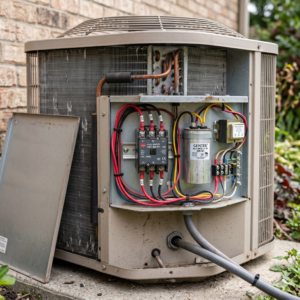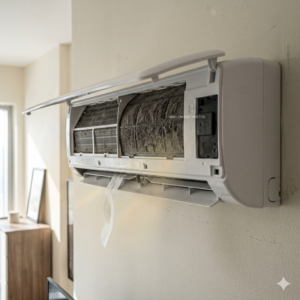





Searching for ac replacement compressor usually means your AC has reached a serious turning point. The system may stop cooling completely, trip the breaker, make loud humming sounds, or fail to start after repeated attempts. In the UAE’s climate, a compressor issue is not just another AC problem—it directly affects comfort, indoor air quality, energy consumption, and repair cost decisions. This guide is written to help you understand whether compressor replacement is the right move, how to avoid repeat failure, what proper technical work should include, and what questions you should confidently ask before approving any work.
Table of Contents
ToggleWhat the Compressor Really Does and Why Its Failure Is Serious
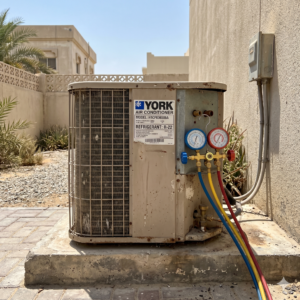
The compressor is often called the “heart” of the AC system. Its job is to circulate refrigerant through the system so heat can be absorbed from indoor air and released outside. When the compressor fails, the AC may still turn on, but it cannot perform effective cooling.
Unlike filters or coils, the compressor is a sealed, high-load mechanical and electrical component. Failure usually indicates deeper stress within the system. That is why ac replacement compressor decisions should never be rushed or based on guesswork.
Common early warning signs include:
- AC runs but does not cool at all
- Outdoor unit clicks or hums but does not start
- Frequent breaker tripping when AC starts
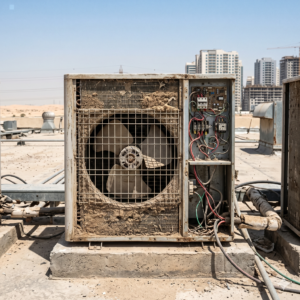
- Burning smell or loud buzzing from the outdoor unit
These symptoms may point to compressor failure, but proper diagnosis is essential before confirming replacement.
Repair vs Replace Decision Framework for Compressor Issues
One of the biggest questions homeowners face is whether replacing the compressor makes sense or whether full system replacement is the smarter option. This decision depends on several connected factors, not just the compressor itself.
Age of the AC System Versus Repair Value
System age plays a major role in the decision. Compressors are designed to last many years, but once a system reaches the later stage of its life, replacing the compressor may not always be cost-effective.
- If the AC is relatively new and well-maintained, compressor replacement can extend system life.
- If the AC is older, other components such as coils, motors, or electrical parts may fail soon after.
Replacing a compressor in an aging system can sometimes delay the inevitable while increasing total long-term cost.
Warranty Status and Manufacturer Coverage
Before approving ac replacement compressor, always check warranty status. Many compressors carry longer manufacturer warranties than other AC components.
If the compressor is still under warranty:
- The part cost may be partially or fully covered.
- You may only pay for labor, refrigerant handling, and related work.
If the warranty has expired, the full cost of parts and labor applies, which can significantly affect the repair-versus-replace decision.
Refrigerant Type and Future Availability
Refrigerant type is another critical factor. Some older systems use refrigerants that are being phased out or restricted.
When the system uses an outdated refrigerant:
- Compressor replacement becomes more expensive due to refrigerant handling complexity.
- Future servicing may become harder or costlier.
In these cases, upgrading the entire system to a newer refrigerant standard may be more practical than replacing a single component.
Why Compressors Fail and How to Prevent Repeat Failure
Understanding why compressors fail is essential. Replacing the compressor without fixing the underlying cause often leads to another failure.
Electrical Burnout and Contamination
Electrical burnout occurs when excessive current or voltage stress damages the compressor windings. When this happens, acidic contamination can spread through the refrigerant circuit.
If contamination is not properly addressed:
- The new compressor can fail prematurely.
- Oil and refrigerant inside the system become chemically unstable.
Airflow and Coil-Related Stress
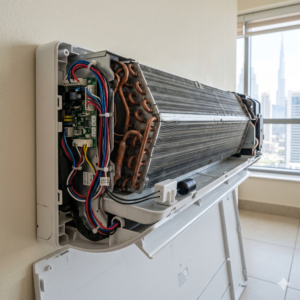
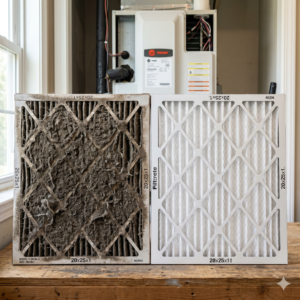
Poor airflow caused by dirty filters, blocked ducts, or clogged coils forces the compressor to work harder. Over time, this excessive load leads to overheating and mechanical wear.
This is why compressor issues are often linked to neglected cleaning or duct hygiene. In many cases, services like AC duct cleaning or AC deep cleaning are part of long-term prevention.
Lubrication Problems and Oil Migration
The compressor relies on proper oil circulation for lubrication. Incorrect refrigerant charge, improper piping slope, or poor installation can prevent oil from returning to the compressor.
Without lubrication:
- Internal components wear rapidly.
- Heat buildup increases mechanical stress.
Starting Stress and Electrical Load Issues
Repeated hard starts, unstable power supply, or faulty capacitors place heavy stress on compressor startup cycles. Over time, this can damage internal motor components.
Proper electrical checks are essential before installing a new compressor.
Transparent Cost Structure for AC Replacement Compressor
Instead of focusing on fixed numbers, it is more useful to understand how compressor replacement cost is structured. This helps you evaluate quotes fairly.
Compressor Part Cost
The compressor itself is the most expensive single component. Cost varies depending on:
- System capacity and brand
- Refrigerant compatibility
- Availability and lead time
Labor Scope and Technical Work
Labor is not just removal and installation. Proper compressor replacement includes:
- Safe recovery of existing refrigerant
- Removal of failed compressor
- System preparation and flushing
- Installation and brazing
Refrigerant Handling and Environmental Compliance
Refrigerant must be recovered, weighed, and recharged correctly. Improper handling can damage the system and violate safety standards.
Full System Replacement Comparison
In some cases, full system replacement may offer better value. This is especially true when:
- The AC is old
- Multiple components show wear
- Efficiency upgrades reduce energy costs
Understanding AC installation and replacement options helps compare long-term outcomes rather than focusing on short-term cost.
Technical Installation Must-Haves for Compressor Replacement
Proper installation determines whether the new compressor lasts years or fails prematurely.
System Flushing and Contamination Removal
Flushing removes acid, debris, and old oil from the system. Skipping this step is one of the most common causes of repeat failure.
Filter Drier Replacement
Filter driers trap moisture and contaminants. They must be replaced during compressor change to protect the new unit.
Proper Brazing Practices
Correct brazing with nitrogen purging prevents oxidation inside copper lines. Poor brazing introduces scale that damages compressors.
Deep Vacuum and Moisture Removal
A deep vacuum removes air and moisture from the system. Moisture left inside can form acids that attack compressor internals.
Post-Installation Testing and Commissioning
Final testing should include:
- Pressure verification
- Electrical load checks
- Temperature and performance testing
What Homeowners Should Expect on the Service Day
Knowing what happens during compressor replacement helps reduce stress and confusion.
- Initial inspection and confirmation of failure
- Refrigerant recovery and system isolation
- Removal of failed compressor
- System preparation and component replacement
- Installation, evacuation, and recharge
- Operational testing and explanation
A professional team will explain each stage and confirm readiness before commissioning.
Practical Questions to Ask Before Approving AC Replacement Compressor
Asking the right questions protects your investment.
- What caused the compressor to fail?
- What steps are taken to prevent repeat failure?
- Which parts are replaced besides the compressor?
- Is the refrigerant compatible with the new compressor?
- What workmanship warranty is provided?
Clear answers indicate professional standards and transparency.
When Compressor Replacement Should Be Handled by Experts
Compressor replacement is not a routine repair. If handled incorrectly, it can lead to repeated failure, poor cooling, higher energy use, and long-term system damage. Bio On Air approaches compressor replacement through structured diagnosis, contamination control, safe refrigerant handling, and clear communication. Acting carefully and early reduces risk and protects both comfort and system lifespan. You can use the WhatsApp or Call button at the top right of this page to discuss your system condition and understand the safest next step.
Conclusion
Choosing ac replacement compressor is a major decision that should be based on system age, warranty status, refrigerant type, and long-term reliability—not urgency alone. Understanding why compressors fail, how proper installation prevents repeat issues, and what transparent cost structure looks like empowers you to make a confident decision.
Whether repair or full replacement is the right choice, the key is proper diagnosis and execution. When compressor replacement is done with correct preparation, installation standards, and testing, it restores performance and protects your investment. In a climate where AC reliability matters every day, informed decisions and professional handling make all the difference.