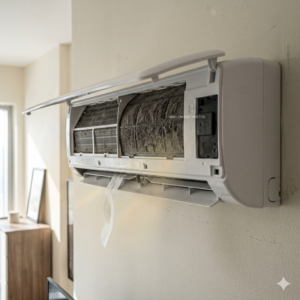





ac grill fitting may look like a small finishing task, but it plays a critical role in how your AC system performs, sounds, and looks. A poorly fitted AC grill can restrict airflow, create whistling or rattling noise, allow dust leakage, and visually ruin an otherwise clean interior. Many people only realize this after installation, when the grill does not sit flush, air feels uneven, or vibration becomes noticeable. This guide is written to help you get ac grill fitting right from the start—covering checks before installation, a practical fitting flow, common problems and fixes, upgrade options, and final verification—so you avoid rework, wasted cost, and long-term performance issues.
Table of Contents
ToggleReady-to-Start Checklist Before AC Grill Fitting
Before installing any AC grill, preparation matters more than force or speed. Most fitting problems happen because sizing, material choice, or airflow direction was not confirmed early.
Confirm Correct Grill Size and Opening Dimensions
The most common mistake in ac grill fitting is assuming standard sizes always fit. In reality, ceiling and wall openings often vary due to plaster thickness, false ceiling framing, or previous modifications.
- Measure the opening width and height accurately, not the old grill size.
- Check depth clearance behind the opening, especially for filter-integrated grills.
- Allow a small tolerance (usually a few millimeters) for alignment, not force.
A grill that is too small leaves visible gaps, while an oversized grill encourages bending, cracked paint, or distorted airflow.
Choose the Right Grill Material for the Environment
Material choice affects durability, noise, and appearance.
- Aluminium grills are lightweight, corrosion-resistant, and common for residential and commercial use.
- Steel grills are stronger but heavier, requiring solid anchoring.
- Plastic or composite grills are budget-friendly but may warp over time in high heat.
In humid environments or near kitchens and bathrooms, corrosion resistance is more important than appearance alone.
Verify Airflow Direction and Grill Type
Not all grills are interchangeable. Directional mismatch reduces comfort.
- Supply grills should direct air into the room without blowing directly onto occupants.
- Return grills should allow unrestricted airflow back to the system.
- Linear or slot grills require precise alignment to avoid uneven airflow.
Installing the wrong grill type can make the AC feel weak even if the system itself is working correctly.
Practical AC Grill Fitting Installation Flow
Once preparation is complete, a structured installation flow helps ensure the grill sits flush, airtight, and stable.
Step 1 Surface Preparation
Surface preparation determines how well the grill aligns.
- Clean dust, loose plaster, and paint flakes from the opening.
- Check for uneven edges or warped frames.
- Level the surface where the grill frame will sit.
Skipping this step often leads to visible gaps and uneven pressure points.
Step 2 Dry Fit and Alignment Check
Before fixing anything permanently, place the grill into position.
- Confirm the grill sits evenly on all sides.
- Check alignment with ceiling or wall lines.
- Ensure airflow louvers face the intended direction.
This dry fit step prevents unnecessary drilling and rework.
Step 3 Proper Screw Tightening Technique
Over-tightening is a common cause of cracked grills and stripped holes.
- Tighten screws gradually in a cross pattern.
- Stop once the grill is secure, not when it bends.
- Use appropriate anchors for gypsum or concrete surfaces.
Uniform pressure keeps the grill flush and prevents vibration.
Step 4 Sealing for Airtight Fit
Sealing is often skipped, but it is essential for performance.
- Apply a thin bead of flexible sealant around the frame.
- Do not block airflow paths.
- Remove excess sealant for a clean finish.
Proper sealing prevents air leaks, dust escape, and whistling noise.
Troubleshooting Common AC Grill Fitting Issues
Even with careful installation, problems can appear. Knowing how to identify and fix them saves time and cost.
Stripped Screw Holes
This happens when screws are overtightened or fixed into weak material.
- Use wall anchors or toggle bolts for better grip.
- Fill stripped holes with filler and re-drill once cured.
Uneven Walls or Ceilings
Older buildings often have uneven surfaces.
- Use thin spacers or shims behind the frame.
- Apply flexible sealant to hide minor gaps.
Visible Gaps Around the Grill
Gaps affect both appearance and airflow.
- Check sizing again.
- Re-seat the grill and adjust alignment.
- Seal properly once alignment is correct.
Rattling Noises During Operation
Rattling usually indicates loose fixing or vibration.
- Re-tighten screws evenly.
- Add foam tape behind contact points.
Airflow Whistling Sound
Whistling often means air is being forced through gaps or narrow passages.
- Seal leaks properly.
- Confirm grill type matches airflow direction.
Aesthetic and Performance Upgrade Options
AC grill fitting is also an opportunity to improve both look and performance.
Repainting Techniques for a Clean Finish
- Use spray paint designed for metal or plastic.
- Apply thin coats to avoid clogging louvers.
- Allow full drying before installation.
Filter-Integrated Grills
These grills include removable filters that trap dust before it enters the system.
- Easier maintenance.
- Improved indoor air quality.
Modern Low-Profile or Hidden Grill Designs
Minimalist interiors often benefit from:
- Linear slot grills.
- Flush-mounted or concealed designs.
These options require more precise fitting but deliver cleaner aesthetics.
Quick-Reference Guide to Tools, Fasteners, and Sealants
Having the right tools ensures clean and secure ac grill fitting.
- Tools: measuring tape, spirit level, drill, screwdriver, utility knife.
- Fasteners: stainless screws, wall anchors, toggle bolts.
- Sealants: flexible acrylic or silicone sealant.
If professional assistance is needed, labour for small fitting or adjustment tasks is often charged as an hourly call-out. For reference, labour-only call-outs typically start from around AED 140 per hour, depending on scope and location. Costs may vary, and it is always best to confirm before work begins.
For larger AC-related adjustments or if grill fitting is part of a broader system setup, guidance from professionals experienced in AC installation and replacement can help ensure compatibility and airflow balance.
Final Verification After AC Grill Fitting
The last step is verification. This confirms that the fitting is secure, aligned, and leak-free.
- Turn on the AC and check airflow direction and strength.
- Listen closely for rattling or whistling sounds.
- Check visually for gaps or misalignment.
- Run the system for several minutes to confirm stability.
If airflow feels uneven or noise appears, adjustments should be made immediately rather than ignored.
When Professional Help Makes Sense
While basic ac grill fitting can be done carefully, complex layouts, hidden designs, or repeated noise issues often benefit from professional handling. Improper fitting can reduce efficiency, increase noise, and lead to dust leakage that affects indoor air quality.
Bio On Air supports AC-related fitting, airflow optimization, and system checks as part of our broader HVAC services. If you notice persistent noise, uneven cooling, or air leakage after grill installation, acting early helps prevent further inefficiency or damage. You can use the WhatsApp or Call button on our site to discuss whether adjustment or professional fitting support is the right next step.
Conclusion
AC grill fitting is not just a cosmetic detail. It directly affects airflow efficiency, noise level, air quality, and the overall appearance of your space. By starting with proper sizing and material checks, following a structured installation flow, addressing common fitting issues early, and verifying performance after installation, you can avoid many of the problems people experience later.
Whether you are fitting a new grill, upgrading to a modern design, or correcting an existing issue, taking a careful and informed approach saves time, cost, and frustration. In environments where AC runs daily, a properly fitted grill is a small detail that delivers long-term comfort and performance.