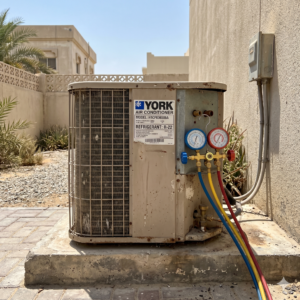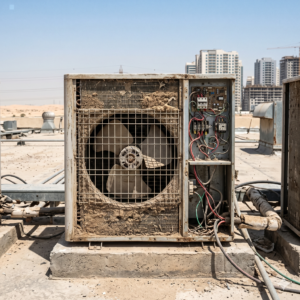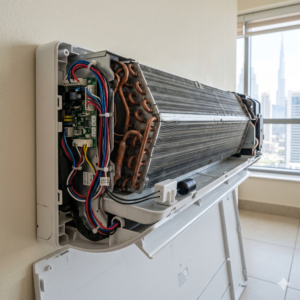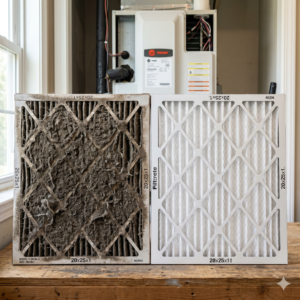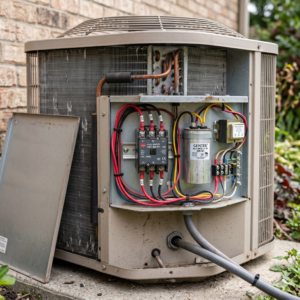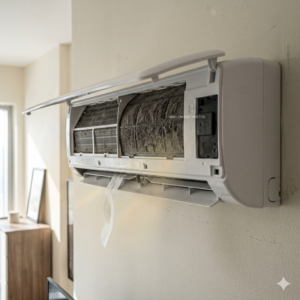





AC fitting pipe is one of the most overlooked yet most critical parts of any air conditioning system. Many AC problems that appear months or even years after installation—such as weak cooling, water condensation, strange noises, or repeated gas loss—often trace back to the fitting pipe. For homeowners, tenants, or even technicians, the pain point is usually the same: the AC looks fine from the outside, but performance slowly degrades, and repair costs keep adding up. This guide explains AC fitting pipes in a clear, practical way, helping you identify the right pipes, fittings, insulation, tools, and installation discipline to avoid costly mistakes.
Table of Contents
ToggleUnderstanding What an AC Fitting Pipe Actually Does
An AC fitting pipe connects the indoor and outdoor units, allowing refrigerant to circulate and heat to be transferred out of the room. While it may look like “just a copper pipe,” its role is critical. Any mistake in pipe selection, joint quality, insulation, or bending can directly affect cooling efficiency, energy consumption, and system lifespan.
Unlike electrical wiring that can sometimes tolerate small imperfections, refrigerant piping operates under pressure, temperature change, vibration, and environmental exposure. A weak pipe or poor joint may not fail immediately, but it often becomes the silent cause of repeated breakdowns.
Visual Identification of AC Pipes: Suction Line vs Liquid Line
Before buying or installing any AC fitting pipe, it is essential to visually identify the two main refrigerant lines used in split and ducted systems.
Suction Line (Gas Line)
The suction line carries low-pressure refrigerant gas from the indoor unit back to the compressor. It is usually:
- Larger in diameter than the liquid line
- Cold to the touch during operation
- Always insulated
If the suction line is left uninsulated or poorly insulated, condensation forms quickly, leading to water dripping, mold risk, and energy loss.
Liquid Line
The liquid line carries high-pressure liquid refrigerant from the outdoor unit to the indoor unit. It is:
- Smaller in diameter
- Usually warm or ambient temperature
- Sometimes uninsulated (depending on system design)
Mixing up these lines or using incorrect sizes can reduce efficiency and strain the compressor.
Common Pipe Materials and Industry Standards
Most AC fitting pipes are made from copper because of its durability, corrosion resistance, and heat transfer properties. However, not all copper pipes are equal.
Soft Drawn Copper
This is the most common type used for AC installations. It is flexible, easy to bend, and suitable for flare or brazed joints.
Hard Drawn Copper
Hard drawn copper is rigid and typically used in commercial or concealed installations. It requires brazing and professional tools.
Thickness and Quality Standards
Always check that the copper pipe meets refrigeration-grade standards. Thin or substandard pipes may look acceptable but can crack under vibration or pressure over time.
Buying cheaper, thinner copper is a common mistake that leads to leaks months later—often after the warranty period ends.
Common AC Pipe Sizes and How to Avoid Mismatched Purchases
AC fitting pipe sizes vary depending on system capacity. Buying the wrong size is one of the most common errors, especially during replacement or DIY work.
Typical residential split AC systems use:
- 1/4 inch liquid line with 3/8 inch suction line (small units)
- 1/4 inch liquid line with 1/2 inch suction line (medium units)
- 3/8 inch liquid line with 5/8 inch suction line (larger units)
Never guess pipe size based only on AC tonnage. Always check manufacturer specifications or existing installed pipe dimensions.
Types of AC Pipe Fittings and When to Use Each
Choosing the correct fitting type is just as important as choosing the pipe itself. Each fitting method has different reliability levels, skill requirements, and long-term performance.
Flare Fittings
Flare fittings are common in residential split AC systems. They require:
- Accurate pipe cutting
- Proper flaring tool
- Correct torque during tightening
Over-tightening causes cracked flares, while under-tightening leads to leaks. Many refrigerant leaks originate from poorly made flare joints.
Brazed or Soldered Joints
Brazing is used in professional installations and commercial systems. It provides strong, permanent joints but requires:
- High-temperature torch
- Proper filler material
- Nitrogen purging to avoid oxidation
This method offers excellent long-term reliability but is not suitable for inexperienced DIY users.
Compression Fittings
Compression fittings are sometimes used for quick repairs. They are easier to install but:
- Are more sensitive to vibration
- May loosen over time
- Are not recommended for concealed installations
Press-Connect (Modern Systems)
Press-connect fittings use special tools to crimp and seal joints. They offer:
- Consistent sealing
- Reduced installation error
- Good long-term performance
However, they require expensive proprietary tools and are usually used by professionals.
Insulation Considerations for AC Fitting Pipe
Insulation is not optional for AC fitting pipes, especially for the suction line. Poor insulation is one of the most common causes of condensation and efficiency loss.
Why Insulation Matters
- Prevents moisture condensation and dripping
- Maintains cooling efficiency
- Protects pipes from temperature fluctuation
Outdoor UV Protection
Outdoor sections of insulated pipes must be UV-resistant or protected with additional cladding. Sun exposure can degrade insulation within months, leaving pipes exposed.
Common Failure Points and How to Identify Early Signs
Most AC fitting pipe failures do not happen suddenly. They develop gradually and show warning signs.
Vibration-Related Cracks
Pipes that are not properly clamped or supported can vibrate, leading to metal fatigue and cracks.
Oil Stains as Leak Indicators
Oil residue near joints often indicates refrigerant leakage. This should never be ignored.
Improper Bending
Sharp bends reduce refrigerant flow and stress the pipe wall, increasing failure risk.
Pipe Fatigue Over Time
Repeated temperature expansion and contraction weaken pipes, especially thin or poor-quality copper.
Practical Tool Checklist: Are You Ready for DIY?
Before attempting any AC fitting pipe work, assess your tool readiness honestly.
Basic Tool Level
- Pipe cutter
- Measuring tape
- Insulation tape
This level is suitable only for visual checks or insulation replacement.
Intermediate Tool Level
- Flaring tool
- Torque wrench
- Deburring tool
Required for safe flare joint installation.
Advanced Tool Level
- Brazing torch
- Nitrogen regulator
- Vacuum pump
- Leak detector
This level is typically professional-only. Attempting work without these tools often leads to hidden leaks.
Critical Installation Cautions That Prevent Costly Damage
Most expensive AC failures are caused by small installation mistakes.
Torque Discipline
Always tighten flare nuts to manufacturer torque specifications. Guessing or using “feel” leads to cracked joints.
Cleanliness Before Sealing
Dirt or metal shavings inside pipes contaminate the system and damage the compressor.
No Shortcuts on Vacuuming
Skipping proper vacuuming traps moisture and air, reducing cooling and causing corrosion.
Why AC Fitting Pipe Issues Often Become Expensive Later
The biggest pain point for many users is delayed failure. The AC works initially, then months later cooling drops, gas leaks appear, and repeated servicing becomes necessary.
This usually happens because:
- Wrong pipe size was used
- Low-quality copper was installed
- Fittings were improperly tightened
- Insulation was inadequate
Fixing these issues later often requires reopening walls, replacing pipes, and recharging refrigerant—far more expensive than doing it right the first time.
When Professional Handling Is the Safer Option
While basic inspection and insulation replacement can be DIY-friendly, any work involving refrigerant joints, brazing, or vacuuming should be handled by trained professionals.
Professional handling reduces the risk of:
- Hidden leaks
- Compressor damage
- Repeated gas loss
- Voided manufacturer warranty
Conclusion
AC fitting pipe may look simple, but it is one of the most critical components affecting performance, efficiency, and reliability. Understanding pipe types, sizes, fittings, insulation, and failure points helps you make better decisions and avoid costly mistakes.
The key lesson is discipline: correct sizing, quality materials, proper tools, and careful installation. Whether you are evaluating existing pipes or planning a new installation, taking the time to do it right—or choosing professional handling when needed—protects your AC system from silent failures that often appear long after installation. In a climate where AC is essential, the fitting pipe is not a minor detail; it is a foundation for long-term comfort and efficiency.