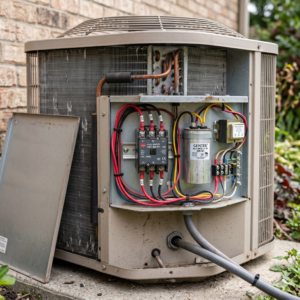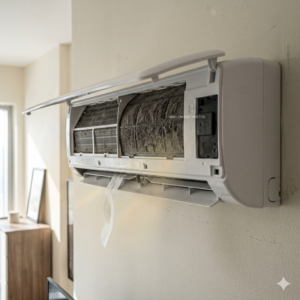





Searching for air conditioning installation and service often means you are facing an important decision, not just a technical problem. Maybe your current AC struggles to cool properly, your electricity bills keep rising, or you are planning a new installation and want to avoid costly mistakes. In hot climates like the UAE, air conditioning is not optional. The challenge is choosing the right system, installing it correctly, and maintaining it in a way that delivers comfort, efficiency, and long-term value without unnecessary upgrades or repeat repairs.
Table of Contents
ToggleUnderstanding Air Conditioning Installation and Service as a Long-Term System
One of the most common misunderstandings about air conditioning installation and service is treating it as a one-time purchase. In reality, an AC system is a long-term system made up of several connected parts: the equipment itself, how it is sized, how it is installed, how it is operated daily, and how it is maintained over time.
A system that is slightly oversized, poorly installed, or inconsistently maintained can appear powerful at first but cost more in energy, experience more breakdowns, and provide less stable comfort. On the other hand, a correctly selected and well-serviced system often runs quietly, cools evenly, and lasts longer with fewer surprises.
The sections below break down how to approach installation and service decisions step by step, with a focus on practical guidance rather than sales-driven advice.
System Selection Guidance That Corrects Common Oversizing Myths
One of the biggest myths in air conditioning installation is that “bigger is always better.” Many people assume that choosing a higher-capacity AC will cool the space faster and more effectively. In practice, oversizing often creates more problems than it solves.
An oversized AC tends to cool the room too quickly and then shut off before completing a full cooling cycle. This leads to:
- Uneven temperatures across rooms
- Higher humidity because moisture is not removed properly
- Frequent on-off cycling that wears components faster
- Higher energy consumption over time
Proper system selection focuses on matching capacity to the actual cooling load. This includes room size, ceiling height, insulation quality, sun exposure, number of occupants, and typical usage patterns. A well-sized system runs longer at stable output, which improves comfort and efficiency.
How Proper Capacity Sizing Is Determined
Capacity sizing is not guesswork. A professional approach considers:
- Square footage and layout of the space
- Heat gain from windows and external walls
- Internal heat sources such as appliances and lighting
- Local climate conditions and peak summer temperatures
This method avoids both under-sizing, which leads to constant strain, and over-sizing, which causes inefficiency and discomfort.
Efficiency Ratings and Why They Matter Beyond Labels
Efficiency ratings such as SEER or EER are often mentioned but not always explained clearly. These ratings indicate how efficiently a system converts electricity into cooling.
Higher efficiency systems usually cost more upfront, but they often deliver:
- Lower monthly electricity bills
- More stable temperature control
- Reduced strain on components
The key is to balance upfront cost with long-term operating value. A system with slightly higher efficiency may pay for itself over time, especially in environments where AC runs many hours each day.
Transparent Installation Cost Structure Without Guesswork
Another major concern in air conditioning installation and service is cost transparency. Many people feel uncertain because installation prices can vary widely and often include items that are not clearly explained.
Rather than focusing on exact figures, a transparent approach explains what drives the cost.
How System Type Affects Installation Scope
Different AC system types involve different installation requirements:
- Split systems: typically simpler installs but still sensitive to piping length and placement
- Ducted systems: require careful duct design, balancing, and sealing
- VRF or multi-split systems: involve advanced controls and precise commissioning
The complexity of the system directly affects labor time, materials, and testing requirements.
Commonly Overlooked Installation Add-Ons
Many installation issues arise from overlooked components rather than the main unit itself. Examples include:
- Electrical upgrades or dedicated circuits
- Drainage routing and condensation management
- Mounting brackets or vibration isolation
- Thermostat placement and control integration
A clear estimate should outline these items instead of adding them later as surprises. A professional installer explains which elements are necessary and why, rather than bundling everything into unclear pricing.
For those who want to review how installation and replacement are typically structured, a detailed overview is available on the air conditioning installation and replacement service page.
A Practical Repair-Versus-Replace Decision Framework
One of the most confusing decisions in air conditioning service is whether to repair an existing unit or replace it. The correct choice depends on several practical factors rather than a single rule.
Unit Age and Expected Lifespan
Most AC systems have an expected lifespan. As a unit ages, repairs tend to become more frequent and less predictable. A newer system with a clear issue may be worth repairing, while an older unit with recurring problems may not.
Overall Condition and Maintenance History
A well-maintained system often responds better to repair. Systems that have been neglected may have multiple hidden issues that make repair less reliable.
Refrigerant Type and Availability
Older refrigerants may be phased out or harder to source. This can increase repair complexity and cost. Newer systems using current refrigerants are often easier to service long term.
Long-Term Reliability and Operating Cost
Even if a repair is technically possible, it may not be the best decision if it leads to:
- Higher energy consumption
- Repeated service calls
- Reduced comfort consistency
A clear framework helps you compare short-term repair savings with long-term operating value, rather than making decisions under pressure.
Maintenance Overview: What Homeowners Can Manage vs Professional Service
Air conditioning installation and service does not end after installation or repair. Ongoing maintenance plays a major role in system reliability.
Homeowner-Manageable Maintenance Tasks
Some tasks are safe and effective for homeowners or occupants to handle, such as:
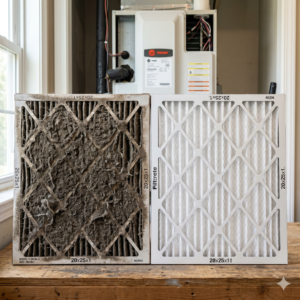
- Cleaning or replacing air filters regularly
- Keeping vents and returns unobstructed
- Noticing unusual noise, odor, or airflow changes
These simple actions help maintain airflow and reduce strain on the system.
Professional-Only Service Items
Other maintenance tasks require professional tools and training, including:
- Checking refrigerant pressure and leak detection
- Inspecting electrical connections and safety components
- Cleaning internal coils and drain systems
- Verifying airflow balance and performance
Ignoring these items can lead to water damage, efficiency loss, or electrical risks. Structured programs such as AC maintenance and AMC services are designed to address these needs systematically.
Key Performance Warning Signs That Should Not Be Ignored
Many AC failures provide early warning signs. Recognizing them early can prevent larger issues.
- AC running longer than usual to reach set temperature
- New or worsening noise during operation
- Uneven cooling between rooms
- Water leakage or damp areas near the unit
These signs often indicate airflow, drainage, or component issues that are easier to address early.
Contractor Vetting Criteria That Protect You
Choosing the right contractor is as important as choosing the right system.
Licensing, Certification, and Technical Standards
A reliable contractor should be properly licensed and trained. This ensures they follow safety standards and manufacturer guidelines.
Inspection-Based Estimates Instead of Assumptions
Clear estimates are based on inspection, not guesses. This applies to both installation and service work.
Pricing Clarity and Communication
A professional contractor explains scope, options, and limitations clearly. Red flags include:
- Quoting without inspection
- Pushing upgrades without explanation
- Unclear scope or vague timelines
Transparency builds trust and reduces misunderstandings.
Decision Aids That Help You Choose the Right Path
Quick Comparison Between System Types
As a simple guide:
- Split systems: suitable for individual rooms with moderate usage
- Ducted systems: ideal for whole-home comfort and uniform airflow
- Advanced systems: better for large or complex spaces needing zoning
How to Decide Between Installation, Repair, or Ongoing Service
Ask yourself:
- Is the system meeting comfort needs consistently?
- Are repairs becoming frequent?
- Is energy usage rising without clear reason?
Your answers often point to whether installation, repair, or structured service best fits your situation.
When Professional Guidance Makes the Difference
Air conditioning installation and service decisions affect comfort, cost, and reliability for years. Small shortcuts during selection or installation often lead to ongoing issues.
Bio On Air supports these decisions through proper system selection guidance, inspection-based recommendations, and clear explanations. If you want to discuss your current system, installation plans, or service needs, you can use the WhatsApp or Call button at the top right of this page for an initial discussion.
Conclusion
Air conditioning installation and service is not just about choosing a unit or fixing a fault. It is about building a system that matches your space, runs efficiently, and remains reliable over time. Correct capacity sizing avoids common oversizing myths, transparent installation planning prevents surprises, and a clear repair-versus-replace framework protects long-term value.
When maintenance responsibilities are clearly divided between what homeowners can manage and what professionals should handle, systems perform better and last longer. Combined with careful contractor vetting and practical decision aids, these steps help you move from uncertainty to confidence. In environments where AC is essential, making informed installation and service choices is one of the most effective ways to protect comfort, health, and operating costs.