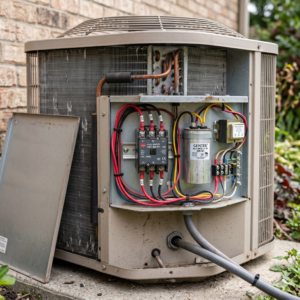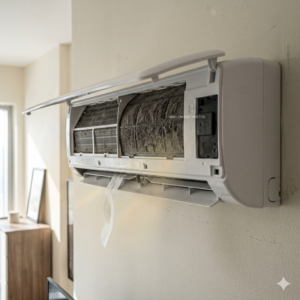





The installation of aircon is often treated as a simple technical task, but in reality it is a critical process that determines comfort, energy efficiency, noise level, system lifespan, and even whether the manufacturer’s warranty remains valid. Many long-term AC problems do not start from poor equipment, but from incorrect sizing, rushed installation, or hidden compromises made during setup. This career-focused overview explains how professional aircon installation should be planned, executed, and verified so you understand what separates a reliable installation from one that quietly creates problems.
Table of Contents
Toggle#1 Correct Unit Sizing Is the Foundation of Proper Aircon Installation
One of the most common mistakes in the installation of aircon is incorrect unit sizing. Many people assume that a bigger unit will always cool better, while others choose a smaller unit to save upfront cost. Both approaches can lead to long-term performance and cost issues.
Professional sizing considers more than just room length and width. Key factors include:
- Room size and layout: total floor area, room shape, and open connections to other spaces.
- Ceiling height: higher ceilings increase air volume and cooling load.
- Sunlight exposure: rooms with strong afternoon sun require more cooling capacity.
- Insulation and window quality: poor insulation or single-glazed windows increase heat gain.
- Occupancy and usage: bedrooms, offices, and living areas have different heat loads.
An oversized unit may cool the room too quickly and shut off repeatedly. This short cycling reduces efficiency, increases wear on components, and often leaves humidity poorly controlled. An undersized unit, on the other hand, runs continuously, struggles to reach set temperature, and consumes more electricity over time.
Correct sizing is not about guessing or copying a neighbor’s setup. It is about matching the aircon’s capacity to the real cooling demand of the space.
#2 Pre-Installation Site Audit Prevents Structural and Airflow Problems
A professional installation of aircon always starts with a site audit. Skipping this step is one of the main reasons systems develop noise, vibration, drainage issues, or uneven cooling.
A proper site audit evaluates:
- Wall strength: ensuring the mounting surface can safely support the indoor unit.
- Clearance zones: sufficient space around the unit for proper airflow and servicing.
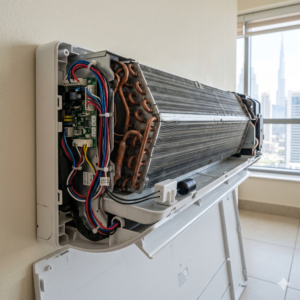
- Indoor unit placement: avoiding direct airflow onto occupants and preventing short air circulation.
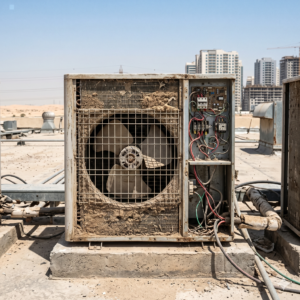
- Outdoor unit location: adequate ventilation, minimal heat recirculation, and low noise impact.
- Condensate drainage path: gravity-based or pump-assisted drainage to prevent leaks.
Poor placement often leads to long-term issues. An indoor unit installed too close to the ceiling or corner may restrict airflow. An outdoor unit placed in a confined space may overheat and lose efficiency. Improper drainage planning is one of the most common causes of water leakage complaints after installation.
The site audit is where experienced installers prevent problems that are expensive or disruptive to fix later.
#3 Indoor and Outdoor Unit Placement Affects Comfort and Noise
During the installation of aircon, placement decisions directly influence how comfortable and quiet the system will be.
For indoor units, professionals consider:
- Airflow direction and throw distance
- Avoiding direct cold air on beds, desks, or seating areas
- Ease of filter access for cleaning
For outdoor units, considerations include:
- Distance from bedrooms or quiet zones to reduce noise
- Protection from direct sunlight where possible
- Solid mounting to reduce vibration transmission
Improper placement may not show immediate failure, but it often results in discomfort, complaints about noise, and reduced system efficiency.
#4 Electrical Requirements Are a Safety-Critical Part of Installation
Aircon installation involves more than mechanical mounting. Electrical setup is a safety-critical component that must meet local regulations and manufacturer specifications.
Professional electrical preparation includes:
- Correct circuit sizing to handle startup and running load
- Dedicated isolator switches for safe servicing
- Proper grounding to prevent electrical faults
- Secure cable routing to avoid overheating or damage
Improper electrical connections can lead to nuisance tripping, unstable operation, or in severe cases, fire risk. From a warranty perspective, many manufacturers require certified electrical installation as a condition of coverage.
#5 Refrigerant Piping, Insulation, and Routing Matter More Than They Look
Refrigerant piping is often treated as a cosmetic or secondary concern, but it plays a major role in system efficiency and reliability.
Professional installation ensures:
- Correct pipe diameter and length within manufacturer limits
- Proper insulation to prevent energy loss and condensation
- Secure routing to avoid vibration and noise
- Neat trunking or concealment for aesthetics and protection
Poorly insulated or incorrectly routed piping can lead to cooling loss, water dripping, or premature compressor strain. These issues may only appear after months of operation.
#6 Vacuuming and Moisture Removal Are Non-Negotiable Steps
One of the most critical yet often skipped steps in the installation of aircon is proper vacuuming of the refrigerant lines.
Vacuuming removes:
- Air trapped in the piping
- Moisture that can form acid inside the system
- Contaminants that reduce heat exchange efficiency
Skipping or rushing this step can significantly shorten compressor life and reduce performance. Moisture inside the system leads to corrosion and chemical reactions that damage internal components.
This is a clear difference between professional installation and rushed or DIY work.
#7 System Testing Confirms the Installation Is Actually Successful
Testing is not just turning the aircon on and checking if cold air comes out. A professional installation includes structured system testing.
Testing should verify:
- Stable cooling performance under load
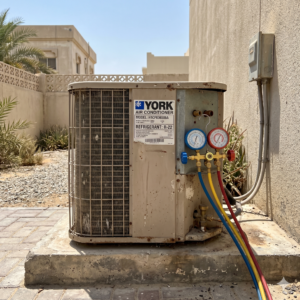
- Correct refrigerant pressure
- Noise and vibration levels
- Proper drainage with no leaks
- Accurate thermostat response
This step ensures the system is ready for real-world use, not just a showroom demonstration.
#8 Professional Installation Versus DIY Installation
DIY aircon installation may appear cheaper at first, but it carries significant risks. Professional installation is not just about tools, but about experience, standards, and accountability.
DIY installation risks include:
- Incorrect sizing and placement decisions
- Unsafe electrical connections
- Improper vacuuming or refrigerant handling
- Hidden performance issues that appear months later
From a career and property perspective, professional installation protects asset value, ensures compliance, and reduces long-term operational cost.
#9 Hidden Costs and Scope Creep in Aircon Installation
One common frustration during the installation of aircon is unexpected additional work. These costs are not always dishonest, but they are often misunderstood.
Examples of items that may fall outside a basic installation scope include:
- Extended refrigerant piping beyond standard length
- Additional electrical work or circuit upgrades
- Special brackets or vibration isolation supports
- Decorative trunking or concealment solutions
- Drain pumps for non-gravity drainage paths
The key is transparency. A professional installer explains what is included, what is excluded, and tells the price clearly before proceeding rather than surprising you mid-installation.
#10 Comparing Aircon Types by Installation Complexity
Not all aircon systems are equal in installation difficulty. Choosing the right type depends on your space, noise tolerance, efficiency goals, and aesthetic preferences.
| Aircon Type | Installation Difficulty | Noise Level | Efficiency | Aesthetics |
|---|---|---|---|---|
| Window AC | Low | High | Moderate | Basic |
| Split AC | Medium | Low | High | Clean and modern |
| Ducted / Central AC | High | Very Low | High | Hidden |
| VRF / Multi-Split | Very High | Low | Very High | Premium |
Understanding installation complexity helps confirm whether a system is suitable for your building and budget.
#11 Warranty and Workmanship Risks You Should Not Ignore
Many manufacturers clearly state that improper or uncertified installation can void warranty coverage. This is not a technicality; it is a protection against system damage caused by poor setup.
Common warranty risks include:
- Incorrect electrical installation
- Improper refrigerant handling
- Non-compliant mounting or piping
From a risk management perspective, professional installation is often a requirement, not a luxury.
#12 Post-Installation Checks and Aftercare Guidance
The installation of aircon does not end when the technician leaves. Post-installation checks and guidance ensure the system performs well long-term.
After installation, you should confirm:
- Stable cooling across the room
- No vibration or unusual noise
- No water leakage after several hours of use
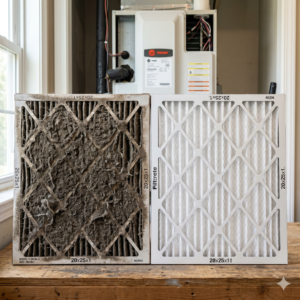
- Clear understanding of filter cleaning intervals
Proper aftercare reduces early failures and keeps efficiency high.
#13 Career and Professional Perspective on Aircon Installation
From a career-focused viewpoint, installation quality reflects technical discipline, risk awareness, and respect for standards. For technicians, mastering installation is foundational to long-term success. For property owners and managers, choosing professional installation protects assets and reduces liability.
The installation of aircon is not just a task. It is a system integration process that connects design, safety, and performance.
#14 Why Professional Installation Protects Long-Term Value
Correct aircon installation supports stable comfort, predictable energy use, and lower maintenance frequency. Poor installation silently erodes value through inefficiency, repeated service calls, and premature equipment failure.
When installation is done correctly from the start, the system works as designed, warranties remain valid, and long-term ownership becomes simpler and more predictable.
Conclusion
The installation of aircon is one of the most important decisions affecting indoor comfort, operating cost, and system reliability. Correct sizing, careful site audit, proper electrical and refrigerant handling, and thorough testing are not optional steps; they are the foundation of professional installation.
Whether you are planning a new installation, replacing an old system, or evaluating work quality, understanding these principles helps you make informed decisions. A well-installed aircon system does its job quietly and efficiently for years, while a poorly installed one creates ongoing frustration. In the long run, professional installation is not about spending more—it is about avoiding avoidable problems and protecting long-term value.