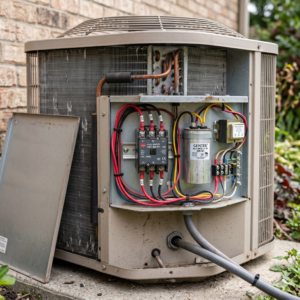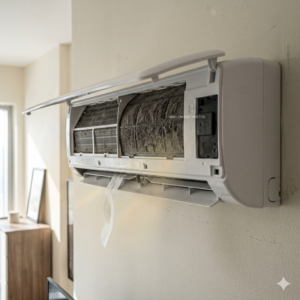





AC duct pipe is a general term many people use when they see pipes, tubes, or channels connected to their air conditioning system. The problem is that not all “AC pipes” do the same job. Some carry air, some remove water, and others carry refrigerant. If you misidentify them, you may try the wrong fix, waste money, or even make the problem worse. This guide walks you step by step from identification to solutions, using real-life symptoms people experience at home or at work.
Table of Contents
ToggleStart With Identification: What Do You Mean by AC Duct Pipe?
Before solving any problem, the first and most important step is identification. Many AC issues happen because people confuse one pipe with another. An AC system usually has multiple “pipes” or channels, each with a different function.
Below are the main categories most people refer to when they say “AC duct pipe.” Once you know which one you are dealing with, the rest of the troubleshooting becomes much clearer.
Flexible Air Ducts
Flexible ducts are soft, bendable air ducts usually wrapped in insulation. They are commonly used in apartments, villas, and ceiling spaces where rigid ducting would be difficult to install.
Main function: carry cooled air from the AC unit to rooms.
How to recognize them:
- Silver or grey outer layer, often insulated
- Soft and slightly compressible when touched
- Usually hidden above ceilings or behind access panels
Flexible ducts are efficient when installed correctly, but they are also more sensitive to bending, crushing, and poor sealing.
Rigid Ductwork (Sheet Metal or Pre-Insulated Panels)
Rigid ductwork is the backbone of many central AC systems, especially in larger homes, villas, offices, and commercial spaces.
Main function: distribute air evenly across multiple rooms.
How to recognize them:
- Hard structure made of metal or insulated panels
- Box-shaped or rectangular
- Usually hidden behind ceilings or walls
Rigid ducts are durable and efficient, but leaks, poor joints, or missing insulation can still cause major comfort and energy problems.
AC Drain Pipes
Drain pipes are often mistaken for “AC duct pipes,” especially when people see water dripping.
Main function: remove condensed water produced during cooling.
How to recognize them:
- Usually white or light-colored PVC pipes
- Smaller diameter compared to air ducts
- Often connected near the indoor unit
Any water dripping issue almost always involves the drain pipe, not the air duct itself.
Refrigerant Lines (Copper Pipes)
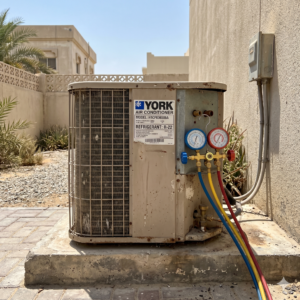
Refrigerant lines carry cooling gas between the indoor and outdoor units.
Main function: transport refrigerant for heat exchange.
How to recognize them:
- Copper pipes, often wrapped with black insulation
- One pipe thicker than the other
- Directly connected between indoor and outdoor units
Problems with refrigerant lines often show up as poor cooling, icing, or repeated gas refills.
Common Problems People Experience With AC Duct Pipe
Once you know which pipe you are dealing with, the next step is matching symptoms to causes. Most user complaints fall into a few recurring patterns.
Sweating Pipes and Condensation
Sweating or water droplets forming on duct pipes is a very common issue, especially in humid environments.
Why it happens:
- Missing or damaged insulation
- Warm air touching cold duct surfaces
- High indoor humidity
What you can safely check:
- Look for torn or loose insulation
- Check if ducts are exposed to warm air
When to call a professional: if sweating persists after insulation fixes or causes ceiling damage.
Air Leaks From Duct Connections
Air leaks reduce cooling performance and increase electricity use.
Common signs:
- Weak airflow from vents
- Dust around duct joints
- Uneven room temperatures
Simple homeowner check: feel for air escaping near accessible joints.
Professional help needed: sealing internal duct leaks or correcting poor connections.
Noise and Vibration From Duct Pipes
Noisy ducts are often blamed on the AC unit, but the duct system itself is frequently the cause.
Typical causes:
- Loose supports or hangers
- Ducts touching structural elements
- High air pressure in undersized ducts
Temporary fixes like padding may help, but persistent noise usually requires proper re-securing or airflow adjustment.
Dust Buildup and Odors
If your space smells dusty or unpleasant whenever the AC runs, the duct pipe system may be involved.
Possible reasons:
- Dust accumulation inside ducts
- Moisture combined with debris
- Disconnected or leaking sections pulling air from dirty ceiling spaces
Surface cleaning rarely solves this. Internal inspection and cleaning may be needed.
Water Dripping or Ceiling Damage
This is one of the most alarming symptoms.
Most likely causes:
- Blocked drain pipe
- Improper slope in drain line
- Condensation due to missing insulation
Ignoring water issues can lead to mold growth and structural damage.
Material and Function Guide: Matching Pipe Type to Use
You do not need deep technical knowledge, but understanding basic material choices helps you avoid bad fixes.
Flexible Air Duct Materials
- Plastic inner liner with metal coil
- Insulated outer jacket
Best for: short runs, tight spaces.
Common issues: sagging, crushing, insulation damage.
Rigid Duct Materials
- Galvanized steel
- Pre-insulated duct panels
Best for: long runs, consistent airflow.
Common issues: joint leaks, insulation gaps.
Drain Pipe Materials
- PVC
Best for: water removal.
Common issues: blockage, incorrect slope.
Refrigerant Line Materials
- Copper with insulation
Best for: refrigerant transport.
Common issues: insulation deterioration, leaks.
Basic How-To and Maintenance Guidance
Some maintenance steps are safe for homeowners, while others are not.
Safe Homeowner Actions
- Visual inspection for damaged insulation
- Ensuring vents are not blocked
- Cleaning visible dust around vents
Actions That Need Professional Help
- Internal duct cleaning
- Re-sealing hidden joints
- Drain line flushing beyond basic access
- Refrigerant line handling
Attempting deeper fixes without tools or experience can cause more harm than good.
Efficiency and Performance: Why Small Duct Issues Waste Energy
Even small duct problems can significantly affect performance.
Why Incorrect Tape Causes Failures
Standard household tape dries out quickly. Proper sealing requires materials designed for HVAC use.
Impact of Incorrect Duct Sizing
Ducts that are too small restrict airflow, increase noise, and force the AC to work harder, raising energy consumption.
Long-Term Energy Waste
Leaky or poorly insulated ducts can waste a large portion of cooled air before it reaches the room.
Cost Considerations: What Influences Pricing
Pricing for AC duct pipe issues depends on several factors rather than a single fixed number.
- Type of pipe involved
- Accessibility of the duct or pipe
- Extent of damage or contamination
- Whether insulation, sealing, or replacement is required
This is why responsible providers inspect first and explain the scope before discussing cost.
Diagnostic-Style Guide: Match Your Symptom to the Right Action
If you hear noise: check for loose supports, then consider airflow assessment.
If you see water: inspect drain pipes and insulation immediately.
If cooling is weak: look for air leaks and duct condition.
If odors appear: internal duct hygiene may be required.
When AC Duct Pipe Problems Should Be Handled Properly
AC duct pipe issues rarely fix themselves. Left untreated, they can reduce cooling efficiency, worsen indoor air quality, increase electricity costs, and cause structural damage from moisture. Bio On Air handles duct, drainage, and airflow-related AC issues with proper inspection, safe methods, and clear explanations so you understand the real cause before action is taken. Addressing duct problems early is a preventive step that protects comfort and long-term system health. You can use the WhatsApp or Call button at the top right of this page to discuss your symptoms with our team.
Conclusion
Understanding what “AC duct pipe” actually refers to is the first step toward solving the problem correctly. Whether it is an air duct, drain pipe, or refrigerant line, each component has a specific role and set of risks. By identifying the pipe correctly, matching symptoms to causes, and knowing when professional help is needed, you avoid unnecessary repairs and repeated frustration.
A well-maintained duct and pipe system supports efficient cooling, healthier air, and lower energy costs. In environments where AC runs daily, small duct issues can grow into major problems if ignored. Clear identification, early action, and proper handling are the most practical ways to keep your AC system reliable over the long term.