




Air duct grill is often treated as a small, decorative part of an HVAC system, yet it plays a much bigger role than most people realize. The wrong grill can disrupt airflow, create noise, reduce comfort, and even affect system pressure and energy efficiency. At the same time, the right air duct grill can improve air distribution, support healthier indoor air quality, and visually upgrade a room without major renovation. This guide explains air duct grill types, functions, sizing, materials, airflow principles, maintenance, and selection tips in a clear and practical way so you can avoid common mistakes and make smarter decisions.
Table of Contents
ToggleUnderstanding What an Air Duct Grill Really Does
An air duct grill (often called a grille or register) is the visible cover placed over a duct opening. Its job is not only to hide the duct, but to control how air enters or leaves a room. The design, orientation, and placement of the grill directly affect airflow direction, pressure balance, noise, and comfort.
Many problems that people blame on “the AC” are actually related to poor grill selection or incorrect installation. Uneven cooling, whistling sounds, drafts, or rooms that never feel balanced can often be traced back to the wrong type of air duct grill.
Supply Registers vs Return Air Grills
The first and most important distinction in air duct grills is function. There are two main roles: supplying air into a room and returning air back to the system.
Supply Registers
Supply registers deliver conditioned air (cool or warm) into the room. They usually have adjustable louvers that allow you to control airflow direction. Properly chosen supply registers help distribute air evenly, reduce hot or cold spots, and maintain comfort.
If a supply register is too restrictive or poorly angled, air may shoot directly onto occupants, create drafts, or fail to reach the rest of the room. This can cause discomfort and force the HVAC system to work harder.
Return Air Grills
Return air grills pull air back into the HVAC system so it can be filtered, cooled or heated again, and redistributed. They usually have fixed louvers and no airflow direction control.
Return grills must allow smooth, unrestricted airflow. Using a decorative or overly dense grill in a return location can restrict airflow, increase system pressure, create noise, and reduce overall efficiency.
Why Mixing Them Up Causes Problems
Using a supply-style register as a return grill, or vice versa, is a common mistake. This can lead to:
- Imbalanced system pressure
- Reduced airflow and efficiency
- Increased noise and vibration
- Higher energy consumption
Correct identification of supply versus return locations is the foundation of proper air duct grill selection.
How Incorrect Grill Selection Affects System Pressure
HVAC systems are designed to operate within a specific pressure range. Air duct grills act as the final restriction point between the duct and the room.
If a grill is too small, too dense, or poorly designed for its role, it increases resistance. This raises static pressure inside the system, which can:
- Reduce airflow to other rooms
- Increase fan load and energy use
- Shorten equipment lifespan
- Create whistling or humming noise
Conversely, an oversized or poorly directed supply grill can cause drafts and uneven temperature distribution. Proper grill selection is about balance, not just size or appearance.
Measurement Fundamentals That Prevent Costly Mistakes
One of the most common air duct grill buying errors comes from incorrect measurement. Many people measure the old grill cover instead of the actual duct opening.
Measure the Duct Opening, Not the Old Cover
The correct measurement is the inside duct opening size (width × height), not the visible face size of the existing grill. Covers often overlap the duct opening by several centimeters, which can mislead buyers.
Always remove the old grill and measure:
- The width of the duct opening
- The height of the duct opening
- The depth if the grill has a recessed frame
Why This Matters
Incorrect sizing can lead to:
- Gaps that leak air
- Forced installation that bends the grill
- Restricted airflow due to misalignment
- Unstable mounting and vibration noise
Accurate measurement ensures proper fit, optimal airflow, and a clean visual finish.
Aesthetic and Material Considerations
Air duct grills are part of the visible interior, so appearance matters. Today’s options go far beyond basic white metal covers.
Plastic Air Duct Grills
Plastic grills are lightweight, affordable, and resistant to corrosion. They are suitable for bathrooms, kitchens, and humid environments.
However, lower-quality plastic may discolor over time or warp under heat. They are best used where aesthetics are simple and airflow demands are moderate.
Metal Air Duct Grills
Metal grills (steel or aluminum) are durable and support higher airflow. They are common in residential and commercial settings.
They can be powder-coated or painted to match interiors, and they hold shape better than plastic under pressure.
Wood and Decorative Grills
Wood or wood-look grills are popular in high-end interiors. They add warmth and blend with classic or luxury design themes.
Because wood restricts airflow more than metal, it must be carefully selected and used primarily for supply locations with adequate sizing.
Design Styles and Interior Matching
Modern grills feature clean lines and minimal louvers. Traditional styles may use curved or patterned designs. Industrial interiors often favor exposed metal finishes.
Matching grill style to the room design helps the HVAC system blend into the interior instead of standing out as a technical element.
Simple DIY Refresh Options
If replacement is not needed, refreshing existing air duct grills can improve appearance and hygiene.
- Remove and wash with mild detergent
- Vacuum dust from louvers
- Repaint using suitable spray paint
- Tighten loose screws to reduce vibration
DIY refresh is cost-effective, but only suitable if the grill is structurally sound and correctly sized.
Performance and Airflow Principles
Grill design has a direct impact on how air moves inside a room.
Air Distribution and Comfort Balance
Supply grills with adjustable louvers allow air to be directed along ceilings or walls. This helps air mix gradually instead of blowing directly onto occupants.
Proper distribution improves comfort and reduces temperature stratification.
Noise and Whistling Issues
High-velocity air passing through restrictive grills creates noise. Whistling often indicates:
- Grill too small for airflow
- Incorrect grill type
- Excessive system pressure
Choosing a grill with adequate free area reduces noise and improves system efficiency.
Impact on HVAC Efficiency
When airflow is restricted, the system runs longer to reach the desired temperature. This increases energy consumption and wear.
Correct air duct grill selection supports efficient airflow, stable pressure, and better long-term performance.
Maintenance and Cleaning Guidance
Air duct grills collect dust over time. If neglected, this dust re-enters the room and affects indoor air quality.
Routine Cleaning
Most residential grills should be cleaned every few months. High-traffic or dusty environments may require more frequent cleaning.
Replacement vs Deep Cleaning
If a grill is heavily corroded, cracked, or permanently stained, replacement is better than cleaning. If buildup is surface-level, deep cleaning is sufficient.
Optional Filter Use
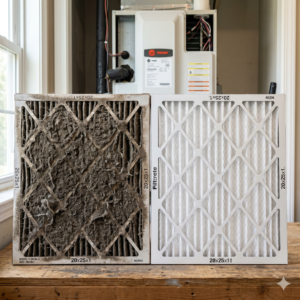
Some grills allow thin filters behind them. Filters can reduce dust entry but must be checked regularly. Dirty filters restrict airflow and negate benefits.
High-Level Comparison of Common Air Duct Grill Categories
| Grill Type | Airflow Behavior | Durability | Visual Impact | When to Consider Price |
|---|---|---|---|---|
| Standard Metal Supply | Balanced, adjustable | High | Neutral | Moderate budgets |
| Return Air Grill | High volume, low restriction | High | Simple | Function over style |
| Decorative Wood | Moderate, directional | Medium | High aesthetic value | Design-focused spaces |
| Plastic Grill | Moderate | Medium | Basic | Cost-sensitive areas |
Practical Sizing and Selection Checklist
Before buying or replacing an air duct grill, use this checklist to avoid common mistakes:
- Identify whether the location is supply or return
- Measure the duct opening, not the old cover
- Confirm airflow needs and pressure considerations
- Choose materials suitable for humidity and use
- Match design to interior style without restricting airflow
Following this checklist helps you avoid poor fit, noise issues, and airflow imbalance.
Why Air Duct Grill Choice Impacts Indoor Air Quality Long-Term
Air duct grills influence how dust moves, where air circulates, and how effectively filters work. Poor grill choices can allow dust to settle, encourage uneven airflow, and reduce overall hygiene.
Thoughtful selection supports cleaner air, better comfort balance, and reduced system stress over time.
Conclusion
An air duct grill may look like a small detail, but it has a major impact on airflow, comfort, noise, system pressure, and indoor air quality. Understanding the difference between supply registers and return air grills, measuring correctly, selecting appropriate materials, and maintaining cleanliness all contribute to better HVAC performance.
By choosing the right air duct grill and avoiding common mistakes, you not only enhance the appearance of your space but also protect system efficiency and long-term comfort. In many cases, a smart grill upgrade is one of the simplest ways to improve both visual appeal and indoor air quality without major renovation.