




ducts air duct cleaning is often discussed only when people can see dust or smell something unpleasant, but most contamination inside air ducts is invisible. In many homes and offices, pollutants quietly build up over years and affect indoor air quality, comfort, and even health without clear warning. This article explains what really happens inside air ducts, how to tell when cleaning is truly needed, how to avoid scams, and how to make a practical decision without technical overload.
Table of Contents
Toggle#1 The Invisible Contamination Problem Inside Air Ducts
Air ducts are hidden pathways that move air through your home or workplace. Because they are out of sight, it is easy to assume they are clean or at least harmless. In reality, ducts act like long, enclosed storage spaces for airborne particles.
Over time, common contaminants inside ducts may include:
- Fine dust and debris that bypass or overload filters
- Pollen and outdoor pollutants drawn in through fresh air intake
- Skin flakes and fibers from daily human activity
- Moisture-related microbial growth in humid conditions
- Construction residue from past renovations
Because this buildup is usually invisible from vents alone, many people underestimate its impact. Each time the system runs, small particles can be redistributed into living spaces. This does not always cause dramatic symptoms, but it can slowly affect air freshness, cleanliness, and comfort.
#2 How Duct Buildup Affects Indoor Air Quality and Daily Comfort
One of the biggest pain points related to ducts air duct cleaning is uncertainty. People often ask, “Is my air really affected, or is this just normal dust?” Understanding how duct contamination interacts with indoor air quality helps answer that question.
When ducts contain accumulated dust and debris, airflow becomes a delivery system for pollutants. This can lead to:
- Persistent dust settling on surfaces shortly after cleaning
- Rooms feeling stuffy even when cooling is adequate
- Air that feels heavy or stale rather than fresh
- Uneven air distribution between rooms
Indoor air quality issues do not always present as severe health problems. More often, they appear as subtle discomforts that gradually become “normal,” even though they are not ideal.
#3 Health Symptoms Commonly Linked to Dirty Air Ducts
Health concerns are another reason people start researching ducts air duct cleaning. While ducts are not the sole cause of indoor health symptoms, they can contribute when contaminated.
Common symptoms reported in environments with poor duct hygiene include:
- Frequent sneezing or nasal irritation indoors
- Dry throat or mild coughing without infection
- Headaches or fatigue after long indoor stays
- Worsening allergy symptoms at home
These symptoms often improve when spending time outside or in a different building, which is an important clue. While duct cleaning is not a medical treatment, reducing airborne contaminants can support a healthier indoor environment.
#4 Household Dust and Why It Keeps Coming Back
A common frustration is cleaning surfaces only to see dust return quickly. This is where ducts often enter the discussion.
Dust inside ducts does not stay contained. Airflow can loosen and redistribute fine particles, especially when:
- Filters are clogged or low quality
- Air velocity changes due to system cycling
- Duct surfaces are heavily coated with debris
If dust returns rapidly despite regular housekeeping, duct contamination may be part of the larger picture. It is rarely the only cause, but it can amplify the problem.
#5 Visual Proof Expectations and What Is Realistic
One area where confusion and scams appear is “visual proof.” Some companies promise dramatic before-and-after images, while others avoid showing anything.
Realistic expectations for professional duct cleaning proof include:
- Inspection images or video from inside the ducts
- Clear explanation of what contamination was found
- Visible reduction of debris in accessible sections
However, ducts are long systems with many branches. It is unrealistic to expect every section to be perfectly visible or spotless. Professional work focuses on meaningful removal of buildup, not cosmetic perfection.
#6 Warning Signs That Commonly Trigger Concern
Many people delay action because they are unsure whether duct cleaning is necessary. Certain warning signs commonly prompt closer attention:
- Musty or dusty odors when the system starts
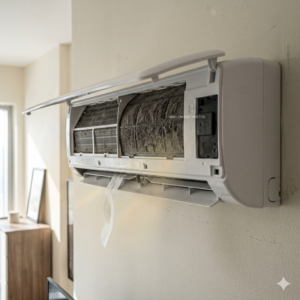
- Visible debris around supply or return vents
- Unexplained increase in dust levels
- Recent renovation or construction work
- History of pest activity in the property
One sign alone does not guarantee a problem, but multiple indicators together strengthen the case for inspection.
#7 Scam Risks and How to Recognize Them
The topic of ducts air duct cleaning unfortunately attracts scams. Understanding what professional service looks like helps protect you.
Common red flags include:
- Prices quoted instantly without inspection
- Claims that all ducts are dangerously contaminated
- Extremely short service times for large properties
- Use of household tools instead of professional equipment
Professional duct cleaning is not a quick surface wipe. It requires time, access, and proper containment. Be cautious of services that sound too easy or too urgent.
#8 Realistic Service Scope and Time Requirements
A major source of misunderstanding is how long duct cleaning should take. The time required depends on:
- Property size and number of duct branches
- Level of contamination
- Accessibility of ductwork
Professional cleaning typically takes several hours for a standard residential property. Rushed jobs are unlikely to address deeper buildup.
Instead of asking for exact prices, it is more practical to ask the service provider to explain the scope of work and what is included. A clear explanation is more valuable than a low number.
#9 When Duct Cleaning Is Truly Necessary
Duct cleaning is not always urgent or mandatory. Knowing when it is truly necessary helps you make a balanced decision.
Situations where duct cleaning is usually justified include:
- After major renovations or construction
- Moving into a previously occupied property
- Evidence of pest infestation
- Visible contamination inside ducts
- Persistent air quality complaints with no other cause
In these cases, cleaning addresses a known or likely source of contamination rather than acting as a precaution.
#10 When Duct Cleaning May Be Optional
There are also situations where duct cleaning is optional rather than essential.
Examples include:
- Newer properties with clean installation history
- Regularly maintained systems with good filtration
- No signs of dust, odor, or airflow issues
In these cases, inspection and preventive maintenance may be sufficient without immediate cleaning.
#11 Energy Efficiency and System Strain Explained Simply
Another concern related to ducts air duct cleaning is energy efficiency. Dust buildup inside ducts can restrict airflow.
Restricted airflow forces the HVAC system to:
- Run longer to reach target temperature
- Work harder against resistance
- Experience uneven pressure distribution
This extra strain can increase energy consumption and accelerate wear. Cleaning ducts does not magically reduce bills, but it can remove one factor that limits system efficiency.
#12 Professional Cleaning Process Versus DIY Limits
Understanding what professionals do differently helps clarify why DIY duct cleaning is limited.
Professional duct cleaning typically includes:
- System isolation to prevent dust spread
- Negative-pressure vacuum equipment
- Mechanical agitation to loosen buildup
- Controlled debris extraction
DIY actions homeowners can safely do are more limited:
- Cleaning visible vent covers
- Replacing or upgrading filters
- Keeping surrounding areas clean
DIY methods cannot reach deep inside ducts and may even push debris further into the system if done incorrectly.
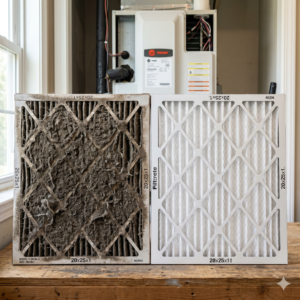
#13 Filter Selection and Its Role in Preventing Buildup
Filters are the first line of defense against duct contamination. Poor filter choice or infrequent replacement allows particles to enter ducts.
General filter guidance includes:
- Choose filters appropriate for your system, not just the cheapest option
- Replace filters regularly based on usage and environment
- Avoid filters that restrict airflow excessively
Balanced filtration protects ducts while maintaining proper airflow.
#14 Daily Habits That Reduce Repeat Contamination
Prevention is often more effective than repeated cleaning. Simple habits help reduce duct contamination:
- Regular housekeeping to reduce airborne dust
- Prompt repair of moisture issues
- Sealing gaps around vents and returns
- Maintaining outdoor air intake areas
These habits reduce the load on ducts and extend the benefits of professional cleaning.
#15 Contractor Vetting and Certification Checks
Choosing the right contractor is critical. Instead of focusing only on price, evaluate professionalism.
Key vetting points include:
- Clear explanation of the cleaning process
- Realistic time estimates
- Willingness to inspect before quoting
- Relevant training or certification
A professional contractor educates rather than pressures.
#16 A Simple Decision Framework for Homeowners
To avoid overthinking, use this quick framework:
- Urgency: Are there clear symptoms or recent contamination events?
- Value: Will cleaning address a known problem?
- Next step: Inspection first, cleaning if justified.
This approach keeps decisions practical and grounded.
Conclusion
ducts air duct cleaning is not about fear or perfection. It is about understanding invisible buildup, recognizing realistic warning signs, and knowing when professional intervention makes sense. By focusing on inspection, scope clarity, and prevention, you can protect indoor air quality, support energy efficiency, and avoid unnecessary services. Informed decisions reduce stress, cost, and uncertainty—helping you maintain a healthier and more comfortable indoor environment.