




Understanding home ac maintenance cost is not just about knowing how much you might pay for a service visit. For most homeowners, the real concern is value: what is included, why prices vary, how maintenance affects monthly energy bills, and whether regular servicing truly saves money in the long run. In hot climates like the UAE, where AC systems run for long hours most of the year, maintenance is not optional—it directly impacts comfort, indoor air quality, electricity usage, and the lifespan of your system.
Table of Contents
ToggleWhat Home AC Maintenance Cost Really Means
When people ask about home AC maintenance cost, they often expect a single number. In reality, maintenance pricing is better understood as a range influenced by system type, condition, timing, and service scope. Two homes with similar AC units can pay very different amounts depending on how the system has been used and maintained over time.
Maintenance cost should be viewed as a preventive investment rather than a repair expense. Regular servicing helps catch small issues early, improves cooling efficiency, and reduces the risk of sudden breakdowns during peak summer months.
Cost Ranges Explained Without Fixed Numbers
Instead of focusing on exact figures, it is more useful to understand typical cost ranges and what drives them. Home AC maintenance cost usually falls into lower, mid, or higher ranges depending on how extensive the service is.
A basic maintenance visit is generally at the lower end of the range. It focuses on inspection, cleaning of easily accessible components, and performance checks. A comprehensive visit sits at the higher end because it involves deeper cleaning, detailed testing, and preventive adjustments.
The key difference is not just price, but how much risk and inefficiency you reduce with each level of service.
Home AC Maintenance Cost by System Type
Central AC Systems
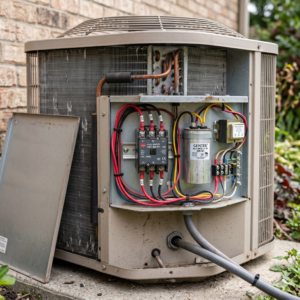
Central AC systems usually have higher maintenance costs compared to smaller units because they involve more components. Ductwork, larger coils, multiple vents, and higher-capacity compressors all require attention.
Maintenance for central systems typically includes:
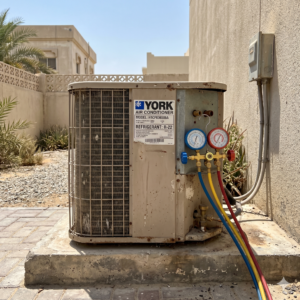
- Inspection of the main air handler and outdoor unit
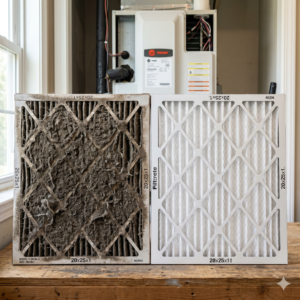
- Filter checks or replacement
- Coil condition assessment
- Airflow and temperature balance checks
If duct hygiene is part of the visit, the scope expands further. In homes where dust buildup is significant, duct-related services can add to the overall cost but also deliver noticeable improvements in airflow and indoor air quality.
Ductless Split Systems
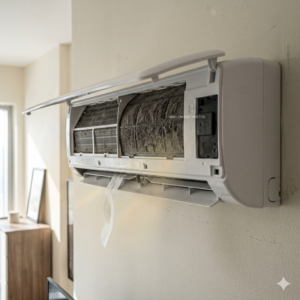
Ductless systems are common in apartments and villas. Their maintenance cost is usually lower than central systems, but it increases with the number of indoor units.
Maintenance tasks often include:
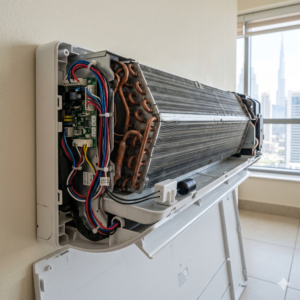
- Cleaning indoor unit filters and covers
- Checking blower and coil cleanliness
- Inspecting drain lines
- Testing cooling performance
While individual units may seem simple, neglecting them can lead to reduced efficiency, odors, and higher electricity consumption.
Heat Pumps
Heat pumps require specialized attention because they operate in both cooling and heating modes. Maintenance cost can be slightly higher due to additional checks needed for reversing valves and dual-mode operation.
For homes using heat pumps, regular maintenance ensures efficient performance in all seasons and prevents wear caused by continuous operation.
What Is Included in Standard vs Comprehensive Maintenance
Standard Maintenance Visit
A standard visit is designed to keep the system running safely and efficiently. It typically includes:
- Basic inspection of indoor and outdoor units
- Filter cleaning or replacement
- Visual check of coils and wiring
- Temperature and airflow testing
This level of service is suitable for newer systems or units that have been maintained regularly.
Comprehensive Maintenance Visit
A comprehensive visit goes deeper and addresses long-term performance. It may include:
- Detailed coil cleaning
- Drain line flushing
- Electrical component checks
- Lubrication of moving parts
- System performance optimization
Although the cost is higher, comprehensive maintenance often prevents expensive repairs and improves energy efficiency significantly.
Key Variables That Affect Home AC Maintenance Cost
Seasonality
Maintenance during peak summer demand often costs more due to high workload and urgency. Scheduling maintenance before summer helps control costs and ensures your system is ready for heavy use.
Emergency vs Scheduled Service
Emergency visits typically cost more than planned maintenance. Scheduled servicing allows technicians to work methodically and reduces the need for after-hours labor.
System Age
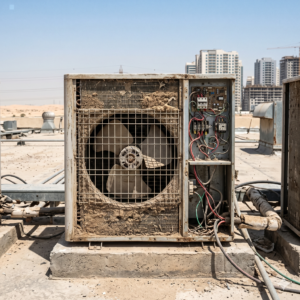
Older systems usually require more time and attention. Wear, dust accumulation, and outdated components increase maintenance complexity and cost.
Refrigerant Type
Different refrigerants require different handling procedures. Systems using older refrigerants may involve higher servicing costs due to availability and regulations.
Location-Based Labor Differences
Labor costs can vary depending on location and accessibility. Homes in high-rise buildings or remote areas may experience slightly higher service charges.
Overall Unit Condition
A well-maintained system costs less to service than a neglected one. Regular upkeep reduces labor time and prevents complications.
Long-Term Return on Investment of AC Maintenance
Energy Efficiency Impact
Clean coils, proper airflow, and optimized settings reduce energy consumption. Even small efficiency improvements can lower monthly electricity bills.
Reduced Monthly Bills
Well-maintained systems run more efficiently and cycle less frequently, leading to consistent savings over time.
Extended System Lifespan
Maintenance reduces wear on major components, helping the system last longer and delaying replacement costs.
Avoided Major Repairs
Early detection of issues prevents minor problems from becoming major repairs.
Warranty Protection
Many manufacturers require regular professional maintenance to keep warranties valid. Skipping maintenance can void coverage.
DIY vs Professional AC Maintenance: Clear Boundaries
What Homeowners Can Safely Do
- Clean or replace filters regularly
- Keep outdoor units free of debris
- Monitor thermostat settings
What Should Never Be DIY
- Refrigerant handling
- Electrical component repairs
- Internal coil disassembly
Attempting these tasks can damage the system or create safety hazards.
Scannable Decision Aids to Control Maintenance Costs
Maintenance Package Comparison
| Package Type | Best For | Main Benefit |
|---|---|---|
| Standard | Newer systems | Basic efficiency and safety |
| Comprehensive | Older or heavily used systems | Performance optimization and prevention |
Warning Signs That Require Immediate Service
- Burning or electrical smells
- Water leaks around units
- Sudden loss of cooling
- Unusual loud noises
How Often and When to Schedule Maintenance
Most homes benefit from maintenance at least once a year, ideally before peak summer. Homes with heavy usage or older systems may require twice-yearly visits.
Why Professional Maintenance Matters for Homeowners
Professional maintenance focuses on safety, efficiency, and long-term savings. At Bio On Air, maintenance is approached as a preventive service that helps homeowners understand their system condition, reduce risks, and avoid unnecessary expenses. You can explore how structured care works through AC maintenance and AMC services, which are designed to balance cost control with system reliability.
Conclusion
Home AC maintenance cost is best understood as a range influenced by system type, timing, and service scope. Focusing only on price can be misleading. What truly matters is what you receive in return: lower energy bills, fewer breakdowns, healthier indoor air, and a longer system lifespan.
By scheduling maintenance proactively, choosing the right service level, and understanding which tasks require professional handling, homeowners can control expenses over time. In climates where AC is essential, regular maintenance is not just a cost—it is a practical investment in comfort, safety, and long-term savings.