




Knowing when to do AC maintenance is one of the most common questions people ask after experiencing sudden cooling problems, rising electricity bills, or repeated AC breakdowns. Many homeowners wait until the AC stops working, while others service it randomly without understanding timing, usage patterns, or warning signs. In a hot climate like the UAE, proper maintenance timing is not about routine alone—it is about preventing stress on the system, protecting indoor air quality, and avoiding costly damage during peak demand.
Table of Contents
ToggleThe Golden Timing for AC Maintenance Before Peak Demand
The most effective time to perform AC maintenance is before peak usage begins, not after problems appear. In the UAE, peak demand typically aligns with long, hot seasons when AC systems run for extended hours every day.
Maintaining your AC before peak demand matters because:
- Components are less stressed, making issues easier to detect and fix.
- Technicians can perform thorough inspections instead of emergency fixes.
- Your system enters heavy-use periods in optimal condition.
Waiting until peak heat arrives often means your AC is already operating under strain. Dust buildup, weak airflow, or minor electrical issues that could have been handled earlier may now cause sudden shutdowns or performance drops.
Think of maintenance timing like preparing a vehicle before a long trip. Servicing after the journey begins increases the risk of breakdowns at the worst possible moment.
How Usage Intensity Affects Maintenance Frequency
Understanding when to do AC maintenance also depends on how intensively your system is used. Not all AC usage is equal.
Maintenance frequency should increase when:
- The AC runs most of the day or night.
- Multiple rooms rely on one central system.
- The AC cools spaces with frequent door opening, such as offices or retail units.
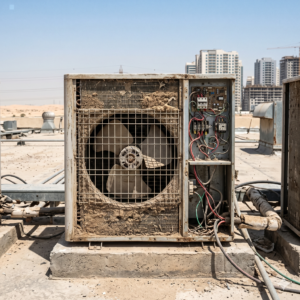
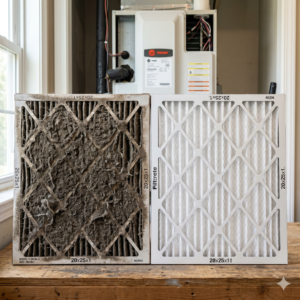
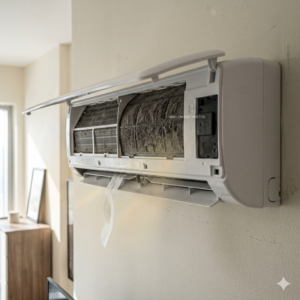
Heavy usage accelerates wear on fans, coils, and electrical components. Filters clog faster, airflow becomes restricted, and efficiency drops quietly over time.
Light usage systems may appear to work fine longer, but even then, internal dust and moisture can build up. The key is aligning maintenance timing with real usage patterns, not assumptions.
Clear Signs That AC Maintenance Is Due Now
Many people ask when to do AC maintenance because they feel something is off but cannot pinpoint the issue. A simple way to assess your AC condition is using the listen–smell–feel method.
Listen: Unusual Sounds
Pay attention to new or changing noises. Clicking, rattling, buzzing, or grinding sounds often indicate loose components, fan issues, or electrical strain. These sounds rarely disappear on their own and usually worsen with continued operation.
Smell: Odors From the AC
Musty smells may indicate moisture buildup or microbial growth inside the system. Electrical or burning odors suggest wiring or component issues that should not be ignored.
Odors are not just unpleasant—they can signal air quality risks or safety concerns.
Feel: Airflow and Cooling Consistency
Weak airflow, uneven cooling between rooms, or longer cooling cycles are strong indicators that maintenance is overdue. These symptoms often appear gradually, making them easy to dismiss until performance drops significantly.
If any of these signs appear, maintenance should not be delayed. Early servicing prevents escalation into repair-level problems.
Why Routine Maintenance Protects Efficiency and Energy Costs
One of the biggest misconceptions about when to do AC maintenance is that it is only necessary when something breaks. In reality, maintenance is most valuable when the system still appears functional.
Routine maintenance helps by:
- Keeping coils clean so heat exchange remains efficient.
- Ensuring airflow is balanced and unrestricted.
- Reducing electrical strain caused by dirty or worn components.
When efficiency drops, the AC compensates by running longer cycles. This increases energy consumption and accelerates component wear. Over time, small inefficiencies can lead to major failures.
Maintenance acts as a preventive layer, stopping efficiency loss before it becomes expensive or disruptive.
Maintenance vs Repair: Knowing the Difference
Many people confuse maintenance with repair. Understanding the difference helps clarify when to do AC maintenance versus when repair is required.
Maintenance focuses on prevention and optimization. It includes cleaning, inspection, adjustment, and performance checks.
Repair addresses existing damage or malfunction, such as failed components or system shutdowns.
Delaying maintenance often pushes the system into repair territory. At that point, costs, downtime, and inconvenience increase.
When issues go beyond routine care, professional AC repair may be required, especially for electrical faults or mechanical failures.
DIY AC Care vs Professional Maintenance
Homeowners often ask what they can safely do themselves and when professional help is needed.
What Homeowners Can Handle
- Cleaning or replacing air filters.
- Keeping vents unobstructed.
- Monitoring thermostat settings.
These tasks support system health but do not replace professional maintenance.
What Requires Professional Servicing
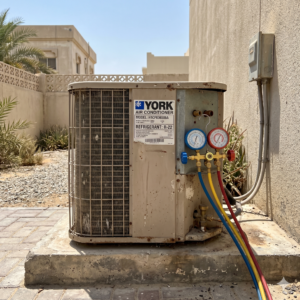
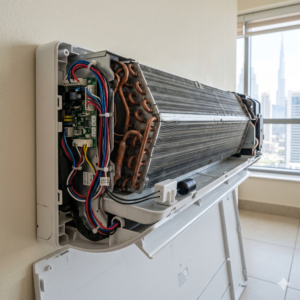
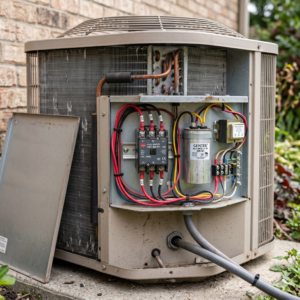
- Internal coil cleaning.
- Electrical inspections.
- Refrigerant checks.
- Drain line and moisture control.
These tasks require tools, training, and safety procedures. Improper handling can cause damage or safety risks.
Professional servicing ensures maintenance is thorough, safe, and effective.
How Lifestyle and Environment Affect Maintenance Timing
The right answer to when to do AC maintenance varies based on lifestyle and environment.
Standard Households
Homes with moderate AC usage benefit from regular seasonal maintenance, ideally before heavy usage periods.
Heavy AC Usage Homes
Homes where AC runs almost continuously should consider more frequent maintenance to manage accelerated wear.
Homes With Pets
Pet hair and dander clog filters faster and reduce airflow. Maintenance should be more frequent to protect air quality and efficiency.
Coastal or Humid Areas
Humidity increases moisture buildup, raising the risk of corrosion and mold. Timely maintenance helps control these issues.
Health-Sensitive Occupants
Homes with children, elderly residents, or allergy sufferers benefit from proactive maintenance that prioritizes air cleanliness.
In such cases, maintenance may also include hygiene-focused services like AC deep cleaning when internal contamination is present.
Common Myths That Delay AC Maintenance
Several myths cause people to postpone maintenance unnecessarily.
“The AC Is Cooling Fine, So It Does Not Need Maintenance”
Cooling alone does not indicate system health. Efficiency, airflow, and internal cleanliness matter.
“Maintenance Is Only Needed Once a Year”
Usage intensity and environment matter more than calendar dates.
“Maintenance Is Too Expensive Compared to Repair”
Maintenance reduces the likelihood of major repairs and helps avoid unexpected costs.
“DIY Cleaning Is Enough”
Surface cleaning cannot address internal components where most problems develop.
How Maintenance Prevents Major Component Failure
Compressors, motors, and control boards are among the most expensive AC components. These parts rarely fail suddenly without warning.
Maintenance helps detect:
- Overheating caused by restricted airflow.
- Electrical irregularities.
- Mechanical imbalance.
Addressing these early prevents catastrophic failure during peak usage.
When Maintenance Is Not Enough
If maintenance reveals advanced wear, persistent leaks, or system imbalance, further action may be needed.
This could include:
- Targeted repair.
- System adjustment.
- Replacement planning for aging units.
Understanding AC installation and replacement options helps when maintenance alone no longer delivers reliable performance.
When to Do AC Maintenance to Avoid Emergency Situations
Emergency breakdowns often occur because maintenance was postponed. Servicing before signs escalate reduces the risk of sudden failure during the hottest days.
Preventive maintenance also improves predictability. You know when servicing happens, rather than reacting to emergencies.
When AC Maintenance Should Be Addressed Properly
Ignoring maintenance can lead to declining air quality, rising energy use, and unexpected breakdowns. Bio On Air helps manage these risks through structured inspections, safe procedures, and clear communication. Acting early supports comfort, health, and long-term efficiency. If you want guidance on your AC condition or the right timing for maintenance, you can use the WhatsApp or Call button at the top right of this page to speak with our team.
Conclusion
Knowing when to do AC maintenance is about understanding timing, usage, and warning signs—not following a fixed rule. The best moment is before peak demand, when the system is still stable and small issues are easier to address.
Listening to sounds, noticing odors, and feeling airflow changes provide clear signals that maintenance is due. Aligning service frequency with lifestyle, environment, and health needs ensures your AC remains efficient and reliable.
Maintenance is not an unnecessary expense. It is a preventive step that protects comfort, indoor air quality, and long-term system health. In a climate where AC is essential, proactive maintenance is one of the smartest decisions a homeowner can make.