




ac maintenance cleaning is often misunderstood as something you only do when the AC stops cooling. In reality, cleaning is a preventive action that protects airflow, indoor air quality, and system efficiency long before a breakdown happens. Many AC problems start quietly—weak airflow, unusual smells, or higher electricity usage—and by the time the system fails, cleaning alone is no longer enough. This guide is designed to help you recognize early warning signs, understand what you can safely clean yourself, know when professional cleaning is necessary, and avoid the hidden costs of neglect.
Table of Contents
ToggleEarly Warning Signs That AC Maintenance Cleaning Is Needed
One of the biggest pain points for homeowners and tenants is not knowing when cleaning is actually required. AC systems rarely fail suddenly without warning. Most of the time, they give small signals that are easy to ignore.
Common early warning signs include:
- Weak airflow: Air comes out, but it feels soft, uneven, or slower than usual.
- Unpleasant odors: Musty, dusty, or sour smells when the AC starts running.
- Rooms taking longer to cool: The AC runs longer just to reach the same temperature.
- More dust indoors: Surfaces get dusty again shortly after cleaning.
- Increased electricity usage: Bills rise even though usage habits have not changed.
These signs often point to airflow restriction, internal contamination, or heat exchange problems—issues that cleaning is meant to address early, before they strain the system.
Fast Diagnostic Checklist Before You Decide
Before jumping to conclusions, a quick diagnostic checklist can help you decide whether routine cleaning might solve the issue or if deeper inspection is needed.
- Does airflow feel weaker than it did a few months ago?
- Do smells appear only when the AC starts?
- Is one room cooling slower than others?
- Has the filter not been cleaned or replaced recently?
- Is the AC running longer without improving comfort?
If you answer “yes” to more than one of these, ac maintenance cleaning is likely overdue. Acting at this stage can prevent the problem from escalating into a repair issue.
Where DIY AC Maintenance Cleaning Is Safe
Many people worry that touching the AC will cause damage. The truth is that some cleaning tasks are safe and even recommended for users, as long as boundaries are respected.
Safe DIY tasks usually include:
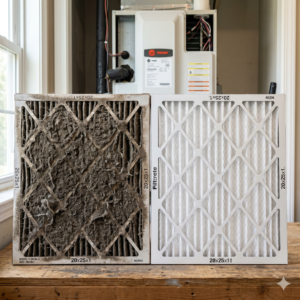
- Filter cleaning or replacement: This is the most basic and important task.
- Wiping visible vents: Removing surface dust from supply and return vents.
- Keeping the area around the indoor unit clean: Preventing dust buildup near air intake.
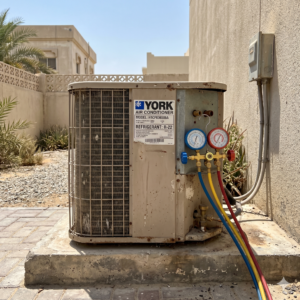
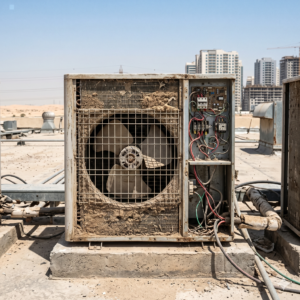
- Ensuring outdoor unit clearance: Removing leaves or objects blocking airflow.
These actions help maintain basic airflow and reduce strain on the system. However, DIY cleaning should stop at what is visible and easily accessible.
Clear Boundary: What Should Never Be DIY
One of the biggest risks with ac maintenance cleaning is going beyond safe limits. Internal components are sensitive, and improper handling can cause damage, safety risks, or warranty issues.
Tasks that should always be handled by professionals include:
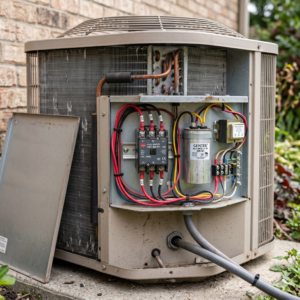
- Cleaning internal coils (evaporator or condenser)
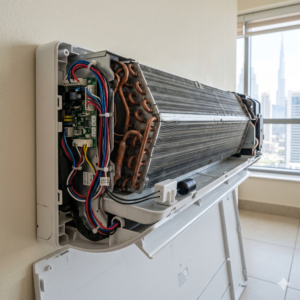
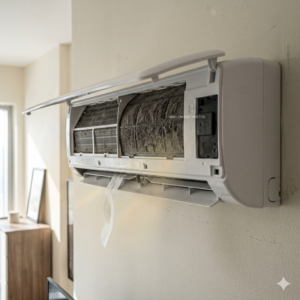
- Opening the indoor unit casing
- Cleaning blower fans or drain pans
- Flushing drain lines with chemicals
- Handling electrical components
DIY attempts in these areas often lead to bent fins, water leaks, electrical faults, or incomplete cleaning that makes the problem worse. This is where professional AC maintenance services or AC deep cleaning become necessary.
Structured AC Maintenance Cleaning Flow by Component
Understanding how cleaning works by component helps you see why timing and method matter. This is not about technical detail, but about knowing what gets cleaned and why.
Air Filters
Purpose: Capture dust and particles before air enters the system.
Cleaning method: Washing or replacement depending on filter type.
Recommended timing: Regularly, especially during heavy usage seasons.
Evaporator Coils
Purpose: Absorb heat from indoor air.
Cleaning method: Professional coil cleaning using proper tools and solutions.
Recommended timing: Periodically or when airflow and cooling efficiency drop.
Blower Fan
Purpose: Push air through the system and into rooms.
Cleaning method: Professional internal cleaning.
Recommended timing: When airflow weakens despite clean filters.
Drain Pan and Drain Line
Purpose: Remove condensation safely.
Cleaning method: Professional flushing and inspection.
Recommended timing: When water leakage or odors appear.
Ductwork (if applicable)
Purpose: Distribute air evenly across spaces.
Cleaning method: Specialized duct cleaning equipment.
Recommended timing: When dust buildup, odors, or uneven airflow are persistent.
In such cases, professional AC duct cleaning may be required as part of overall maintenance.
Hidden Consequences of Skipping AC Maintenance Cleaning
One of the reasons people delay cleaning is that the AC still “works.” But hidden problems often develop long before failure.
Neglecting cleaning can lead to:
- Reduced efficiency: The AC works harder to move air and transfer heat.
- System strain: Fans, motors, and compressors experience extra load.
- Higher operating costs: More energy is used to achieve the same comfort.
- Shortened lifespan: Components wear out faster under constant stress.
- Air quality issues: Dust, mold, and bacteria circulate indoors.
When cost is discussed, it is important to note that cleaning is generally far less expensive than repair or replacement. However, prices can vary depending on system type, condition, and scope. The key takeaway is that delayed cleaning often results in higher total cost later.
Seasonal Timing: When AC Maintenance Cleaning Makes Sense
Timing matters in ac maintenance cleaning. Cleaning is most effective when done before problems escalate.
General seasonal guidance includes:
- Before peak summer: Prepare the system for heavy use.
- After long usage periods: Remove accumulated dust and moisture.
- After renovation or occupancy changes: Construction dust often enters the system.
Waiting until the AC fails during peak heat often limits options. Preventive cleaning gives you control over timing and reduces emergency situations.
Common Myths About AC Maintenance Cleaning
Several myths cause people to delay or skip cleaning altogether.
“If the AC is cooling, it does not need cleaning”
Cooling can still happen even when airflow and efficiency are compromised. By the time cooling drops noticeably, internal strain may already be significant.
“Filter cleaning is enough”
Filters are important, but they are only one part of the system. Internal components still accumulate dust and moisture over time.
“Cleaning is only needed when there is a problem”
Cleaning works best as a preventive measure. Reactive cleaning often comes too late to avoid repair.
When Routine Cleaning Is Enough and When Professionals Are Needed
Routine DIY cleaning is usually enough when:
- Airflow improves after filter cleaning
- No odors or leaks are present
- The system responds normally after basic maintenance
Professional servicing becomes necessary when:
- Airflow remains weak despite clean filters
- Odors persist or worsen
- Water leakage appears
- Electricity usage continues to rise
At this stage, professional AC maintenance or deeper cleaning is the safer option to prevent damage.
When AC Maintenance Cleaning Should Be Handled Properly
AC maintenance cleaning issues rarely resolve on their own. Ignoring early signs can lead to reduced air quality, higher operating costs, and system damage that eventually requires repair. Bio On Air helps address these risks through structured inspection, safe cleaning methods, and clear explanations so you understand what your system actually needs. Acting early is a preventive decision that protects comfort and efficiency. You can use the WhatsApp or Call button at the top right of this page to discuss your AC condition with our team.
Conclusion
ac maintenance cleaning is not about reacting to failure—it is about preventing it. By recognizing early warning signs, respecting the boundary between safe DIY tasks and professional work, and understanding how each AC component benefits from proper cleaning, you gain control over comfort, air quality, and long-term costs.
When cleaning is done at the right time, it reduces strain on the system, supports healthier indoor air, and lowers the risk of unexpected breakdowns. Instead of waiting for problems to appear, treating AC maintenance cleaning as routine care helps your system perform reliably through demanding seasons and avoids the stress of emergency repair later.