




Split AC maintenance is often ignored until something goes wrong—cooling weakens, water starts dripping, or the unit smells unpleasant. In hot climates, proper maintenance is not only about comfort but about preventing breakdowns, avoiding mold growth, reducing energy waste, and extending the system’s lifespan. This guide gives you a clear, safe, and practical DIY checklist, explains the technical reasons behind each step, and helps you understand when it is time to stop DIY and call a professional.
Table of Contents
ToggleWhy Split AC Maintenance Matters More Than You Think
A split AC system works by continuously circulating air, removing heat and moisture from your indoor space. Over time, dust, humidity, and normal wear affect this process. When maintenance is skipped, the system compensates by working harder. This leads to higher electricity consumption, uneven cooling, and eventually component failure.
Many common problems—such as water leaks, bad odors, or weak airflow—are not sudden failures. They are the result of gradual buildup and neglect. Regular split AC maintenance interrupts this cycle early, when issues are still easy and safe to manage.
Immediate DIY Split AC Maintenance Checklist
The following checklist covers tasks that are generally safe for homeowners and tenants to perform without technical tools. Always turn off the power from the main switch before starting any maintenance.
Safe Filter Removal and Cleaning
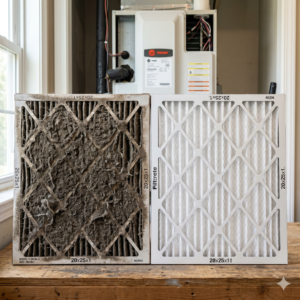
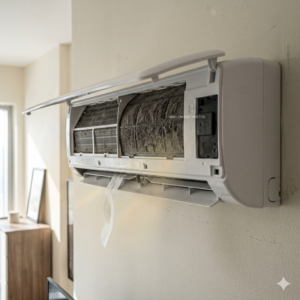
Air filters are the first line of defense against dust. When clogged, they restrict airflow and force the system to work harder.
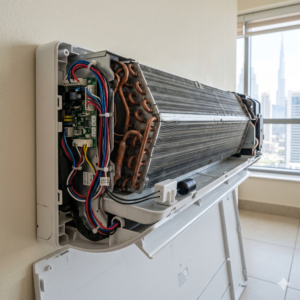
- Open the indoor unit front panel gently.
- Slide out the filters without bending them.
- Wash filters using clean water and mild soap if needed.
- Rinse thoroughly to remove all detergent residue.
- Allow filters to dry completely in a shaded, ventilated area.
Complete drying is critical. Installing damp filters creates a perfect environment for mold growth inside the unit, which can later cause odors and air quality problems.
Indoor Unit Surface Wiping
Dust accumulates on the indoor unit casing and air intake area. This dust can be pulled back into the system.
- Use a dry or slightly damp microfiber cloth.
- Wipe the front panel, louvers, and visible plastic surfaces.
- Avoid spraying water directly into the unit.
This step helps reduce dust circulation and keeps the air intake cleaner between deeper maintenance sessions.
Vent and Louver Dust Removal
Air vents and louvers guide airflow into the room. Dust buildup here disrupts airflow direction and efficiency.
- Use a soft brush or vacuum with a brush attachment.
- Gently clean along the edges and fins.
- Do not force or bend the louvers.
Proper airflow distribution improves comfort and reduces uneven cooling.
Outdoor Condenser Clearance
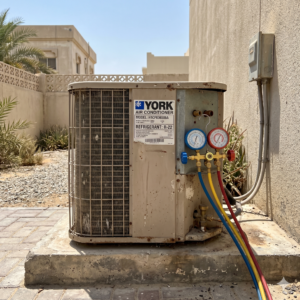
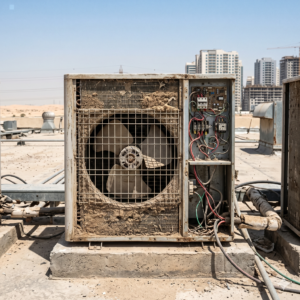
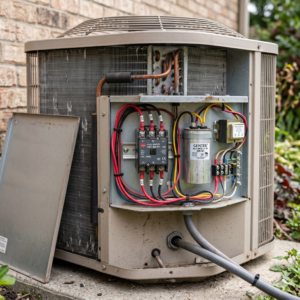
The outdoor unit releases heat absorbed from indoors. If airflow is blocked, heat transfer becomes inefficient.
- Remove leaves, debris, or objects around the unit.
- Ensure at least clear space on all sides.
- Do not cover the unit while operating.
Restricted airflow forces the compressor to work harder, increasing energy use and wear.
The Technical Reasons Behind Split AC Maintenance
Understanding why maintenance matters helps you recognize early warning signs and avoid unnecessary actions.
How Dirty Filters and Coils Increase Energy Use
Heat transfer relies on clean surfaces. When filters and coils are dirty, airflow is reduced and heat exchange becomes inefficient. The AC compensates by running longer cycles.
This leads to:
- Higher electricity consumption
- Slower cooling response
- Increased strain on the compressor
Over time, this extra workload shortens component lifespan.
Why Condensate Drain Blockages Cause Water Leaks
As your split AC cools air, it removes moisture. This moisture collects and drains through a small pipe. Dust, algae, or debris can block this drain.
When blocked:
- Water backs up inside the indoor unit
- Leaks appear on walls or floors
- Moisture encourages mold growth
Basic maintenance reduces debris entering the drain, but internal blockages often require professional tools.
Refrigerant Is Not Consumed
A common misconception is that refrigerant needs routine refilling. In a properly sealed system, refrigerant does not get used up.
Low refrigerant levels indicate:
- A leak in the system
- Improper previous servicing
Refilling without fixing the leak only provides temporary cooling and leads to repeated problems.
DIY Tasks Versus Professional Split AC Maintenance
Knowing where to stop DIY maintenance protects your system and your safety.
Tasks Suitable for DIY
- Filter removal, washing, and full drying
- Surface wiping of indoor unit
- Vent and louver dust removal
- Clearing debris around the outdoor unit
These tasks improve airflow and hygiene without disturbing internal components.
Tasks That Require Professional Service
- Refrigerant leak detection
- Electrical inspection and testing
- Internal coil cleaning with jet-pressure equipment
- Drain line flushing from inside the unit
Attempting these tasks without proper tools and training can cause damage or safety hazards. A professional should explain the issue and the price before starting any work.
Red-Flag Symptoms That Signal You Should Call a Technician
DIY maintenance should stop immediately if you notice any of the following symptoms.
Abnormal Noises
Grinding, rattling, or buzzing sounds can indicate loose components, fan issues, or electrical problems.
Unpleasant or Burning Odors
Musty smells suggest mold or bacterial growth. Burning odors may indicate electrical faults.
Sudden Performance Drops
If cooling weakens significantly even after cleaning filters, deeper issues may exist.
Repeated Water Leaks
Persistent leaks often mean internal drain blockage or coil freezing, which requires professional handling.
Recommended Seasonal Timing for Split AC Maintenance
Timing matters. Maintenance is most effective when done before peak usage.
- Before summer: Clean filters, check airflow, and inspect outdoor clearance.
- Mid-season: Monitor performance and address early signs.
- After heavy usage: Consider professional inspection to reset system condition.
Preventive timing reduces emergency breakdowns during extreme heat.
Energy-Saving Operation Guidance for Split AC Systems
Good maintenance works best when combined with smart usage habits.
Thermostat Practices
- Avoid setting temperatures excessively low.
- Use stable temperature settings instead of frequent changes.
Airflow Optimization
- Keep vents unobstructed.
- Use curtains or blinds to reduce heat gain.
Usage Habits That Extend System Life
- Turn off the AC when rooms are unused.
- Do not repeatedly turn the system on and off within short periods.
These practices reduce stress on components and lower breakdown risk.
When Split AC Maintenance Should Be Handled Properly
Split AC maintenance issues rarely resolve on their own. Ignoring early signs can lead to mold-related air quality problems, rising electricity bills, and permanent component damage. Bio On Air helps address these risks through structured inspection, safe servicing methods, and clear explanations so you understand what your system needs and why. Acting early is a preventive decision that protects comfort and cost. You can use the WhatsApp or Call button at the top right of this page to discuss your split AC condition with our team.
Conclusion
Proper split AC maintenance is about consistency, understanding limits, and acting at the right time. Simple DIY steps like filter cleaning, surface wiping, and outdoor clearance can significantly improve performance and air quality when done correctly and regularly. Just as important is knowing when to stop DIY and seek professional help for tasks involving refrigerant, electrical systems, or deep internal cleaning.
By following a clear checklist, understanding the technical reasons behind maintenance, and adopting smart usage habits, you reduce breakdown risk, save energy, and extend your AC system’s lifespan. In climates where cooling is essential, proactive split AC maintenance is not an extra task—it is a practical way to protect comfort, health, and long-term costs.