




Searching for coil cleaner for ac unit usually means you already suspect that dirt, grease, or buildup inside your AC is reducing its performance. Maybe cooling feels weaker, the AC runs longer than usual, or electricity bills are rising without a clear reason. Coil cleaning is often one of the most effective ways to restore efficiency, but it is also one of the most misunderstood maintenance tasks. Using the wrong cleaner, or using the right cleaner in the wrong way, can damage coils, corrode fins, or even shorten the lifespan of the entire system. This guide explains coil cleaners clearly and practically, so you know what to use, where to use it, and how to stay safe.
Table of Contents
ToggleWhat AC Coils Do and Why Cleaning Them Matters
Before choosing a coil cleaner for ac unit, it helps to understand what coils actually do. Inside every AC system, coils are responsible for heat exchange. They allow heat to move from inside your room to the outside environment.
There are two main coils:
- Evaporator coil (indoor unit): absorbs heat from indoor air.
- Condenser coil (outdoor unit): releases that heat to the outside.
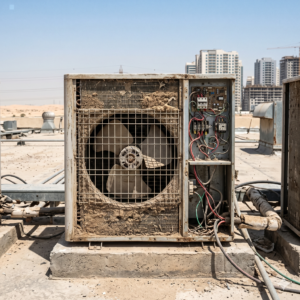
When coils are clean, air flows smoothly across them and heat exchange happens efficiently. When coils are dirty, dust and grease act like insulation. The AC has to work harder, runs longer, and consumes more electricity.
Common signs that coils need cleaning include reduced airflow, longer cooling cycles, uneven room temperature, musty odors, and increased energy usage. In extreme cases, dirty coils can cause icing, overheating, or compressor stress.
Evaporator Coil Cleaner vs Condenser Coil Cleaner
One of the most common mistakes people make is assuming that one coil cleaner for ac unit works for everything. In reality, evaporator and condenser coils have very different environments and cleaning requirements.
Evaporator Coil Cleaners (Indoor Use)
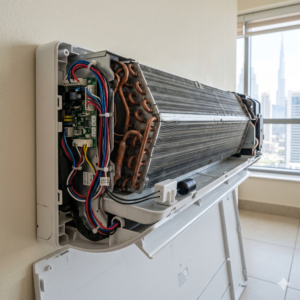
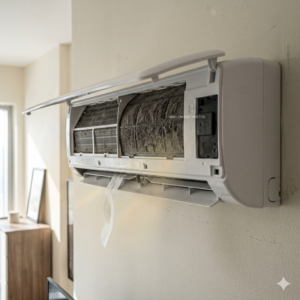
Evaporator coils are located inside the indoor unit, usually behind filters and panels. These coils deal mostly with dust, moisture, and microbial growth rather than heavy grease.
Evaporator coil cleaners are usually:
- Non-acidic and mild
- Low-odor or odorless
- Often labeled as “self-rinsing”
Because evaporator coils naturally produce condensation during operation, many indoor coil cleaners are designed to rinse themselves as moisture forms and drains away. This reduces the need for direct water flushing inside the room.
Using a harsh or acidic cleaner on an evaporator coil can damage the thin aluminum fins, cause corrosion, and introduce harmful fumes into indoor air.
Condenser Coil Cleaners (Outdoor Use)
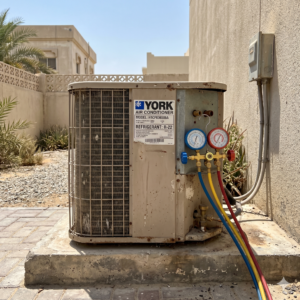
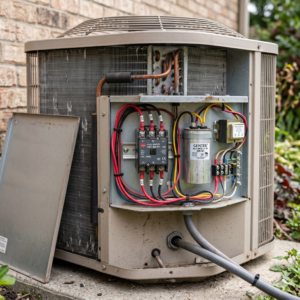
Condenser coils are exposed to outdoor conditions. They collect grease, dirt, dust, grass clippings, and airborne pollutants.
Condenser coil cleaners are usually:
- Stronger than indoor cleaners
- Designed to cut through oil and heavy dirt
- Required to be rinsed thoroughly with water
These cleaners are not suitable for indoor use. They are meant to be flushed away with a hose, and residue left behind can cause corrosion or safety hazards.
Choosing the correct cleaner for the correct coil is critical. Indoor coils need gentle cleaning. Outdoor coils can tolerate stronger chemicals, but only when used correctly.
Types of Coil Cleaners Based on Chemical Composition
Another major decision when selecting a coil cleaner for ac unit is chemical composition. Not all cleaners work the same way, and not all are equally safe.
Non-Acidic / Alkaline Coil Cleaners
These are the most commonly recommended cleaners for residential and light commercial use.
Key characteristics:
- Safe for aluminum coils and fins
- Lower corrosion risk
- Suitable for both evaporator and condenser coils (when labeled accordingly)
Alkaline cleaners work by loosening dirt, grease, and biological buildup so it can be rinsed or drained away. They are generally safer for DIY users and indoor environments.
For most homeowners, non-acidic cleaners are the best starting point.
Acid-Based Coil Cleaners (Brighteners)
Acid-based cleaners are much stronger and are often called “coil brighteners.” They are designed to restore heavily oxidized condenser coils.
However, they come with serious risks:
- Can rapidly corrode aluminum if overused
- Can weaken coil structure over time
- Produce strong fumes that are unsafe indoors
These cleaners are generally used by professionals for specific cases, not routine maintenance. Using acid-based cleaners without experience can permanently damage the coil and shorten system lifespan.
For most residential systems, acid cleaners are unnecessary and risky.
Application Formats: Spray, Liquid, and Powder
Coil cleaners are also sold in different formats. Each format affects ease of use, control, and safety.
Aerosol Spray Cleaners
Spray cans are popular for indoor evaporator coils.
Advantages:
- Easy application
- Controlled spray pattern
- Minimal mixing required
Limitations:
- Higher cost per use
- Limited strength for heavy dirt
Liquid Concentrate Cleaners
Liquid concentrates are common for outdoor condenser coils.
Advantages:
- Cost-effective for regular maintenance
- Adjustable dilution strength
- Suitable for larger coils
Limitations:
- Requires careful mixing
- Incorrect dilution can cause damage
Powdered Coil Cleaners
Powder cleaners are less common for residential use.
They are typically used in commercial settings and require precise mixing and professional handling. For most homeowners, powders add complexity without real benefit.
Step-by-Step Guide to Safe Coil Cleaner Use
Using a coil cleaner for ac unit safely is just as important as choosing the right product.
Step 1: Power Shutdown
Always turn off power at the breaker before cleaning. This prevents electrical hazards and protects components.
Step 2: Access the Coil Carefully
Remove panels gently. Avoid bending fins or forcing covers open.
Step 3: Protect Fins
Coil fins are extremely delicate. Do not scrub aggressively or use hard brushes.
Step 4: Apply Cleaner as Directed
Follow manufacturer instructions exactly. More chemical does not mean better cleaning.
Step 5: Rinse Correctly
Outdoor coils must be rinsed thoroughly with low-pressure water. Indoor coils should only be rinsed if the product specifically allows it.
Step 6: Allow Proper Drainage and Drying
Ensure drain lines are clear and moisture can escape.
Step 7: Restore Power and Test
Once dry, restore power and observe airflow and cooling behavior.
Personal Safety Precautions
Even mild coil cleaners are still chemicals.
- Wear gloves and eye protection
- Avoid inhaling fumes
- Ensure indoor ventilation
- Never mix different cleaners
Safety mistakes can cause skin irritation, respiratory discomfort, or damage to surrounding surfaces.
Common Coil Cleaner Product Categories and What They Are Best For
Rather than focusing on specific brand names, it is more helpful to understand product categories.
- Evaporator self-rinsing sprays: indoor maintenance and light dust removal.
- Non-acidic foaming condenser cleaners: routine outdoor cleaning.
- Heavy-duty alkaline cleaners: greasy outdoor units near roads or kitchens.
- Acid brighteners: severe oxidation cases handled by professionals.
Matching the product category to the problem prevents over-cleaning and damage.
Expected Benefits of Proper Coil Cleaning
Using the right coil cleaner for ac unit delivers multiple benefits:
- Improved airflow
- Shorter cooling cycles
- Lower electricity consumption
- Reduced strain on compressor
- Longer system lifespan
Clean coils also reduce moisture buildup, which helps control mold and odor.
How Often Should AC Coils Be Cleaned?
Frequency depends on environment:
- Dusty areas or near roads: every 6 months
- Normal residential use: once a year
- Heavy usage or commercial spaces: more frequent inspection
Ignoring coil maintenance leads to gradual performance loss that often goes unnoticed until a breakdown occurs.
When DIY Coil Cleaning Is Not Enough
DIY coil cleaning works for light maintenance. However, there are limits.
You should stop and consider professional help if:
- Coils are heavily clogged or greasy
- You notice corrosion or fin damage
- The AC still performs poorly after cleaning
- There is strong odor or suspected mold growth
Professional deep cleaning uses specialized tools and controlled chemicals that are not suitable for casual use.
Conclusion
Choosing the right coil cleaner for ac unit is not about buying the strongest product. It is about understanding your AC system, knowing the difference between indoor and outdoor coils, and matching the cleaner to the real problem. Non-acidic cleaners are safer for routine use, while acid-based products should be reserved for specific professional situations.
When used correctly, coil cleaners restore airflow, improve energy efficiency, and protect expensive components from unnecessary strain. When used incorrectly, they can cause corrosion, damage fins, and shorten system life. By following proper selection and safe usage steps, you can keep your AC running efficiently and avoid problems that cost far more than regular maintenance.