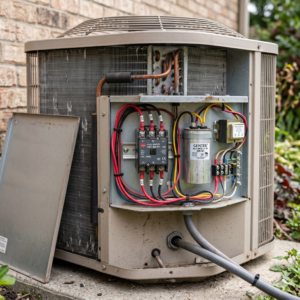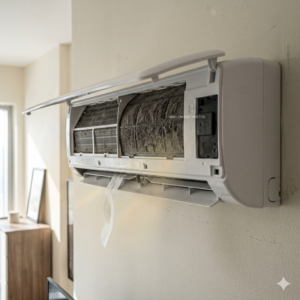





Inverter AC electricity consumption is a common concern for homeowners, tenants, and business owners who want stable cooling without shocking electricity bills. Inverter ACs are widely known as energy-efficient, but many users feel confused when costs suddenly rise or when the savings do not match expectations. This article explains what normal inverter AC electricity consumption looks like, how much it usually costs, the warning signs of unusually high usage, what you can check yourself, and what practical solutions actually work.
Table of Contents
ToggleWhat Is Inverter AC Electricity Consumption
Inverter AC electricity consumption refers to how much electrical energy an inverter-type air conditioner uses over time. Unlike non-inverter ACs that switch fully on and off, inverter ACs adjust compressor speed based on cooling demand. When the room reaches the desired temperature, the compressor slows down instead of stopping completely.
This variable operation is what makes inverter ACs more energy-efficient in normal conditions. However, efficiency depends on correct installation, proper maintenance, and realistic usage patterns. When any of these factors are missing, inverter AC electricity consumption can increase significantly.</ harmonic gains vanish.
Normal Inverter AC Electricity Consumption Range
Understanding what is “normal” helps you quickly identify when something is wrong. Normal inverter AC electricity consumption varies based on capacity, usage hours, and room conditions.
Typical Power Usage by AC Size
Below is a general reference for inverter AC electricity consumption under normal conditions:
| AC Capacity | Average Power Usage | Estimated Daily Consumption (8 hrs) |
|---|---|---|
| 1.0 Ton | 350–700 watts | 2.8–5.6 kWh |
| 1.5 Ton | 450–900 watts | 3.6–7.2 kWh |
| 2.0 Ton | 600–1,200 watts | 4.8–9.6 kWh |
These figures assume stable indoor temperature, clean filters, proper airflow, and correct installation.
Normal Monthly Electricity Cost for Inverter AC
Electricity cost depends on local tariffs, usage hours, and system efficiency. In the UAE, electricity is usually billed per kilowatt-hour (kWh), so higher consumption directly increases cost.
As a general estimate:
- 1.0 ton inverter AC running 8 hours daily may cost a moderate amount monthly.
- 1.5 ton inverter AC used heavily (10–12 hours daily) will cost noticeably more.
- Multiple inverter AC units compound electricity consumption quickly.
If your inverter AC electricity consumption feels unusually high compared to similar homes or previous months, it is a signal to investigate further.
Why Inverter AC Electricity Consumption Can Become High
Inverter ACs are efficient only when operating within proper conditions. Several common factors can push consumption beyond normal limits.
Dirty Filters and Coils
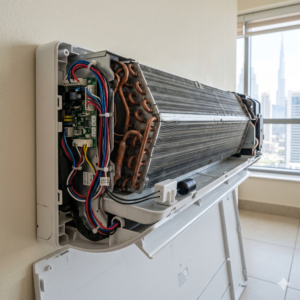
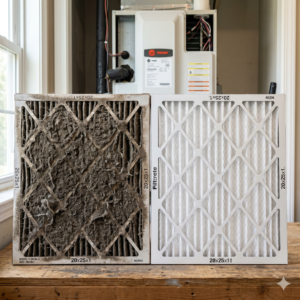
Dust and dirt restrict airflow. When airflow drops, the inverter compressor works harder and longer to maintain temperature, increasing electricity usage.
Improper Temperature Settings
Setting the AC too low (for example 16–18°C) forces the system to operate at high load continuously. Inverter technology saves energy when temperature differences are moderate.
Poor Insulation or Heat Gain
Heat entering the room from windows, walls, or doors causes the inverter compressor to stay active. The AC never reaches a stable low-power mode.
Incorrect AC Size
An undersized inverter AC struggles continuously, while an oversized unit cycles inefficiently. Both cases increase electricity consumption.
Gas Leakage or Refrigerant Issues
Low refrigerant reduces cooling efficiency. The inverter compressor compensates by running longer at higher speed.
Electrical or Sensor Problems
Faulty sensors or control boards prevent accurate temperature regulation, leading to unnecessary power usage.
Signs Your Inverter AC Electricity Consumption Is Abnormally High
Recognizing early warning signs helps prevent prolonged high bills.
- Electricity bill rises suddenly without increased usage.
- AC runs continuously without stabilizing.
- Room takes much longer to cool.
- Cooling feels inconsistent or weak.
- Outdoor unit runs loudly or constantly.
If these symptoms persist, the issue is usually not “normal inverter behavior” but an underlying problem.
What You Can Check Yourself Before Calling a Technician
There are safe, basic checks you can perform before requesting professional service.
Check and Clean Air Filters
Dirty filters are one of the most common causes of high inverter AC electricity consumption. Cleaning or replacing filters every few weeks can restore airflow.
Review Temperature and Mode Settings
Set temperature between 23–25°C and use cooling mode. Avoid unnecessary turbo or boost modes.
Inspect Doors and Windows
Ensure windows and doors are properly sealed to reduce heat entry.
Limit Heat-Generating Appliances
Ovens, heaters, and high-power electronics increase indoor heat load.
Observe Outdoor Unit Condition
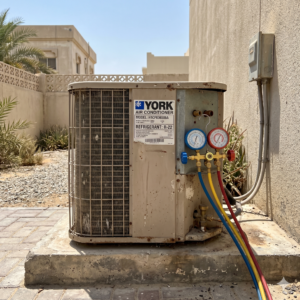
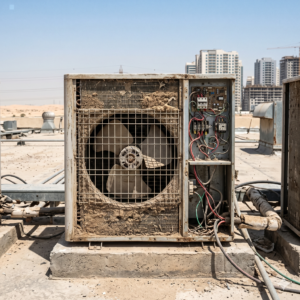
Ensure the outdoor unit has clear airflow and is not blocked by debris.
When DIY Checks Are Not Enough
If inverter AC electricity consumption remains high after basic checks, deeper inspection is needed. Issues like refrigerant imbalance, coil contamination, or electrical faults cannot be solved safely without proper tools.
Professional inspection through AC repair helps identify hidden efficiency problems before they cause long-term damage.
How Maintenance Affects Inverter AC Electricity Consumption
Regular maintenance plays a major role in keeping inverter AC electricity consumption within normal limits.
Maintenance typically includes:
- Filter and coil cleaning
- Drain line inspection
- Electrical and sensor checks
- Refrigerant performance assessment
Without routine care, efficiency slowly drops even if cooling still works. Structured programs like AC maintenance and AMC services are designed to prevent this gradual energy loss.
Does AC Cleaning Reduce Electricity Consumption
Yes, cleaning directly affects inverter AC electricity consumption.
When dust accumulates inside coils and air passages, heat exchange efficiency drops. The compressor compensates by consuming more power.
Depending on contamination level, solutions may include:
- Basic internal cleaning
- Coil cleaning
- Full AC deep cleaning for systems with odor or heavy buildup
Refrigerant and Inverter AC Electricity Consumption
Refrigerant level directly impacts cooling efficiency. Too little refrigerant forces the inverter compressor to operate at higher speeds.
Professional AC gas refill and leak repair ensures proper pressure and prevents recurring energy waste.
Smart Usage Hacks to Reduce Inverter AC Electricity Consumption
Small habit changes can significantly reduce energy use.
- Use ceiling fans to improve air circulation.
- Close curtains during peak sunlight.
- Schedule cooling before peak heat hours.
- Avoid frequent temperature changes.
- Do not switch the AC on and off repeatedly.
When Replacement Makes More Sense Than Repair
In older systems, inverter AC electricity consumption may remain high despite repairs. Aging compressors, outdated technology, or repeated faults may justify replacement.
In such cases, understanding modern AC installation and replacement options helps reduce long-term electricity cost.
When High Electricity Consumption Should Be Addressed Properly
Ignoring abnormal inverter AC electricity consumption can lead to higher utility bills, reduced cooling comfort, poor indoor air quality, and permanent system damage. Bio On Air helps assess consumption issues through proper inspection, safe repair procedures, and practical guidance focused on efficiency and prevention. Acting early helps stabilize costs and protects system lifespan. You can use the WhatsApp or Call button at the top right of this page to discuss your AC performance with our team.
Conclusion
Inverter AC electricity consumption is only low when the system is operating under the right conditions. Normal consumption depends on capacity, usage habits, and maintenance quality. Sudden cost increases are usually a sign of airflow restriction, refrigerant imbalance, electrical issues, or heat load problems—not a flaw in inverter technology itself.
By understanding normal consumption ranges, recognizing early warning signs, performing safe checks, and addressing problems early, you can regain control over your electricity usage. When basic steps are not enough, professional inspection and maintenance help restore efficiency and prevent long-term damage. In climates where AC is essential, managing inverter AC electricity consumption is not just about saving money—it is about maintaining comfort, health, and system reliability.