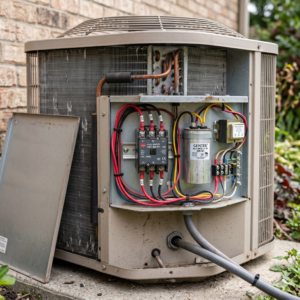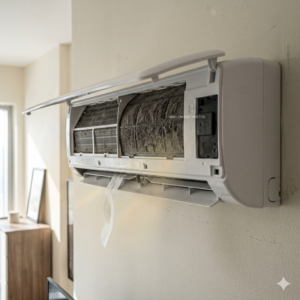





O General AC power consumption is a common concern for homeowners, tenants, and business owners who rely on air conditioning daily, especially in hot climates like the UAE. Many people notice their electricity bills rising without understanding whether the AC is consuming a normal amount of power or if something is wrong. This article explains what normal O General AC power consumption looks like, how much it typically costs, the warning signs of unusually high usage, what you can check yourself, and when professional solutions are necessary to bring energy use back under control.
Table of Contents
ToggleUnderstanding O General AC Power Consumption
O General air conditioners are known for durability and strong cooling performance, but like any AC system, their power consumption depends on several factors. These include the AC type, capacity (tonnage), usage duration, indoor temperature settings, and overall system condition.
Power consumption is usually measured in kilowatt-hours (kWh). This represents how much electricity the AC uses over time. A higher kWh reading on your bill means higher energy usage and cost.
Many users worry because O General units are often perceived as “powerful” and assume that means “power-hungry.” In reality, when operating normally and properly maintained, O General AC power consumption is often within expected ranges for its capacity.
Normal Power Consumption of O General AC Units
To understand whether your AC usage is normal, it helps to know typical consumption ranges. Below are general estimates for commonly used O General AC capacities.
1 Ton O General AC
A 1-ton O General AC is commonly used for small bedrooms or offices.
- Average power usage: 0.9–1.2 kWh per hour
- Daily usage (8 hours): 7.2–9.6 kWh
- Monthly usage (30 days): 216–288 kWh
This range is considered normal when the unit is clean, well-installed, and used with reasonable temperature settings.
1.5 Ton O General AC
A 1.5-ton unit is one of the most common choices for medium-sized rooms.
- Average power usage: 1.3–1.8 kWh per hour
- Daily usage (8 hours): 10.4–14.4 kWh
- Monthly usage (30 days): 312–432 kWh
Usage on the higher end usually indicates longer compressor run times or inefficient operation.
2 Ton O General AC
Used for larger rooms or open spaces, a 2-ton AC naturally consumes more power.
- Average power usage: 1.8–2.5 kWh per hour
- Daily usage (8 hours): 14.4–20 kWh
- Monthly usage (30 days): 432–600 kWh
If your consumption exceeds this range under normal usage, it may indicate inefficiency or system issues.
Estimated Electricity Cost for O General AC Power Consumption
Understanding power usage alone is not enough. You also need to translate it into cost. Electricity tariffs in the UAE vary slightly by emirate, but a common residential rate ranges between AED 0.28–0.38 per kWh.
Example Cost Calculation
Let’s take a 1.5-ton O General AC running 10 hours a day:
- Average usage: 1.6 kWh × 10 hours = 16 kWh/day
- Monthly usage: 16 × 30 = 480 kWh
- Estimated monthly cost: 480 × AED 0.32 ≈ AED 154
If you notice your AC contributing significantly more than this estimate, it is a strong signal that something needs attention.
Why O General AC Power Consumption Becomes High
High electricity bills are often blamed on the AC brand, but in most cases, the real cause lies elsewhere. Here are the most common reasons power consumption increases.
Dirty Filters and Coils
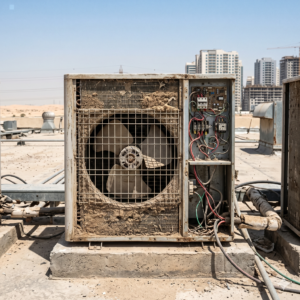
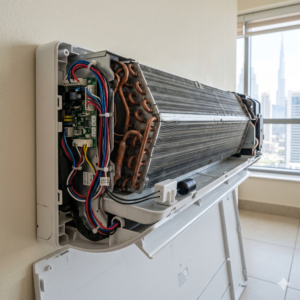
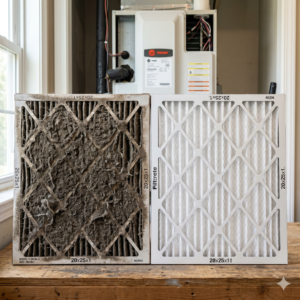
When filters or coils are dirty, airflow is restricted. The AC works harder and runs longer to achieve the same cooling effect, increasing energy use.
Low or Leaking Refrigerant
Low refrigerant levels force the compressor to run continuously. This not only increases power consumption but also risks long-term damage.
Poor Installation or Sizing
An AC that is too small for the room will struggle continuously, while an oversized unit may short-cycle inefficiently. Incorrect installation can also cause airflow imbalance.
Old or Worn Components
As AC units age, components like compressors, fans, and capacitors lose efficiency. This gradually increases energy usage.
Thermostat and Sensor Issues
If the thermostat or temperature sensor is faulty, the AC may misread room conditions and overwork unnecessarily.
Signs Your O General AC Power Consumption Is Abnormally High
Not sure if your AC is consuming too much power? Watch for these warning signs.
- Electricity bills increase suddenly without changes in usage habits
- AC runs continuously but cooling feels weak
- Rooms take much longer to cool than before
- Frequent on-off cycling or no cycling at all
- Warm air blowing intermittently
These symptoms usually indicate inefficiency rather than “normal” high usage.
What You Can Check Yourself to Reduce Power Consumption
Before calling a technician, there are several safe checks and adjustments you can make.
Clean or Replace Air Filters
Dirty filters are one of the easiest causes to fix. Cleaning or replacing them every 2–4 weeks can significantly reduce power usage.
Set a Realistic Temperature
Setting the thermostat too low does not cool the room faster. A setting between 23–25°C usually provides comfort with lower energy consumption.
Seal Doors and Windows
Air leaks allow hot air to enter, forcing the AC to work harder. Proper sealing improves efficiency.
Use Curtains or Blinds
Blocking direct sunlight reduces heat load, especially in rooms with large windows.
Limit Unnecessary Usage
Turn off the AC in unused rooms and avoid running it continuously when cooling demand is low.
Smart Usage Hacks to Lower O General AC Power Consumption
Beyond basic checks, these habits can make a noticeable difference over time.
- Use ceiling fans alongside AC to distribute cool air more evenly
- Schedule AC usage instead of running it all day
- Perform basic cleaning before peak summer months
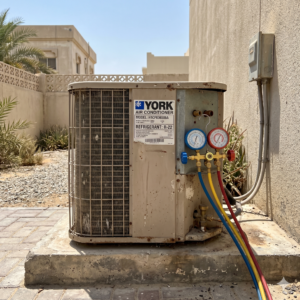
- Keep outdoor units clear of dust and obstructions
These small changes often reduce energy use without affecting comfort.
When DIY Is Not Enough and Professional Help Is Needed
If power consumption remains high despite basic checks, professional inspection becomes important. Some issues cannot be diagnosed visually and require tools and experience.
Professional technicians can:
- Measure actual power draw and system performance
- Check refrigerant levels and detect leaks
- Inspect coils, motors, and electrical components
- Identify airflow or installation-related problems
Addressing these issues early prevents further inefficiency and costly component damage.
Long-Term Solutions to Control O General AC Power Consumption
For long-term efficiency, consider the following strategies.
Regular Maintenance
Scheduled maintenance keeps components clean and operating within designed efficiency levels.
System Upgrades When Necessary
If your AC is very old, newer models may offer better efficiency even at similar capacity.
Professional Energy Assessment
Occasional energy assessments help identify hidden inefficiencies that basic checks miss.
Why Ignoring High Power Consumption Is Costly
Ignoring rising power consumption does not only affect monthly bills. Over time, it can lead to:
- Premature compressor failure
- Higher maintenance and repair costs
- Reduced indoor comfort
- Unnecessary strain on electrical systems
Early action is almost always cheaper than delayed repair.
When AC Power Issues Should Be Addressed Properly
High power consumption is often a sign that your AC system is under stress. If left unresolved, it can affect indoor comfort, air quality, and long-term system reliability. Bio On Air helps identify and resolve the causes of excessive AC power usage through proper inspection, safe servicing, and clear guidance. Acting early helps control energy costs and protects your AC system from avoidable damage. If you want to discuss your AC’s energy performance, you can use the WhatsApp or Call button at the top right of this page to speak with our team.
Conclusion
Understanding O General AC power consumption helps you separate normal energy use from signs of inefficiency. While O General units are designed to deliver strong cooling, excessive power usage usually points to maintenance, installation, or component issues rather than the brand itself.
By knowing normal consumption ranges, recognizing warning signs, applying simple efficiency habits, and seeking professional help when needed, you can keep your AC running efficiently and your electricity bills under control. In a climate where air conditioning is essential, managing power consumption is not just about saving money—it is about maintaining comfort, system health, and long-term reliability.