




HVAC repair emergency situations rarely happen at a convenient time. Cooling stops during peak heat, strange burning smells appear, airflow suddenly drops, or a system shuts down completely while people are inside the building. For homeowners and business owners, the immediate concern is not only comfort, but safety, health, and operational continuity. This article is written to answer the real questions people have during an HVAC emergency: what counts as an emergency, what actions are safe to take immediately, what risks should not be ignored, and how to make informed decisions under pressure.
Table of Contents
ToggleWhat Qualifies as an HVAC Repair Emergency
Not every HVAC issue is an emergency, but some situations require immediate attention because delaying action can lead to safety hazards, health risks, or severe system damage.
An HVAC repair emergency usually involves one or more of the following conditions:
- Total loss of cooling or ventilation during extreme heat
- Electrical burning smells, sparks, or repeated circuit trips
- Water leaking heavily from the system, especially near electrical components
- Strange grinding, screeching, or loud banging noises
- Sudden shutdown in spaces with occupants who are vulnerable to heat
- System failure affecting business operations, equipment, or customer safety
In these situations, the HVAC system is no longer just a comfort appliance. It becomes a risk factor. Knowing when a problem is urgent helps prevent hesitation that could make the situation worse.
Why HVAC Emergencies Are More Serious Than They Seem
Many people underestimate HVAC emergencies because the system often gives small warnings before failing completely. Ignoring those signs can turn a manageable issue into a critical one.
From a homeowner’s perspective, prolonged heat exposure can lead to dehydration, sleep disruption, and respiratory discomfort. For households with children, elderly family members, or people with health conditions, loss of cooling can quickly become dangerous.
For businesses, HVAC emergencies can interrupt operations, damage temperature-sensitive equipment, affect employee productivity, and create unsafe conditions for customers. In retail, hospitality, healthcare, or office environments, a failed HVAC system can result in immediate financial loss and reputational damage.
Emergency repair is not just about restoring comfort. It is about controlling risk.
Immediate Actions You Should Take During an HVAC Emergency
When an HVAC emergency occurs, panic often leads to unsafe decisions. The goal of immediate action is to reduce risk while waiting for professional help.
Turn Off the System If There Are Safety Signs
If you notice burning smells, smoke, sparks, or repeated electrical tripping, turn off the HVAC system immediately at the thermostat and, if safe, at the circuit breaker. Continuing to run the system in this condition can cause electrical fires or permanent component damage.
Manage Indoor Heat and Airflow
If cooling stops but there are no electrical dangers, focus on managing indoor conditions:
- Close blinds and curtains to reduce heat gain
- Limit use of heat-generating appliances
- Use fans to circulate air if available
- Relocate vulnerable occupants to cooler areas if possible
These steps do not fix the problem, but they reduce stress on people and the building while waiting for repair.
Avoid DIY Actions Beyond Basic Safety
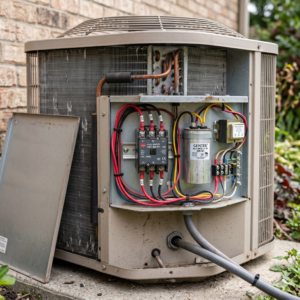
During an emergency, it can be tempting to open panels, touch wiring, or attempt quick fixes. This is risky. HVAC systems combine electricity, pressurized refrigerant, and moving mechanical parts. Incorrect handling can worsen damage or cause injury.
In emergencies, DIY should be limited to safe actions such as turning the system off and ensuring the area around it is clear.
Common Causes of HVAC Repair Emergencies
Understanding what typically causes HVAC emergencies helps both homeowners and businesses prevent future incidents.
Electrical Component Failure
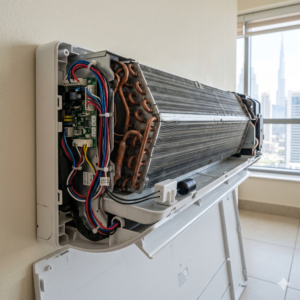
Faulty wiring, failing capacitors, control board issues, or power surges can cause sudden system shutdowns. These issues often show early signs such as flickering operation, unusual noises, or frequent breaker trips.
Refrigerant Leaks
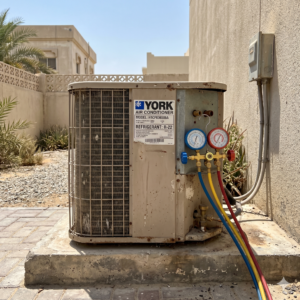
Refrigerant does not get “used up.” If cooling suddenly drops, there may be a leak. Running the system with low refrigerant can overheat the compressor, leading to major failure and high repair costs.
Blocked Airflow and Severe Dirt Buildup
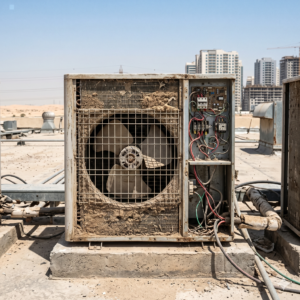
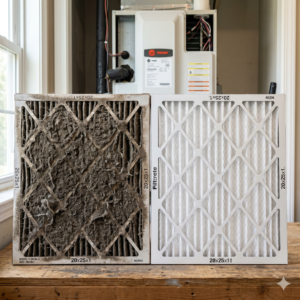
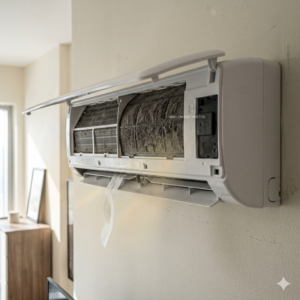
Clogged filters, dirty coils, or blocked ducts restrict airflow. Over time, this causes the system to work harder, overheat, and eventually shut down as a safety measure.
Drainage and Water Damage Issues
Blocked drain lines can cause water to back up into the system. If water reaches electrical components, the system may shut down or create a short circuit.
Mechanical Wear and Sudden Component Failure
Fan motors, bearings, and compressors wear out over time. Without maintenance, these parts can fail abruptly, often during peak usage when stress is highest.
HVAC Repair Emergency Risks You Should Never Ignore
Some risks escalate quickly if ignored, even if the system seems to “partially” work.
- Fire risk: electrical faults can ignite nearby materials
- Health risk: poor ventilation and heat exposure affect breathing and hydration
- Equipment damage: running a failing system can destroy expensive components
- Water damage: leaks can damage ceilings, walls, and flooring
Emergency repair is often cheaper than replacing a system damaged by delayed action.
What Professional Emergency HVAC Repair Involves
During an HVAC repair emergency, professional handling follows a different priority compared to routine service.
Safety First Inspection
The first step is checking electrical safety, refrigerant pressure, and mechanical integrity. The goal is to stabilize the system and prevent further damage.
Temporary Stabilization When Needed
In some cases, the immediate goal is not a full repair but stabilizing the system so cooling or ventilation can resume safely until a complete repair is scheduled.
Clear Explanation of Findings
In emergency situations, clear communication matters. You should understand:
- What failed and why
- What risks exist if repair is delayed
- What options are available now versus later
HVAC Emergency Concerns for Homeowners
Homeowners often worry about cost, safety, and how long the repair will take.
Key homeowner concerns include:
- Keeping children, elderly family members, and pets safe
- Preventing damage to the home
- Avoiding unnecessary replacement
Understanding that emergency repair focuses on safety and function helps reduce stress. Full optimization can often be planned once the emergency is controlled.
HVAC Emergency Concerns for Businesses
Businesses face different pressures during HVAC emergencies.
- Employee safety and productivity
- Customer comfort and trust
- Protection of sensitive equipment or inventory
- Compliance with safety and workplace regulations
In commercial environments, HVAC emergencies can affect multiple zones at once. Fast, structured response minimizes downtime and operational disruption.
Why Delaying Emergency HVAC Repair Can Cost More
Many people delay action hoping the system will recover or that the issue is minor. This often leads to higher costs.
Delays can cause:
- Small electrical faults to damage control boards
- Low refrigerant to destroy compressors
- Water leaks to spread into building structures
- Overworked systems to fail completely
Emergency repair is about stopping damage early, not just fixing symptoms.
How Emergency HVAC Repair Differs From Routine Repair
Routine HVAC repair focuses on performance optimization and prevention. Emergency repair focuses on stabilization and safety.
Emergency service prioritizes:
- Immediate risk reduction
- System shutdown or safe restart
- Temporary solutions when full repair is not immediately possible
Once the emergency phase is resolved, a follow-up repair or maintenance plan usually addresses long-term reliability.
How to Reduce the Chances of Future HVAC Emergencies
Most HVAC emergencies are preventable with basic awareness and maintenance.
Pay Attention to Early Warning Signs
Unusual noises, smells, uneven cooling, or rising electricity bills are early signals. Acting early prevents emergency situations.
Schedule Preventive Inspections
Regular inspections catch wear, leaks, and electrical issues before they cause shutdowns.
Maintain Clean Airflow
Clean filters, coils, and ducts reduce strain on the system and prevent overheating.
Plan for High-Use Seasons
Before peak summer, ensure the system is checked and prepared for continuous operation.
When HVAC Repair Emergency Becomes a Health Issue
In extreme climates, lack of cooling is not just uncomfortable. It can affect hydration, breathing, sleep, and concentration.
In commercial spaces, poor ventilation can increase indoor pollutant levels, affecting employee health and customer comfort.
This is why emergency HVAC repair is closely tied to indoor air quality and health protection.
What to Expect After an Emergency Repair
After the immediate issue is resolved, a responsible service provider usually recommends:
- A detailed follow-up inspection
- Repair of underlying causes
- Preventive maintenance planning
This step ensures the emergency does not repeat.
When HVAC Repair Emergencies Should Be Handled Properly
HVAC emergencies are moments where correct decisions matter most. Electrical risks, heat exposure, and system damage escalate quickly if ignored. Bio On Air handles HVAC repair emergency situations with a focus on safety, clear diagnosis, and responsible solutions for both homes and businesses. Acting early helps protect health, property, and operational continuity. If you are facing an urgent HVAC issue, using the WhatsApp or Call button at the top right of this page allows you to discuss the situation and determine the safest next step.
Conclusion
An HVAC repair emergency is not just a technical problem. It is a situation that affects safety, health, and daily function. Knowing what qualifies as an emergency, what actions are safe to take immediately, and why professional handling matters helps reduce panic and prevent costly mistakes.
For homeowners, emergency HVAC repair protects family comfort and health. For businesses, it protects operations, staff, and customers. In both cases, early response and informed decisions make the difference between a manageable repair and major system failure. Treating HVAC emergencies seriously—and planning to prevent them—is one of the most practical ways to protect your indoor environment in demanding climates.