




When you notice that the AC temperature is not showing on the display or remote, it can be confusing and frustrating, especially when the cooling performance also feels inconsistent. Many people immediately assume the AC is broken, but in reality, this issue can be caused by several different factors ranging from simple settings problems to deeper electrical or sensor-related faults. Understanding why ac temperature is not showing is important because the display is more than just numbers—it helps you control comfort, efficiency, and system safety. This guide explains the most common causes, how to solve them step by step, and when the problem should be handled by a professional to avoid further damage.
Table of Contents
ToggleWhat Does It Mean When the AC Temperature Is Not Showing?
The temperature display on your AC—whether on the indoor unit, wall controller, or remote—reflects communication between sensors, control boards, and the user interface. When the temperature is not showing, it usually means one of three things:
- The AC cannot read the temperature correctly.
- The display or controller is not receiving data.
- The system is intentionally hiding the temperature due to a mode or setting.
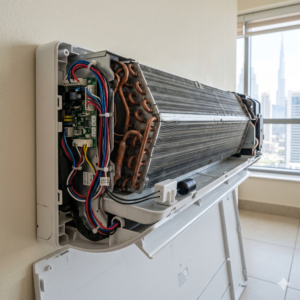
Before jumping into repair, it is important to understand how AC temperature display normally works. Most modern AC systems rely on temperature sensors (thermistors) placed inside the indoor unit to measure room or coil temperature. This data is sent to the control board, then displayed digitally. If any part of this chain fails, the temperature may disappear or freeze.
Check Basic Settings First Before Assuming Damage
One of the most overlooked reasons why ac temperature is not showing is incorrect settings. This is also the easiest place to start because it requires no tools or technical knowledge.
Begin by checking the following:
- Mode selection: Some modes like fan-only, dry mode, or auto mode may hide the temperature display.
- Display or LED button: Many AC remotes have a “display,” “LED,” or “screen” button that turns the temperature display on or off.
- Sleep or energy-saving mode: These modes sometimes dim or remove the display to reduce light and power usage.
If the temperature reappears after adjusting settings, the issue is solved. If not, the problem may be deeper and related to hardware or communication.
Remote Control Issues That Hide the Temperature
The remote control plays a major role in displaying and adjusting temperature. If the remote is faulty, the AC temperature may not show even if the system itself is working.
Common remote-related causes include:
- Low or dead batteries: Weak batteries can cause partial display failure.
- LCD screen damage: Faded or broken segments may hide numbers.
- Incorrect remote mode: Some universal or replacement remotes do not support full display functions.
Try replacing the batteries and resetting the remote. If possible, test the AC with another compatible remote. If the indoor unit shows temperature but the remote does not, the issue is likely isolated to the remote itself.
Indoor Unit Display Panel Problems
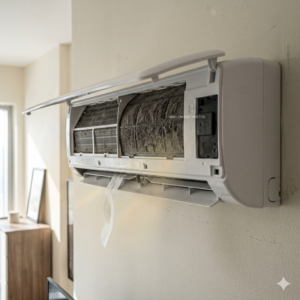
In many AC systems, the temperature is shown directly on the indoor unit. If this display is blank or incomplete, the problem may be related to the display panel.
Possible causes include:
- Loose display cable inside the unit
- Faulty LED or LCD display board
- Power fluctuation damage
In this case, the AC may still cool normally, but you lose visual feedback. While this might seem minor, it can affect how accurately you control the system, especially in extreme weather.
Temperature Sensor (Thermistor) Failure
One of the most common technical reasons why ac temperature is not showing is a faulty temperature sensor. The sensor measures room temperature and sends the data to the control board.
If the sensor is damaged, disconnected, or out of range:
- The AC may not display temperature at all.
- The temperature reading may be frozen or inaccurate.
- The system may behave unpredictably.
Sensor issues often occur due to age, moisture, dust buildup, or wiring problems. This is not a DIY-friendly repair because it requires opening the unit and testing electrical resistance.
Control Board or PCB Issues
The control board (PCB) is the brain of the AC system. It processes signals from sensors and sends information to the display.
If the PCB is damaged or malfunctioning:
- Temperature may stop showing.
- Buttons may not respond correctly.
- The AC may turn on but behave abnormally.
PCB issues are often caused by voltage fluctuations, moisture, insects, or long-term wear. In many cases, repair or replacement is required, and this should only be done by a professional AC technician.
Communication Errors Between Components
In split and central AC systems, communication between indoor and outdoor units is essential. If communication fails, the system may hide temperature information as a safety response.
Signs of communication issues include:
- Error codes on the display
- Temperature not showing or flashing
- System stopping unexpectedly
These issues often require diagnostic tools to identify wiring faults or signal loss.
Power Supply and Voltage Problems
Unstable power supply is a common issue in many buildings. Voltage drops or surges can affect sensitive electronic components.
Power-related causes include:
- Loose power connections
- Tripped internal fuse
- Power board damage
If the AC experienced a recent power outage or fluctuation, resetting the system may temporarily restore the display. However, repeated issues indicate a deeper electrical problem.
Software or Firmware Glitches
Modern AC systems use internal software to manage display and performance. Sometimes, a software glitch can cause the temperature display to disappear.
This can happen after:
- Power interruptions
- Incorrect settings changes
- Long periods of continuous operation
A full system reset—turning off the power from the breaker for several minutes—may resolve the issue. If the problem returns, professional inspection is recommended.
Dirty or Blocked Sensors Due to Dust and Moisture
Dust buildup inside the AC unit can interfere with sensors and internal connections. Moisture can worsen the problem, especially in humid environments.
When sensors are dirty:
- Temperature readings become unreliable.
- The system may hide the display.
- Cooling efficiency drops.
In such cases, proper internal cleaning—not just filter cleaning—is required to restore accurate sensing and display.
When the Problem Is Related to Airflow and Performance
Sometimes, the issue is not the display itself, but system behavior that triggers display limitations. Poor airflow, clogged coils, or internal contamination can cause the system to restrict functions.
Signs include:
- AC runs but room temperature does not change.
- Display is missing or inconsistent.
- System cycles on and off frequently.
In these situations, cleaning and airflow correction are often part of the solution.
DIY Steps You Can Safely Try
Before calling a technician, there are a few safe steps you can try:
- Check and replace remote batteries.
- Turn off the AC from the breaker for 5–10 minutes and restart.
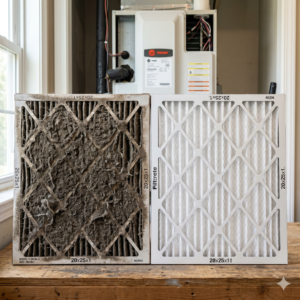
- Clean or replace air filters.
- Check display and LED settings on the remote.
If the temperature still does not show after these steps, it is best to stop DIY attempts. Further action may cause damage or void warranties.
Why Professional Diagnosis Matters
When the AC temperature is not showing, the underlying issue is often electrical or sensor-related. These problems require proper tools and experience to diagnose safely.
Professional AC repair focuses on:
- Testing sensors and wiring accurately
- Checking control board signals
- Ensuring safe electrical handling
- Preventing repeat failures
At Bio On Air, we approach these issues carefully, starting with inspection and clear explanation before any repair. This helps prevent unnecessary part replacement and unexpected costs.
Risks of Ignoring the Problem
Many people ignore missing temperature displays if the AC still cools. This can lead to:
- Poor temperature control and discomfort
- Higher energy consumption
- Hidden damage spreading inside the system
- Sudden complete system failure later
Addressing the issue early is often simpler and more affordable.
How to Prevent This Issue in the Future
Prevention focuses on system care and early action:
- Clean filters regularly to reduce internal dust.
- Avoid continuous operation without breaks.
- Schedule periodic inspections.
- Protect the system from voltage fluctuations.
These habits help maintain accurate sensing, stable display, and efficient cooling.
When AC Temperature Issues Should Be Handled Properly
If the AC temperature is not showing, it is a signal that something is not working correctly inside the system. Ignoring it can affect comfort, air quality, and energy efficiency. Bio On Air helps diagnose and resolve these issues through careful inspection, safe repair methods, and clear communication. Acting early reduces the risk of more expensive repairs later. You can use the WhatsApp or Call button at the top right of this page to discuss your AC issue with our team.
Conclusion
Understanding why ac temperature is not showing helps you respond calmly instead of guessing. While some causes are simple settings or remote issues, others involve sensors, control boards, or electrical faults that need professional attention.
The key is knowing when to stop DIY efforts and seek expert help. A missing temperature display is often an early warning, not a minor glitch. By addressing it properly, you protect your comfort, control energy use, and extend the life of your AC system. In climates where AC is essential, early diagnosis and correct repair are always the safer and more cost-effective choice.