




The term ac temperature rule is often searched when people feel confused about how cold an AC should be, why rooms feel uncomfortable even at low settings, or why electricity bills keep increasing despite “normal” usage. Many users assume colder is always better, while others worry that incorrect temperature settings may harm health or damage the AC system. In reality, AC temperature is governed by practical rules related to human comfort, energy efficiency, system design, and indoor air quality, and understanding these rules helps you stay comfortable without wasting energy or shortening the lifespan of your AC.
Table of Contents
ToggleWhat Is the AC Temperature Rule?
The ac temperature rule refers to recommended guidelines for setting and managing air conditioner temperatures so that cooling is comfortable, energy-efficient, and safe for both people and the AC system. It is not a single fixed number, but a range supported by HVAC engineering, health considerations, and climate conditions.
In simple terms, the rule exists to balance three things:
- Human comfort and health
- Energy efficiency and electricity consumption
- Long-term AC system reliability
Ignoring these rules often leads to common problems such as rooms feeling too cold but still uncomfortable, frequent AC breakdowns, high power bills, or poor indoor air quality.
Why AC Temperature Rules Exist in the First Place
Many people ask why AC temperature should be “regulated” at all. The reason is that air conditioning systems are designed to work efficiently within specific operating ranges. When you push the system outside these ranges, problems start to appear.
AC temperature rules exist because:
- The human body adapts best to gradual temperature differences, not extreme cold.
- AC systems are engineered for certain load conditions, not constant maximum cooling.
- Extreme settings increase wear on compressors, fans, and electrical components.
- Incorrect temperatures can worsen humidity control and indoor air quality.
In hot climates like the UAE, these rules are even more important because AC systems often run for many hours every day.
Recommended AC Temperature Range for Comfort
One of the most common questions related to the ac temperature rule is: “What is the best temperature to set my AC?”
For most residential and office environments, the recommended indoor AC temperature range is:
- 24°C to 26°C for general comfort
- 23°C to 24°C for higher activity levels
- 25°C to 27°C during sleep or long occupancy
This range is considered optimal because it keeps the body comfortable without creating excessive temperature shock between indoor and outdoor environments. Setting temperatures much lower than this does not cool the room faster; it only forces the AC to run longer and harder.
Why Setting the AC Too Cold Is a Bad Idea
A common misconception is that setting the AC to the lowest possible temperature will cool the room faster. In reality, most AC systems cool at a fixed rate. Lowering the setpoint does not increase speed; it only increases run time.
Problems caused by setting the AC too cold include:
- Higher electricity consumption due to longer compressor operation
- Increased strain on the compressor and fan motor
- Dry air that irritates skin, eyes, and throat
- Temperature shock when moving between indoor and outdoor spaces
Over time, extreme cold settings can shorten the lifespan of the AC system and lead to more frequent repair needs.
AC Temperature Rule and Energy Efficiency
The ac temperature rule is closely tied to energy efficiency. Each degree you lower the thermostat below the recommended range can increase energy consumption significantly.
Key energy-related principles include:
- Every 1°C decrease can increase electricity use by up to 5–8%
- Stable temperature settings are more efficient than constant adjustments
- AC systems work best when not forced to run continuously at maximum load
In homes and offices, following proper temperature rules can reduce electricity bills without sacrificing comfort.
AC Temperature Rule for Sleeping Comfort
Many people struggle with sleep quality due to incorrect AC temperature settings. While personal preference varies, certain rules help support better rest.
For sleeping environments:
- Recommended temperature: 24°C to 26°C
- Use fan mode or low-speed airflow to avoid direct cold drafts
- Avoid temperatures below 22°C for extended sleep periods
Extremely cold rooms may cause muscle stiffness, dry throat, or frequent waking, even if the room feels “cool enough.”
AC Temperature Rules for Offices and Workspaces
In offices, the ac temperature rule is especially important because multiple people share the same space and activity levels differ.
Recommended office guidelines:
- Set temperature between 24°C and 25°C
- Ensure balanced airflow to avoid cold spots
- Adjust airflow direction instead of lowering temperature
Offices that set AC temperatures too low often experience employee discomfort, reduced productivity, and higher energy costs.
Humidity Control and the AC Temperature Rule
Temperature alone does not define comfort. Humidity plays a major role. AC systems remove moisture from the air as they cool, but incorrect temperature settings can disrupt this balance.
Problems related to humidity include:
- High humidity causing rooms to feel warm even at low temperatures
- Low humidity causing dry air and irritation
Following proper temperature rules helps AC systems manage humidity more effectively, improving overall comfort.
AC Temperature Rule and Indoor Air Quality
Indoor air quality is often overlooked when discussing AC temperature. However, temperature affects how dust, allergens, and moisture behave inside the system.
Incorrect temperature settings can:
- Encourage condensation and mold growth
- Reduce airflow efficiency
- Circulate stale air due to poor ventilation balance
Maintaining stable, moderate temperatures supports cleaner airflow and healthier indoor environments.
Common Myths About AC Temperature
Several myths cause people to misuse their AC systems:
- Myth: Lower temperature cools faster
Reality: Cooling speed depends on system capacity, not setpoint. - Myth: Very cold rooms are healthier
Reality: Extreme cold can cause discomfort and dryness. - Myth: AC temperature does not affect maintenance
Reality: Incorrect settings increase wear and repair needs.
How to Apply the AC Temperature Rule Correctly at Home
Applying the ac temperature rule does not require technical expertise. Simple habits make a big difference.
- Set the thermostat once and avoid constant changes
- Use curtains or blinds to reduce heat load
- Keep doors and windows closed when AC is running
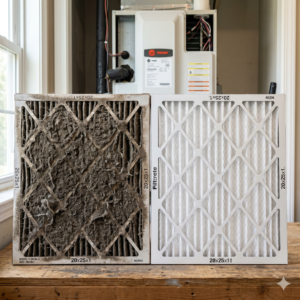
- Ensure filters are clean for proper airflow
These steps help the AC maintain target temperature efficiently.
When AC Temperature Feels Wrong Even at Correct Settings
Sometimes, even when following the temperature rule, rooms still feel uncomfortable. This often indicates underlying issues.
Possible causes include:
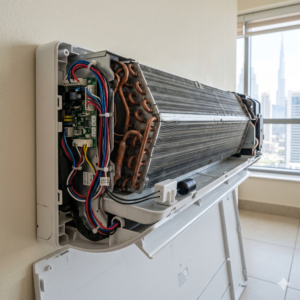
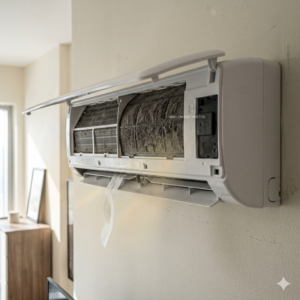
- Dirty filters or coils reducing airflow
- Blocked vents or unbalanced ducting
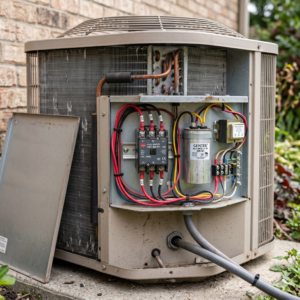
- Low refrigerant or mechanical problems
- Poor insulation or air leaks
In these cases, temperature adjustment alone will not solve the problem.
Why Professional Inspection Matters
If correct temperature settings do not restore comfort, the issue may lie in the AC system itself. Professional inspection helps identify airflow, cleanliness, and performance problems.
Bio On Air helps assess these conditions through proper inspection, safe repair practices, and clear explanations so you understand what your system needs rather than guessing.
When AC Temperature Rules Are Ignored
Ignoring the ac temperature rule often leads to a cycle of discomfort and rising costs.
Long-term consequences include:
- Higher electricity bills
- Frequent AC breakdowns
- Reduced system lifespan
- Poor indoor air quality
When AC Problems Should Be Addressed Properly
Temperature discomfort, poor air quality, and rising energy use are signs that your AC system may need attention beyond simple adjustments. Leaving these issues unresolved can worsen system damage and increase long-term costs. Bio On Air helps address AC performance and air quality concerns through careful inspection, safe servicing, and clear guidance. Acting early is a preventive step that protects comfort, health, and energy efficiency. You can use the WhatsApp or Call button at the top right of this page to discuss your AC condition with our team.
Conclusion
The ac temperature rule exists to help you stay comfortable without sacrificing health, energy efficiency, or system reliability. Setting the AC within recommended ranges, avoiding extreme cold, and maintaining stable conditions support better comfort and lower operating costs.
When temperature settings no longer deliver comfort, it is usually a sign of deeper issues such as airflow imbalance, cleanliness problems, or system wear. Understanding and applying AC temperature rules allows you to make smarter decisions, reduce unnecessary stress on your AC, and enjoy a healthier indoor environment—especially in climates where air conditioning is essential every day.