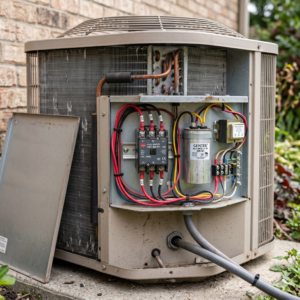
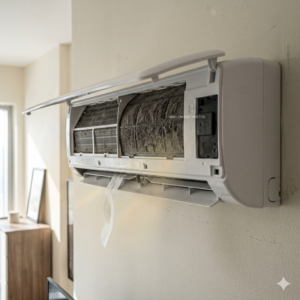
The term split ac hot and cold is commonly searched by homeowners and tenants who want one air-conditioning system that can handle both cooling during extreme summer heat and heating during colder months. In regions like the UAE, where temperatures fluctuate between very hot summers and cooler winters, this type of AC system often appears as a practical all-in-one solution. However, many people are unsure whether the benefits truly justify the cost, how it compares to cooling-only systems, and what long-term considerations they should be aware of before choosing or upgrading to a hot and cold split AC.
This article explains 8 key benefits and cost considerations of split ac hot and cold systems in a clear and realistic way. The goal is to help you understand not only what you gain, but also what you pay for—financially, technically, and in long-term maintenance—so you can decide whether this system is the right fit for your home or business.
Table of Contents
Toggle#1 Year-Round Comfort in One System
The biggest benefit of a split ac hot and cold system is its ability to provide comfort throughout the year using a single unit. Instead of relying on a cooling-only AC for summer and separate heaters for winter, this system combines both functions.
From a practical perspective, this means:
- No need to install or store portable heaters
- Consistent temperature control across seasons
- One thermostat and one control system for both modes
In the UAE, winters may be short, but indoor temperatures can still drop enough to cause discomfort, especially at night or in early mornings. A hot and cold split AC allows you to maintain a stable indoor environment without switching devices.
Cost perspective: While the initial price of a hot and cold system is higher than a cooling-only unit, the cost is often offset by eliminating the need for separate heating devices and their associated electricity usage.
#2 Energy Efficiency Compared to Traditional Heating
One important benefit often overlooked is energy efficiency. Modern split ac hot and cold systems typically use heat pump technology. Instead of generating heat through electrical resistance, they transfer heat from outside air into the room.
This process generally consumes less electricity compared to:
- Electric space heaters
- Oil-filled heaters
- Older central heating solutions
As a result, heating mode on a split AC can be significantly more energy-efficient than many standalone heating devices.
Cost perspective: Lower electricity consumption during heating months can help balance out the higher upfront investment over time, especially for households that use heating regularly.
#3 Space-Saving and Cleaner Interior Layout
A split ac hot and cold system supports a cleaner interior layout. Because heating and cooling are combined, you avoid clutter from multiple devices.
This is particularly beneficial for:
- Apartments with limited space
- Bedrooms and living rooms where aesthetics matter
- Offices that require tidy and professional interiors
There are fewer cables, fewer floor units, and less need for seasonal equipment storage.
Cost perspective: While this does not directly reduce utility bills, it can reduce spending on additional heating appliances and minimize wear on electrical outlets caused by multiple devices.
#4 More Stable Indoor Air Quality
Indoor air quality is often associated with cooling, but heating systems also affect the air you breathe. Many standalone heaters dry out the air or create uneven temperature zones.
A properly installed and maintained split ac hot and cold system offers:
- More even air circulation
- Less localized overheating
- Better humidity balance compared to portable heaters
This is especially important for families with children, elderly occupants, or individuals sensitive to dry air.
Cost perspective: Better air quality can reduce the need for additional humidifiers or air-quality devices, which indirectly saves money and simplifies maintenance.
#5 Flexible Temperature Control for Different Seasons
One of the practical advantages of a split ac hot and cold system is flexibility. Modern units allow precise temperature control, fan speed adjustment, and mode selection.
This flexibility helps you:
- Avoid overheating rooms in winter
- Prevent overcooling during mild weather
- Maintain consistent comfort without frequent adjustments
From a user perspective, this means less manual intervention and fewer sudden temperature changes that cause discomfort.
Cost perspective: Better control often leads to more efficient usage, which can lower long-term electricity costs when compared to systems that run at fixed or excessive power.
#6 Higher Initial Cost Compared to Cooling-Only Split AC
While the benefits are clear, cost is a major consideration. A split ac hot and cold unit typically costs more than a cooling-only split AC.
The higher price is influenced by:
- Additional internal components for heating
- More advanced control systems
- Heat pump technology
Installation costs may also be slightly higher, especially if electrical or structural adjustments are required.
Cost perspective: The upfront cost is higher, but it should be evaluated against long-term usage. For users who regularly need heating, the total cost of ownership may be lower than maintaining separate systems.
#7 Maintenance and Repair Cost Considerations
Maintenance for a split ac hot and cold system is similar to standard split ACs, but with a few additional considerations.
Because the system operates year-round, components may experience more consistent usage. This makes regular maintenance important to avoid performance decline.
Typical cost considerations include:
- Routine filter and coil cleaning
- Seasonal performance checks before winter and summer
- Occasional servicing of reversing valves or control components
Cost perspective: Maintenance costs are not drastically higher, but skipping maintenance can lead to higher repair costs later. Preventive servicing usually costs less than emergency repair.
#8 Long-Term Value and Resale Appeal
From a long-term viewpoint, a split ac hot and cold system can increase property appeal. Many tenants and buyers see year-round climate control as a valuable feature.
This is especially true for:
- Rental apartments targeting families or professionals
- Villas and townhouses
- Office spaces requiring consistent indoor comfort
Cost perspective: While it may not directly increase property price, it can improve rental desirability and reduce vacancy time, which has financial value.
Common Cost Breakdown for Split AC Hot and Cold Systems
To better understand the financial side, it helps to look at cost categories rather than a single price.
| Cost Category | What It Includes |
|---|---|
| Unit Price | Hot and cold split AC unit with heat pump |
| Installation | Mounting, piping, wiring, testing |
| Electricity Usage | Cooling in summer and heating in winter |
| Maintenance | Cleaning, inspection, minor adjustments |
| Repair | Occasional component servicing over time |
This breakdown helps set realistic expectations. The system is not “cheap,” but it offers combined functionality that can reduce overall household equipment costs.
Is Split AC Hot and Cold Worth It for the UAE Climate
This is a common question. In many UAE households, heating is used less frequently than cooling. However, during cooler months, indoor temperatures can drop enough to affect comfort, especially in bedrooms and living areas.
A split ac hot and cold system makes sense if:
- You want one system for all seasons
- You prefer clean, uncluttered interiors
- You value consistent indoor comfort
- You want to avoid buying and maintaining separate heaters
For users who never use heating, a cooling-only system may be more cost-effective. The decision depends on usage habits rather than climate alone.
Preventive Tips to Maximize Benefits and Control Costs
To get the most value from a split ac hot and cold system, preventive habits are essential.
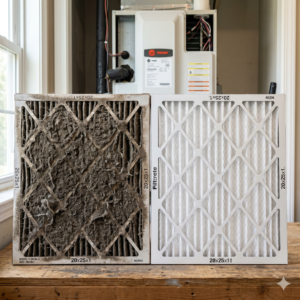
- Clean filters regularly to maintain airflow
- Schedule inspections before peak summer and winter use
- Avoid extreme temperature settings that strain the system
- Ensure outdoor units are clear of obstructions
These steps help maintain efficiency, extend system lifespan, and keep repair costs under control.
When Professional Support Becomes Important
If your split AC hot and cold system shows signs such as weak heating, uneven cooling, unusual noise, or rising electricity bills, professional inspection is recommended.
Ignoring these signs can lead to:
- Reduced indoor air quality
- Higher energy consumption
- Component damage that becomes expensive to repair
Bio On Air supports split AC systems through proper inspection, maintenance, and repair, helping ensure safe operation and long-term reliability. Early action is a preventive choice, not a reactive one. You can use the WhatsApp or Call button at the top right of this page to discuss your system condition with our team.
Conclusion
A split ac hot and cold system offers clear benefits in terms of year-round comfort, energy efficiency, space-saving design, and indoor air quality stability. While the initial cost is higher than cooling-only units, the long-term value can be significant for users who regularly need both heating and cooling.
The key is understanding your actual usage needs and maintaining the system properly. When chosen thoughtfully and serviced regularly, a hot and cold split AC can provide reliable comfort, controlled costs, and a simpler indoor setup for many years.