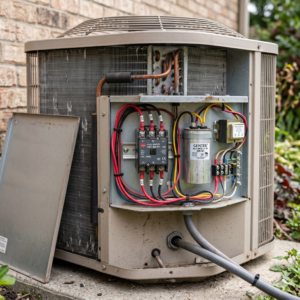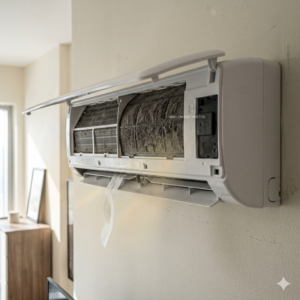





Managing ac service and maintenance costs is a real concern for many homeowners, tenants, and business owners in the UAE. AC systems run for long hours, especially during hot seasons, and without the right approach, service expenses, electricity bills, and unexpected repairs can quickly add up. The good news is that reducing AC-related costs does not always mean cutting corners. In many cases, smart maintenance decisions and early actions can significantly lower your overall budget while keeping comfort and indoor air quality stable. This article shares 10 practical and realistic tips to help you reduce AC service and maintenance costs without sacrificing performance or safety.
Table of Contents
Toggle#1 Fix Small Issues Early Before They Become Expensive Repairs
One of the most common reasons AC budgets spiral out of control is delayed action. Small issues such as weak airflow, unusual noise, or minor water leakage are often ignored because the system is still running. Unfortunately, these early signs usually indicate developing problems.
When minor issues are left unattended, they can lead to:
- Higher strain on motors and compressors
- Increased electricity consumption
- Damage spreading to other components
Addressing small problems early through timely AC repair often costs far less than waiting until a major component fails. Early repair is one of the most effective ways to control long-term AC service and maintenance budgets.
#2 Use Preventive Maintenance Instead of Reactive Service Calls
Many clients only call for AC service when something breaks. This reactive approach usually results in higher costs, emergency call-outs, and inconvenient downtime.
Preventive maintenance focuses on regular inspection, cleaning, and minor adjustments before failures occur. It helps:
- Reduce sudden breakdowns during peak seasons
- Maintain stable cooling performance
- Lower the risk of expensive emergency repairs
Structured programs such as AC maintenance and AMC services are designed to spread costs evenly across the year while preventing large, unexpected expenses.
#3 Keep Airflow Clean to Avoid Overworking the System
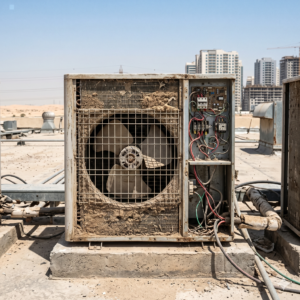
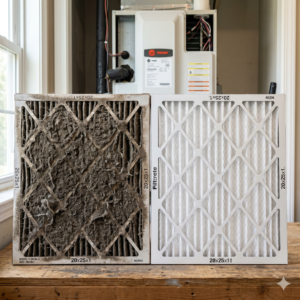
Restricted airflow is a hidden budget killer. When filters, coils, or ducts are clogged with dust, the AC must work harder to deliver the same level of cooling.
Poor airflow often leads to:
- Higher electricity bills
- Faster wear on fans and motors
- Reduced cooling efficiency
Regular filter cleaning and periodic professional AC duct cleaning help maintain smooth airflow. This reduces system strain and extends component lifespan, directly lowering long-term maintenance costs.
#4 Schedule Deep Cleaning at the Right Time, Not Too Often
AC deep cleaning is important, but overdoing it can be unnecessary and costly. The key is timing it correctly based on system usage and condition.
Deep cleaning is most cost-effective when:
- The system has not been thoroughly cleaned for over a year
- Cooling efficiency has dropped despite normal servicing
- Persistent odors or dust circulation appear
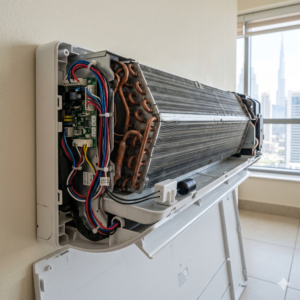
Professional AC deep cleaning restores efficiency and air hygiene, helping you avoid repeated minor service calls caused by internal contamination.
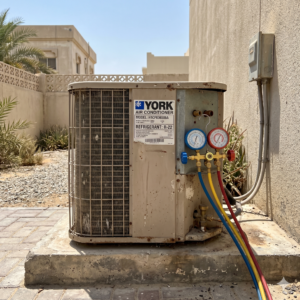
#5 Avoid Repeated Gas Refills by Fixing the Root Cause
Frequent refrigerant refills are a common budget drain. Refrigerant does not get “used up” under normal conditions. If gas levels keep dropping, there is usually a leak or handling issue.
Instead of paying repeatedly for refills, focus on:
- Proper leak detection
- Correct sealing and repair
- Accurate pressure testing
Proper AC gas refill and leak repair prevents recurring costs and protects the compressor from damage caused by low refrigerant levels.
#6 Use the AC System Correctly to Reduce Wear and Tear
How you use your AC system has a direct impact on service and maintenance costs. Continuous operation at extreme settings increases component wear.
Cost-saving usage habits include:
- Setting realistic temperature levels
- Avoiding frequent on-off cycling
- Keeping doors and windows closed during operation
These simple practices reduce mechanical stress and help your AC maintain stable performance with fewer service interventions.
#7 Invest in Minor Upgrades Instead of Replacing the Whole System
Some clients assume that rising maintenance costs mean full system replacement is necessary. In reality, many performance issues can be solved with targeted upgrades.
Examples include:
- Replacing worn fans or motors
- Upgrading thermostats for better control
- Improving airflow balance
Understanding options within AC installation and replacement helps you choose upgrades that reduce costs without committing to full replacement prematurely.
#8 Standardize Service Schedules Across Multiple Units
For clients managing multiple AC units, inconsistent service schedules can increase costs and confusion.
Standardizing service schedules allows:
- Bundled maintenance visits
- More predictable budgeting
- Reduced emergency call-outs
This approach is especially useful for offices, retail spaces, and property managers seeking better control over AC service and maintenance expenses.
#9 Understand Service Pricing to Avoid Unnecessary Add-Ons
Not every AC issue requires a complex or expensive solution. Understanding basic service categories helps you avoid paying for unnecessary work.
Typical cost ranges include:
- Minor servicing and adjustments
- Moderate repairs such as coil cleaning or drain maintenance
- Comprehensive repairs for mechanical or electrical components
Transparent pricing and clear explanations help clients choose only what is necessary for their system’s condition.
#10 Treat AC Maintenance as a Long-Term Cost Control Strategy
The biggest budget-saving mindset shift is viewing ac service and maintenance as an investment rather than an expense.
Consistent maintenance:
- Reduces emergency repairs
- Improves energy efficiency
- Extends system lifespan
Over time, this approach lowers total ownership cost and provides more predictable budgeting.
When AC Service and Maintenance Should Be Taken Seriously
Ignoring AC maintenance can lead to higher electricity bills, declining indoor air quality, and permanent system damage that costs far more to fix. Bio On Air helps clients manage these risks through proper inspection, preventive maintenance, and clear communication. Acting early is a practical step toward budget control, not an unnecessary expense. If you want to review your current AC condition or discuss cost-saving options, you can use the WhatsApp or Call button at the top right of this page to connect with our team.
Conclusion
Reducing ac service and maintenance costs does not require sacrificing comfort or safety. By addressing small issues early, maintaining clean airflow, avoiding repeated gas refills, and adopting preventive maintenance strategies, clients can significantly lower long-term expenses. Smart usage habits and informed service decisions help keep systems efficient and reliable.
In a climate where AC systems work hard year-round, thoughtful maintenance is one of the most effective ways to control budgets, reduce stress, and ensure consistent indoor comfort. With the right approach, AC service becomes a tool for long-term savings rather than a recurring financial burden.