




What does AC maintenance include is a question many people ask only after their system starts acting up—cooling becomes inconsistent, electricity bills rise, or strange smells and noises appear. In reality, AC maintenance is not a single task or a quick visit. It is a structured professional tune-up designed to keep your system efficient, safe, healthy, and reliable, especially in hot climates where AC works almost all year round.
Table of Contents
ToggleWhat AC Maintenance Really Means in a Professional Context
AC maintenance is often misunderstood as simple filter cleaning or a quick check. In a professional context, maintenance is a comprehensive process that looks at the AC system as a whole. It covers electrical safety, mechanical performance, airflow cleanliness, refrigerant condition, and overall system balance.
The main purpose of AC maintenance is prevention. Instead of waiting for parts to fail, maintenance identifies early signs of wear, dirt buildup, imbalance, or stress that can lead to breakdowns during peak usage. This approach protects comfort, reduces unexpected repair costs, and helps the system operate closer to its original design efficiency.
Professional AC maintenance is especially important in regions with long cooling seasons, where systems run for many hours daily. Small issues that might seem harmless can escalate quickly under constant load.
Electrical Inspection and Safety Checks
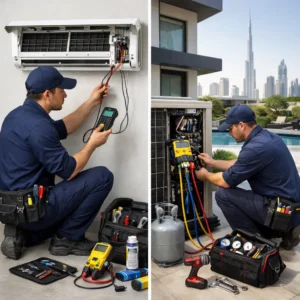
One of the most critical parts of professional AC maintenance is electrical inspection. This is not a homeowner-level task, as it involves live components and system controls.
During electrical inspection, technicians typically review:
- Wiring connections for looseness, corrosion, or heat damage
- Contactors and relays that control power flow
- Capacitors that support motor startup and operation
- Control boards and sensors for abnormal behavior
Why this matters: loose or worn electrical components increase resistance, which generates heat. Over time, this can cause sudden shutdowns, burned parts, or even safety hazards. Skipping electrical checks often leads to failures that seem sudden but were actually developing quietly.
From an efficiency perspective, unstable electrical supply can cause motors to work harder than necessary, increasing energy consumption and shortening component lifespan.
Component Cleaning and System Hygiene
Another major part of what AC maintenance includes is component cleaning. Dust, grease, and moisture are constant enemies of AC performance.
Professional maintenance usually involves cleaning:
- Air filters (or replacing them if needed)
- Evaporator coils where heat exchange happens
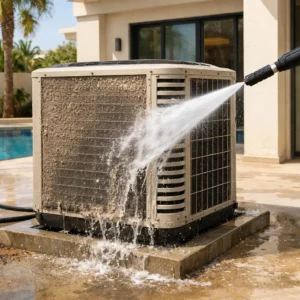
- Condenser coils that release heat outdoors
- Drain pans and drain lines
When coils are dirty, heat transfer becomes inefficient. This forces the system to run longer to achieve the same cooling result. Over time, this leads to higher electricity bills and increased wear on compressors and fans.
Drain system cleaning is equally important. Blocked drain lines can cause water leakage, moisture buildup, and mold growth. This not only damages property but also affects indoor air quality.
If internal contamination is significant, deeper hygiene-focused work such as AC deep cleaning may be recommended as part of maintenance planning rather than basic servicing.
Mechanical Checks and Moving Parts Assessment
AC systems rely on multiple moving parts working in balance. Mechanical inspection ensures that these components operate smoothly without unnecessary strain.
Typical mechanical checks include:
- Fan motors for noise, vibration, and bearing condition
- Blower assemblies for balance and airflow consistency
- Mounting brackets and fasteners for stability
- Belt condition (where applicable)
Why this matters: vibration and imbalance accelerate wear. A slightly misaligned fan can slowly damage bearings, housing, or motor windings. These issues often start quietly and become expensive if ignored.
Mechanical checks during maintenance help identify these risks early, before they turn into breakdowns or require major part replacement.
Airflow Evaluation and Distribution Balance
Airflow is the delivery system of cooling. Even if the AC produces cold air, poor airflow can make rooms feel uncomfortable.
During maintenance, professionals assess:
- Airflow volume at vents
- Blockages or restrictions in air paths
- Return air conditions
- Signs of duct leakage or imbalance
Restricted airflow forces the system to work harder, increasing energy use and stress on components. It can also cause coils to freeze, leading to water leakage once the ice melts.
If airflow issues are linked to duct contamination or design problems, services like AC duct cleaning may be part of a broader maintenance strategy.
Refrigerant Condition Review
Refrigerant is often misunderstood. AC maintenance does not mean automatically adding gas. Instead, it includes checking the condition of the refrigerant circuit.
This typically involves:
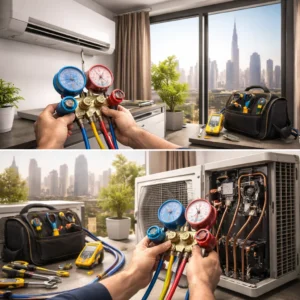
- Checking operating pressures
- Observing cooling performance indicators
- Looking for signs of leakage
Why this matters: refrigerant levels should remain stable. If gas is low, there is usually a leak. Simply refilling without addressing the cause leads to repeated loss, poor cooling, and potential compressor damage.
Professional maintenance identifies whether refrigerant behavior is normal or requires further action, such as AC gas refill and leak repair, rather than treating low cooling as a routine refill issue.
What Homeowners Can Safely Do Versus Professional-Only Work
A clear boundary between homeowner-safe tasks and professional-only work is an essential part of understanding what AC maintenance includes.
Homeowner-safe actions usually include:
- Cleaning or replacing accessible air filters
- Keeping outdoor units free from debris
- Monitoring unusual noises, smells, or performance changes
Professional-only maintenance tasks include:
- Electrical inspection and component testing
- Refrigerant pressure measurement and handling
- Internal coil and blower cleaning
- Control board diagnostics
Attempting professional-level tasks without training increases the risk of electric shock, refrigerant exposure, and accidental system damage. Many costly repairs begin with well-intentioned DIY attempts that go beyond safe limits.
Why Skipping Maintenance Leads to Bigger Problems
One of the most important reasons to understand what AC maintenance includes is to see the consequences of skipping it.
Common outcomes of neglected maintenance include:
- Efficiency loss: dirty coils and restricted airflow increase energy consumption.
- System damage: overheated components and mechanical wear lead to part failure.
- Health issues: mold, bacteria, and dust affect indoor air quality.
- Shortened lifespan: constant stress reduces the overall life of the system.
These issues often appear gradually. By the time a breakdown happens, repair costs are usually higher than the cost of preventive maintenance would have been.
Seasonal Timing and Recommended Maintenance Frequency
Timing is a key part of effective AC maintenance. The best maintenance schedule depends on usage intensity, environment, and system type.
General professional recommendations include:
- Pre-season maintenance before peak summer use
- Mid-season checks for systems running continuously
- Additional inspections for dusty or high-occupancy environments
Scheduling maintenance before peak demand reduces the risk of breakdowns when service availability is limited and temperatures are highest.
For many households and businesses, regular check-ups are more practical than reactive repairs. Structured care through AC maintenance and AMC services helps ensure consistent system health throughout the year.
Cost Transparency: What Affects Maintenance Pricing
Another important concern when asking what AC maintenance includes is cost. While exact prices vary, understanding what affects pricing helps set realistic expectations.
Factors that typically influence maintenance cost include:
- System size and type
- Level of contamination and cleaning required
- Age and condition of components
- Number of units or zones
Basic maintenance may focus on inspection and light cleaning, while more involved visits include coil cleaning, mechanical adjustments, and detailed testing.
Responsible service providers explain scope before work begins and inform customers if additional actions are recommended. This allows decisions to be made with clarity, rather than pressure.
Understanding Maintenance Plans and Long-Term Value
Maintenance plans are designed to simplify care and reduce uncertainty. Instead of paying for individual visits, plans spread maintenance across the year.
The value of maintenance plans typically includes:
- Scheduled inspections and cleaning
- Priority response during peak seasons
- Early detection of issues
- Improved system reliability
From a long-term perspective, maintenance plans help stabilize costs, reduce emergency repairs, and extend equipment lifespan.
Rather than seeing maintenance as an expense, many homeowners and businesses treat it as protection for a high-value system that operates daily.
How AC Maintenance Supports Energy Efficiency
Energy efficiency is closely tied to maintenance quality. Clean coils, balanced airflow, and properly functioning components allow the system to achieve target temperatures faster.
When maintenance is skipped, the AC compensates by running longer cycles. This increases electricity consumption and accelerates wear.
Over time, the cost of wasted energy can exceed the cost of regular maintenance. This is why maintenance is often one of the most cost-effective ways to reduce long-term operating expenses.
When Maintenance Turns Into Repair or Replacement Decisions
Maintenance also plays a role in decision-making. During inspection, technicians may identify components nearing the end of their service life.
This does not always mean immediate replacement. Instead, maintenance provides information so you can plan ahead.
In some cases, repeated issues or outdated systems make replacement more practical. Understanding AC installation and replacement options allows informed planning rather than rushed decisions after failure.
When AC Maintenance Should Be Taken Seriously
AC maintenance is not about perfection. It is about reducing risk. Skipping maintenance increases the likelihood of breakdowns, unhealthy air, higher bills, and unexpected repair costs.
Bio On Air supports professional AC maintenance through structured inspections, safe procedures, and clear communication. Addressing maintenance early helps protect comfort, efficiency, and system longevity. If you want to discuss your AC condition or understand the most suitable maintenance approach, you can use the WhatsApp or Call button at the top right of this page to speak with our team.
Conclusion
What does AC maintenance include goes far beyond simple cleaning. It is a comprehensive professional tune-up covering electrical safety, component hygiene, mechanical integrity, airflow balance, and refrigerant condition. Each step plays a role in protecting efficiency, indoor air quality, and system lifespan.
By understanding what maintenance involves, you can make better decisions about timing, frequency, and service level. Regular maintenance reduces uncertainty, prevents costly breakdowns, and helps your AC system perform reliably in demanding conditions. In environments where cooling is essential, proper maintenance is not optional—it is one of the most practical investments in comfort and long-term value.