




Understanding preventive maintenance vs reactive maintenance for AC systems in Dubai is essential if you want reliable cooling, lower costs, and better air quality. In a climate with extreme heat, dust, and humidity, the difference between maintaining your system regularly and fixing it only when it breaks can be significant.
Table of Contents
ToggleWhat Is Preventive Maintenance in AC Systems
Preventive maintenance refers to scheduled servicing of your AC system before problems occur. Instead of waiting for a breakdown, you maintain the system regularly to keep it running efficiently.
In Dubai, preventive maintenance is usually done through routine visits or structured maintenance plans. The goal is simple: reduce the risk of failure and keep performance stable throughout the year.
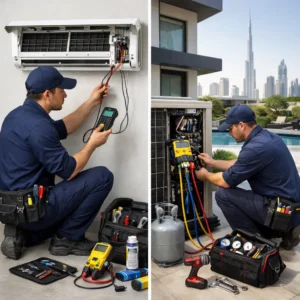
Typical preventive maintenance includes:
- Cleaning or replacing air filters
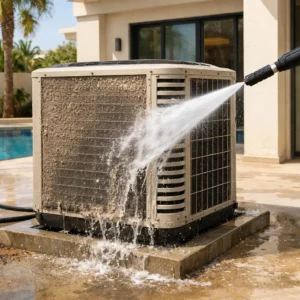
- Inspecting evaporator and condenser coils
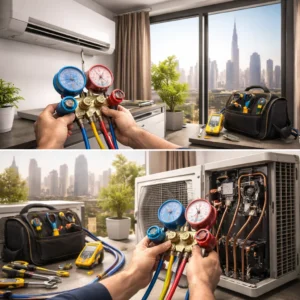
- Checking refrigerant levels
- Cleaning drain lines and removing blockages
- Inspecting electrical connections and components
- Testing airflow and cooling performance
A structured AC maintenance plan ensures these steps are performed consistently, not only when issues appear.
What Is Reactive Maintenance in AC Systems
Reactive maintenance is the opposite approach. It means taking action only when something goes wrong. You wait for the AC to fail, and then you call for repair.
Common reactive scenarios include:
- AC suddenly stops working
- Weak or warm airflow
- Strange noises or vibrations
- Water leakage from the unit
- Bad smell coming from vents
While reactive maintenance may seem cost-saving at first, it often leads to higher expenses and more serious system damage.
Why This Comparison Matters in Dubai Climate
Dubai’s environment puts constant stress on AC systems. Unlike milder climates, AC units in the UAE run for long hours almost every day.
Key environmental factors include:
1. Dust and Sandstorms
Fine sand particles quickly clog filters and coat internal components. Without cleaning, airflow becomes restricted, forcing the system to work harder.
2. High Humidity Levels
Humidity causes moisture buildup inside ducts and drain systems. This creates ideal conditions for mold and bacteria growth.
3. Coastal Saline Air
In coastal areas, salt in the air accelerates corrosion in metal components, reducing system lifespan.
These conditions make preventive maintenance far more important in Dubai than in other regions.
Cost Comparison Preventive vs Reactive Maintenance
One of the biggest differences between preventive and reactive maintenance is cost structure.
| Category | Preventive Maintenance | Reactive Maintenance |
|---|---|---|
| Typical Cost | AED 500 – 1,500 per year | AED 300 – 3,000+ per incident |
| Cost Predictability | Stable and planned | Unpredictable and sudden |
| Emergency Charges | None or minimal | High during peak summer |
| Long-Term Cost | Lower overall | Significantly higher |
Note: These estimates are positioned slightly below typical market rates and may vary depending on system condition and service scope.
During peak summer in Dubai, emergency repairs can become more expensive due to high demand and urgency.
Energy Consumption Impact 15–20% Increase
Neglected AC systems often consume significantly more electricity. Dust buildup, clogged filters, and inefficient airflow force the system to run longer to achieve the same cooling.
Studies and field observations show that poor maintenance can increase energy consumption by approximately 15–20%.
This means:
- Higher DEWA bills
- Reduced cooling efficiency
- Increased system stress
Preventive maintenance helps maintain optimal efficiency and stable energy usage.
Risk of Major Component Failure
Without regular maintenance, small issues can escalate into major failures.
Common examples include:
- Dirty coils leading to compressor overload
- Low refrigerant causing system imbalance
- Blocked drain lines causing water damage
The compressor is one of the most expensive components in an AC system. Once it fails, replacement costs can be significant compared to routine maintenance.
Detailed Preventive Maintenance Checklist
To understand the value of preventive maintenance, it helps to break down what is actually done during servicing.
| Task | Purpose |
|---|---|
| Filter Cleaning | Maintain airflow and reduce dust circulation |
| Coil Inspection | Ensure efficient heat exchange |
| Refrigerant Check | Maintain proper cooling performance |
| Drain Line Cleaning | Prevent water leakage and mold growth |
| Electrical Inspection | Reduce risk of system failure |
| Airflow Testing | Ensure balanced cooling distribution |
Each of these steps addresses potential issues before they become serious problems.
Common Reactive Maintenance Scenarios
Reactive maintenance usually happens when symptoms become visible.
- AC not cooling properly
- Loud or unusual noises
- Water dripping from unit
- Sudden system shutdown
- Burning smell or electrical issues
At this stage, the problem is often more complex and expensive to fix.
Impact on Indoor Air Quality
AC systems are directly linked to indoor air quality. When ducts, filters, and coils are not maintained, contaminants circulate throughout the space.
This can lead to:
- Dust accumulation
- Mold growth
- Bacterial contamination
- Allergy and respiratory irritation
Preventive maintenance helps maintain a cleaner and healthier indoor environment.
Warranty and Manufacturer Requirements
Many AC manufacturers require regular servicing to maintain warranty validity.
This typically includes:
- Scheduled maintenance records
- Professional servicing documentation
- Proper system handling
Skipping maintenance may void warranty coverage, meaning repair costs will not be covered.
System Lifespan Comparison
| Maintenance Type | Expected Lifespan |
|---|---|
| Preventive Maintenance | 10–15 years |
| Reactive Maintenance | 5–8 years |
Regular maintenance significantly extends system lifespan and reduces replacement frequency.
Comfort and Reliability During Peak Summer
Dubai summers can be extreme, making AC reliability essential.
Preventive maintenance ensures:
- Consistent cooling performance
- Reduced risk of breakdown
- Stable indoor comfort
Reactive maintenance, on the other hand, often leads to unexpected failures during the hottest periods.
Comparison Summary Preventive vs Reactive Maintenance
| Aspect | Preventive Maintenance | Reactive Maintenance |
|---|---|---|
| Cost | Lower and predictable | Higher and unpredictable |
| Energy Efficiency | Optimized | Reduced |
| System Lifespan | Longer | Shorter |
| Comfort | Stable | Inconsistent |
| Risk Level | Low | High |
Why Preventive Maintenance Is More Practical in Dubai
Due to constant AC usage, environmental stress, and high energy demand, preventive maintenance is not just recommended—it is necessary.
It helps you:
- Avoid emergency repairs
- Reduce electricity bills
- Maintain air quality
- Extend system lifespan
In a region where AC is essential for daily comfort, reliability is more important than short-term savings.
If you are currently relying on reactive maintenance or noticing early warning signs like weak cooling, unusual noise, or increased energy bills, it may be time to shift your approach. Ignoring these signs can lead to reduced air quality, higher electricity consumption, and costly system failures—especially during peak summer. With proper preventive maintenance, these risks can be minimized while keeping your AC system stable and efficient. If you need clarity about your system condition or want to understand the right maintenance approach, you can use the WhatsApp or Call button on the top right to connect with the Bio On Air team and discuss your situation directly.
Conclusion
The difference between preventive maintenance vs reactive maintenance in Dubai is clear. Preventive maintenance offers predictable costs, better efficiency, and long-term reliability, while reactive maintenance leads to higher expenses and increased risk of failure. Choosing the right approach ensures consistent comfort and protects your AC system in extreme conditions.