




LG split AC hot and cold is often considered by homeowners and businesses that want year-round comfort from a single air conditioning system. Instead of installing separate cooling and heating solutions, this type of AC is designed to handle both functions, making it popular in regions with temperature changes across seasons or in buildings that need flexible climate control. Before choosing this system, it is important to understand its real advantages, limitations, operating costs, and how it compares with other AC options available today.
Table of Contents
ToggleWhat Is an LG Split AC Hot and Cold System
An LG split AC hot and cold system is a split-type air conditioner that provides both cooling during hot periods and heating during cooler periods. It consists of two main units: an indoor unit that distributes conditioned air into the room, and an outdoor unit that manages heat exchange.
Unlike cooling-only AC systems, hot and cold models include a heat pump function. This allows the system to reverse its operation, extracting heat from outside air and bringing it indoors when heating is needed. This dual functionality makes it suitable for homes, apartments, offices, and retail spaces that require temperature control throughout the year.
LG designs these systems with a focus on energy efficiency, stable performance, and user comfort. However, real-world performance depends on usage patterns, installation quality, and maintenance.
Key Features Commonly Found in LG Split AC Hot and Cold
Most LG split AC hot and cold models share several core features that influence daily use and long-term performance.
- Dual cooling and heating modes: One system handles both temperature needs.
- Inverter technology: Adjusts compressor speed to maintain stable temperature with lower energy use.
- Multiple fan speeds and airflow settings: Helps distribute air evenly.
- Basic filtration systems: Designed to reduce dust and airborne particles.
- Remote and smart control options: Depending on model, allows easier temperature management.
While these features sound attractive, their real value depends on how and where the AC is used.
Positive Aspects of LG Split AC Hot and Cold
Many users choose LG split AC hot and cold systems for practical reasons. Below are the main advantages commonly reported.
Year-Round Comfort from One System
The biggest benefit is convenience. You do not need separate appliances for cooling and heating. This simplifies installation planning, saves space, and reduces the need for multiple systems.
For properties where mild winters exist, the heating mode can be sufficient without installing additional heaters.
Energy Efficiency Compared to Traditional Heaters
When used correctly, heat pump-based heating is generally more energy-efficient than electric resistance heaters. Instead of generating heat directly, the system transfers heat, which often results in lower energy consumption.
Inverter-driven LG models are designed to reduce power spikes by adjusting output based on demand.
Consistent Temperature Control
Inverter technology helps maintain steady indoor temperatures. Instead of frequent on-off cycles, the system runs smoothly at varying speeds, improving comfort and reducing noise.
Space-Saving Design
Split AC systems do not require bulky indoor equipment like radiators or portable heaters. This makes them suitable for modern interiors where space efficiency matters.
Brand Reliability and Service Network
LG is a globally recognized manufacturer with established service networks in many regions. This can make spare parts, servicing, and technical support more accessible compared to lesser-known brands.
Negative Aspects and Limitations
Despite the benefits, LG split AC hot and cold systems are not perfect. Understanding the limitations helps avoid unrealistic expectations.
Heating Performance Depends on Outdoor Temperature
Heat pump efficiency drops as outdoor temperatures decrease. In very cold conditions, heating output may feel weaker compared to dedicated heating systems.
For regions with prolonged cold winters, relying solely on a split AC for heating may not always be ideal.
Higher Initial Cost Compared to Cooling-Only AC
Hot and cold models typically cost more than cooling-only split AC units. This includes both the unit price and sometimes installation complexity.
While long-term energy savings may offset this, the upfront investment can be a barrier for some buyers.
Requires Proper Installation to Perform Well
Incorrect installation can significantly affect performance. Poor refrigerant charging, improper piping, or incorrect unit placement can lead to inefficient heating, noise, or higher energy use.
This makes professional installation essential rather than optional.
Maintenance Is Often Overlooked
Because the system works year-round, internal components experience more frequent use. Filters, coils, and fans require regular cleaning.
Neglecting maintenance can lead to reduced airflow, unpleasant odors, and higher energy consumption.
Operating Cost of LG Split AC Hot and Cold
Understanding cost goes beyond the purchase price. Operating cost depends on several factors.
Electricity Consumption
Cooling mode electricity use is similar to standard inverter AC units of comparable capacity. Heating mode consumption varies based on outdoor temperature and usage duration.
In moderate climates, heating mode can be cost-effective. In colder conditions, the system may run longer and consume more electricity.
Maintenance and Servicing Cost
Routine maintenance is essential for performance and air quality. Typical costs may include:
- Filter cleaning or replacement
- Coil cleaning
- Drain line inspection
- Performance checks
Skipping maintenance often leads to higher costs later due to performance loss or component damage.
Repair and Component Replacement
Like any AC system, parts such as sensors, fan motors, or control boards may eventually require repair. Repair costs depend on issue severity and spare part availability.
Regular inspection helps identify small issues before they become expensive problems.
Comparison: LG Split AC Hot and Cold vs Cooling-Only Split AC
| Aspect | LG Split AC Hot and Cold | Cooling-Only Split AC |
|---|---|---|
| Cooling Function | Yes | Yes |
| Heating Function | Yes | No |
| Initial Cost | Higher | Lower |
| Year-Round Use | Yes | Seasonal |
| Energy Efficiency | High (with inverter) | High (cooling only) |
The choice depends on whether heating is actually needed. If heating is rarely used, a cooling-only system may be more cost-effective.
Comparison: LG Split AC Hot and Cold vs Central Heating Systems
Some properties consider central heating systems instead of AC-based heating.
- Installation complexity: Central heating often requires extensive ducting or piping.
- Energy source: Central systems may use gas or electricity, depending on design.
- Flexibility: Split AC allows room-by-room control.
LG split AC hot and cold systems are often more flexible for apartments or small commercial spaces, while central heating may suit large buildings with consistent heating needs.
Who Should Consider LG Split AC Hot and Cold
This system may be suitable if:
- You want both cooling and heating from one unit.
- Your area experiences mild to moderate cold seasons.
- You prefer individual room temperature control.
- You value energy efficiency and space-saving design.
It may be less suitable if your location has long, very cold winters or if heating demand is constant and heavy.
Installation Considerations That Affect Performance
Proper installation plays a critical role in system performance.
Correct Capacity Selection
Choosing the right capacity for room size is essential. An undersized unit struggles to reach temperature, while an oversized unit cycles inefficiently.
Indoor Unit Placement
Incorrect placement can cause uneven airflow or temperature imbalance.
Outdoor Unit Environment
The outdoor unit must have proper ventilation. Obstructed airflow reduces heating and cooling efficiency.
Maintenance Practices to Keep Performance Stable
Regular maintenance improves comfort, air quality, and efficiency.
- Clean filters every few weeks during heavy use.
- Schedule professional cleaning of coils periodically.
- Inspect drain lines to prevent water leakage.
- Monitor unusual noises or smells.
Maintenance is especially important for hot and cold systems because they operate throughout the year.
Common User Concerns and Misunderstandings
“Heating Mode Is Not Warm Enough”
This often relates to outdoor temperature, incorrect capacity, or installation issues rather than system failure.
“Electricity Bill Increased After Switching to Hot and Cold”
Heating mode uses electricity differently. Usage habits and thermostat settings strongly affect cost.
“AC Smells During Heating Mode”
This can be due to dust or moisture inside the system, highlighting the need for cleaning.
How Professional Support Helps Avoid Long-Term Issues
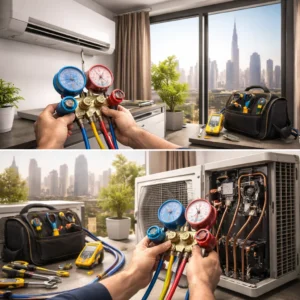
Professional inspection and servicing help ensure correct refrigerant levels, airflow balance, and component health. Early detection of issues prevents performance loss and costly repairs.
For systems used year-round, preventive care is often more cost-effective than reactive repair.
Conclusion
LG split AC hot and cold systems offer a practical solution for year-round temperature control, combining cooling and heating in one unit. Their main strengths lie in convenience, energy efficiency, and flexible room-by-room comfort. However, their performance depends heavily on proper installation, realistic expectations about heating capability, and consistent maintenance.
Before choosing this system, it is important to consider climate conditions, usage patterns, and long-term costs. When selected and maintained correctly, an LG split AC hot and cold unit can provide reliable comfort and balanced indoor air quality for many years. Understanding both its strengths and limitations helps ensure the system meets your real needs rather than becoming a costly compromise.