




Is ac maintenance necessary? The clear answer is yes—and not only for comfort, but for financial protection and long-term control over your AC system. Regular maintenance helps prevent major component failure, protects manufacturer warranties, reduces energy waste, and lowers the risk of expensive emergency repairs during peak season. Skipping maintenance may feel like saving money today, but it often leads to higher costs, longer downtime, and loss of control when your AC fails at the worst possible time.
Table of Contents
ToggleWhy AC Maintenance Is a Financial Decision, Not Just a Technical One
Many homeowners and tenants think of AC maintenance as an optional service—something to do only when the system feels weak or starts making noise. In reality, AC maintenance is a financial risk-management decision. Modern AC systems are complex machines that rely on balanced airflow, clean heat-exchange surfaces, correct refrigerant levels, and stable electrical performance.
When maintenance is skipped, small inefficiencies quietly accumulate. The system compensates by running longer and harder, which increases electricity consumption and puts stress on components such as the compressor, fan motor, and control board. These parts are among the most expensive to repair or replace. Regular maintenance reduces this stress and helps the system operate within safe design limits.
Another overlooked factor is warranty protection. Many manufacturers require documented maintenance to keep warranties valid. When a major component fails, lack of maintenance records can result in warranty rejection, shifting the full cost to the owner.
The Cost–Benefit View of AC Maintenance
If you are asking is ac maintenance necessary, you are likely weighing cost versus benefit. The key point is not the exact service price, but the comparison between predictable maintenance costs and unpredictable failure costs.
Routine maintenance improves efficiency by keeping coils clean, airflow unobstructed, and system settings calibrated. This reduces energy waste, which directly affects monthly electricity bills. Over time, even small efficiency gains can offset the cost of maintenance.
Maintenance also extends system lifespan. An AC unit that runs under less strain experiences slower wear on moving parts and electrical components. This delays the need for major repair or full replacement.
Instead of reacting to breakdowns, maintenance allows you to plan service on your own schedule. You avoid emergency situations where options are limited and costs are harder to compare.
What Actually Happens During Professional AC Maintenance
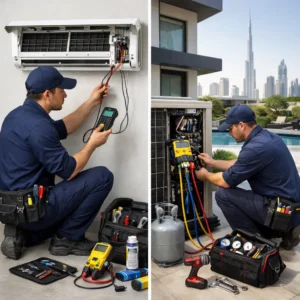
One reason people question the value of maintenance is uncertainty about what is actually done. Professional AC maintenance is not a superficial check. It involves multiple steps designed to keep the system stable, efficient, and safe.
Typical professional maintenance includes:
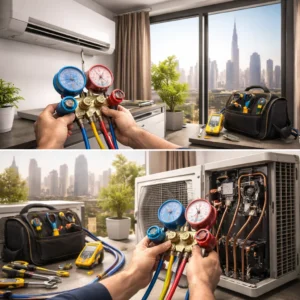
- Refrigerant performance check: verifying pressure and cooling behavior to ensure the system is not overworking or losing efficiency.
- Electrical safety inspection: checking connections, capacitors, contactors, and control signals to reduce risk of electrical failure.
- Coil and airflow assessment: ensuring evaporator and condenser surfaces can exchange heat properly.
- Drain line inspection: preventing water leakage, blockages, and moisture-related issues.
- System calibration: confirming thermostat response and overall operating balance.
These steps are designed to catch early signs of trouble before they turn into failures. You can see how structured care is handled through professional AC maintenance and AMC services, which focus on prevention rather than reaction.
How Maintenance Improves Energy Efficiency Over Time
An AC system that is not maintained gradually loses efficiency. Dust on coils acts as insulation, reducing heat transfer. Restricted airflow forces the system to run longer cycles. Electrical components under strain draw more power.
Maintenance restores optimal operating conditions. Clean coils improve heat exchange, balanced airflow reduces run time, and calibrated controls prevent unnecessary cycling. The result is more stable cooling with less energy waste.
This efficiency benefit is not always dramatic in a single visit, but it compounds over time. Consistent maintenance helps keep energy consumption predictable and avoids sudden spikes caused by system stress.
Maintenance Versus Repair: Understanding the Difference
Repair addresses a problem that has already occurred. Maintenance focuses on preventing that problem from happening in the first place.
When maintenance is skipped, small issues remain hidden. For example, a partially blocked drain line may not leak immediately, but moisture buildup can lead to mold growth or water damage later. A slightly loose electrical connection may work for months before causing sudden failure.
By contrast, maintenance identifies these issues early, when correction is simpler and less disruptive. If repair is needed, it can be planned instead of forced by a breakdown.
For situations where issues are already present, professional AC repair focuses on restoring function, while maintenance ensures the repair holds up over time.
What You Can Safely Do Yourself and What You Should Not
Understanding the boundary between DIY and professional work helps you get value without taking unnecessary risks.
Homeowners can safely handle:
- Cleaning or replacing air filters
- Keeping vents and return grills unobstructed
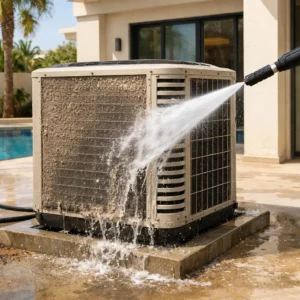
- Ensuring outdoor units are clear of debris
- Monitoring unusual noise, odor, or performance changes
These tasks support system health but do not replace professional maintenance.
Professional work should handle:
- Electrical inspection and testing
- Refrigerant measurement and adjustment
- Internal coil cleaning
- Drain line treatment and prevention
- Control board and sensor evaluation
These areas involve electrical components, chemicals, and system calibration. Improper handling can cause damage, void warranties, or create safety risks.
The Role of Maintenance in Indoor Air Quality
AC maintenance is directly linked to indoor air quality. Dust, moisture, and microbial growth inside the system affect the air circulated through your space.
Without maintenance, contaminants can accumulate in coils, drain pans, and duct connections. This may result in unpleasant odors, allergy irritation, or a general feeling of stale air.
Maintenance addresses these risks by controlling moisture, cleaning critical surfaces, and ensuring airflow remains balanced. In cases where contamination is more advanced, hygiene-focused solutions such as AC deep cleaning may be recommended to restore system cleanliness.
How Maintenance Protects Major Components
The most expensive AC components—compressors, fan motors, and control boards—are also the most sensitive to operating stress.
Low refrigerant, restricted airflow, or electrical imbalance forces these components to operate outside optimal conditions. Over time, this accelerates wear and increases failure risk.
Maintenance keeps operating parameters within safe ranges. By reducing strain, it protects these components and lowers the chance of sudden, high-cost repairs.
Seasonal Timing and Why It Matters
In hot climates, peak season is when AC demand is highest. Breakdowns during this period often result in longer wait times and limited service availability.
Maintenance performed before peak season helps avoid this scenario. It allows you to address issues early, when scheduling is flexible and options are broader.
Reactive repair during peak season often means accepting whatever service is available, sometimes at emergency rates, with less control over timing.
What Happens When AC Maintenance Is Skipped
Skipping maintenance does not usually cause immediate failure. The risk builds gradually.
Common outcomes include:
- Gradual efficiency loss and higher energy bills
- Unexpected breakdowns during extreme heat
- Delays due to high demand for emergency service
- Increased repair scope due to secondary damage
- Loss of warranty coverage
At this point, the homeowner loses control. Decisions are made under pressure, often with limited time to compare options.
Maintenance as a Way to Stay in Control
Scheduled maintenance shifts control back to you. You decide when service happens, how issues are addressed, and what level of care fits your system.
Instead of reacting to failure, you manage risk proactively. This approach aligns maintenance with your budget, schedule, and comfort expectations.
Structured plans such as AC maintenance and AMC services support this approach by spreading care across the year and reducing surprise costs.
When to Involve Professionals Early
If you notice early warning signs—longer cooling cycles, unusual noise, weak airflow, or new odors—maintenance should not be delayed. Early professional attention often prevents escalation.
For issues already affecting performance, inspection through professional AC repair combined with follow-up maintenance helps restore stability.
Conclusion
So, is ac maintenance necessary? Yes, because it protects both your comfort and your financial position. Maintenance prevents major component failure, supports warranty compliance, improves efficiency, and extends system lifespan. More importantly, it gives you control—control over timing, cost comparison, and long-term performance.
Skipping maintenance may appear to save money in the short term, but it increases risk exposure. Breakdowns tend to occur during peak season, when delays are longer and options are limited. Emergency repairs often cost more and come with added stress.
Preventive maintenance, done on your terms, allows you to manage your AC system proactively. It turns uncertainty into planning and transforms AC care from a reactive expense into a controlled investment in comfort, air quality, and reliability.