




Searching for indoor air quality testing dubai often starts with a feeling you cannot easily explain. You feel tired at home but better when you travel. Your allergies seem worse indoors. There is a musty smell when the AC turns on. After a sandstorm, breathing feels heavier. In Dubai’s sealed, air-conditioned buildings, these signs are not random. They are signals that your indoor air may need proper evaluation, not guesswork.
Table of Contents
ToggleDubai IAQ Symptom Checklist You Should Not Ignore
Indoor air quality (IAQ) issues in Dubai often show up as subtle daily discomfort rather than dramatic illness. Many residents normalize these symptoms because AC runs almost all year, and buildings are tightly sealed to keep heat out. But certain patterns are strong indicators that testing may be necessary.
1. Fatigue at Home but Feeling Better Abroad
If you regularly feel tired, foggy, or uncomfortable at home but notice improvement when you leave the country or even stay in another building, this pattern is important. It suggests that something in your indoor environment may be contributing to your discomfort.
This does not automatically mean “toxic air,” but it may indicate elevated CO2, high humidity, VOC buildup, or poor ventilation balance.
2. Persistent Allergies Indoors
Sneezing, throat irritation, or dry eyes that worsen indoors are common in sealed high-rise apartments. AC systems circulate indoor air repeatedly. If filtration is weak or ducts are contaminated, allergens remain trapped inside the system.
3. Musty Smell When AC Turns On
A musty or damp odor when the AC starts often indicates moisture retention in coils or ducts. In Dubai’s humidity spikes, condensation forms easily inside cooling systems. If not managed, this can lead to microbial growth.
4. Condensation Around Vents
Water droplets or damp marks near vents are signs of humidity imbalance. This may result from duct temperature differences combined with humid outdoor air infiltration.
5. Post-Sandstorm Breathing Irritation
After sandstorms, many residents report chest tightness or throat dryness. Fine desert particles (PM2.5) can infiltrate buildings, especially if filtration is insufficient or window seals are weak.
These symptoms do not confirm a problem on their own. However, when multiple signs appear together, structured indoor air quality testing becomes a logical next step.
Dubai-Specific Causes of Indoor Air Quality Problems
Indoor air quality in Dubai is influenced by environmental and architectural conditions that differ from many other regions.
Continuous AC Operation
AC systems in Dubai run almost continuously for much of the year. While this maintains comfort, it also means filters, coils, and ducts accumulate dust quickly. Without maintenance, airflow quality gradually declines.
Duct Condensation During Humidity Spikes
During certain months, humidity increases significantly. When cold air passes through ducts surrounded by warm humid air, condensation forms. Persistent moisture creates conditions that support microbial growth.
Desert PM2.5 Infiltration
Fine desert dust can enter buildings through micro-gaps, poorly sealed windows, or ventilation intake points. Standard filters may not effectively capture very fine particles.
New-Build VOC Emissions
New apartments and recently renovated villas often release volatile organic compounds (VOCs) from paint, adhesives, flooring, and furniture. These emissions may cause headaches or irritation, especially in tightly sealed units.
High-Rise Sealed Ventilation
Many high-rise apartments rely heavily on mechanical cooling with limited fresh air exchange. Without balanced ventilation, CO2 and indoor pollutants accumulate.
Construction Dust Exposure
Ongoing construction near residential areas contributes to airborne dust. Even sealed buildings can experience infiltration during windy conditions.
What Indoor Air Quality Testing Dubai Actually Measures
Proper indoor air quality testing dubai is not a single reading from a handheld device. It involves measuring multiple parameters to understand the air environment in context.
Particulate Levels (PM2.5 and PM10)
These indicate fine and coarse particles suspended in air. In Dubai, elevated PM2.5 may be linked to desert dust infiltration or poor filtration efficiency.
Volatile Organic Compounds (VOCs)
VOCs include chemical emissions from building materials, cleaning agents, and furnishings. Formaldehyde is one commonly tested compound. Elevated VOC levels in Dubai often relate to new construction or insufficient ventilation.
Microbial Counts
Air sampling may measure mold spores or bacterial presence. In humid AC systems, microbial growth may develop inside coils or ducts.
CO2 Concentration
High CO2 levels do not mean toxic air, but they indicate insufficient ventilation. Persistent high CO2 can cause fatigue and reduced concentration.
Humidity Balance
Relative humidity affects comfort and microbial risk. In Dubai, excessive humidity indoors can signal ventilation imbalance or condensation problems.
Each parameter tells part of the story. Results must be interpreted together, especially considering Dubai’s climate and building style.
Understanding Dubai Municipality and Green Building Context
Indoor air quality evaluation in Dubai is influenced by regulatory and sustainability frameworks. Dubai Municipality provides health-related environmental guidelines. Green building frameworks such as Al Sa’fat also encourage ventilation and air-quality performance in new developments.
When conducting indoor air quality testing dubai, professionals consider alignment with these frameworks, even though specific threshold values are determined by context and usage type.
What Professional Indoor Air Quality Testing Dubai Should Include
Not all testing services are equal. There is a difference between quick device readings and structured evaluation.
Handheld Device Readings
Portable monitors provide instant readings for particulates, CO2, or humidity. They are useful for screening but may not replace laboratory analysis.
Accredited Laboratory Sample Analysis
For microbial or VOC analysis, air samples are often sent to certified laboratories. Lab testing provides more detailed breakdown of contaminants.
Independent Reporting
A trustworthy inspection should provide transparent reporting. Results should not be tied to immediate product sales. Independent reporting allows homeowners to review findings objectively before deciding on corrective actions.
What Influences the Cost of Indoor Air Quality Testing Dubai
Instead of stating fixed figures, it is more accurate to explain what determines pricing.
Cost depends on:
- Property size
- Number of rooms tested
- Number of air samples collected
- Whether laboratory analysis is included
- Scope of reporting and consultation
To understand the price for your specific property, it is best to describe the size, layout, and concerns clearly. Testing scope directly affects cost.
Practical Dubai-Ready Solutions After Testing
Upgraded Filtration Grades
Installing higher-efficiency filters suited for desert dust helps capture finer particles.
Humidity Control During Peak Months
Balancing humidity reduces condensation risk and microbial growth.
AC Coil Maintenance
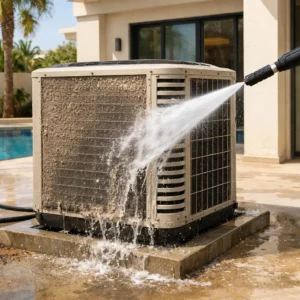
Regular coil cleaning prevents moisture buildup and airflow restriction.
Ventilation Optimization in Sealed Apartments
Improving fresh air intake while maintaining cooling efficiency is key in high-rise units.
Air Purifiers for Desert Dust vs Odor Control
Purifiers designed for particulate capture differ from those targeting odor or VOCs. Choosing the correct type matters.
When Indoor Air Quality Should Be Assessed Professionally
If fatigue, allergies, persistent odor, or breathing irritation continue despite cleaning efforts, structured indoor air quality testing dubai provides clarity. Ignoring symptoms may allow dust accumulation, microbial growth, or ventilation imbalance to worsen over time. Addressing IAQ early helps protect comfort, health, and AC system efficiency. You can use the WhatsApp or Call button at the top right of this page to discuss your concerns and understand the next appropriate step.
Conclusion
Indoor air quality in Dubai is shaped by continuous AC use, desert dust, humidity fluctuations, and sealed building design. Symptoms such as fatigue, allergies, musty smell, and post-sandstorm irritation should not be dismissed. Professional indoor air quality testing dubai evaluates particulates, VOCs, microbial counts, CO2, and humidity in context. Understanding results allows targeted solutions such as filtration upgrades, humidity control, and ventilation optimization. Taking a structured approach reduces uncertainty and supports a healthier indoor environment.