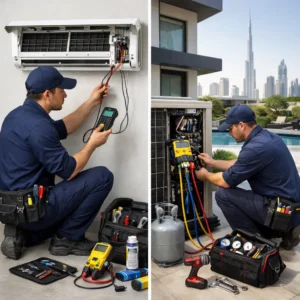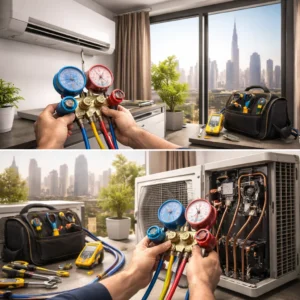





A proper hvac installation risk assessment is essential for safe project execution and regulatory compliance in the UAE. Whether you are working on residential, commercial, or industrial HVAC systems, a structured Risk Assessment Method Statement (RAMS) helps identify hazards, reduce risks, and ensure every step of the installation is controlled and documented.
Table of Contents
ToggleWhat Is HVAC Installation Risk Assessment and Why It Matters
HVAC installation involves multiple high-risk activities such as working at heights, electrical connections, refrigerant handling, and heavy equipment lifting. Without a formal risk assessment, these activities can lead to injuries, system failures, or legal non-compliance.
In Dubai and across the UAE, risk assessments are often required for:
- Permit approvals from authorities
- Site access authorization
- Contractor compliance with HSE regulations
A well-prepared HVAC RAMS ensures that risks are identified early, control measures are implemented, and all personnel understand safe working procedures.
Project Administration and RAMS Scope Requirements
Every HVAC installation risk assessment must begin with clear project administration details. This section defines the project scope and identifies responsible personnel.
Project Details
- Project name and location (e.g., Dubai Marina, Business Bay)
- Client name and contractor details
- Permit number and approval authority
Scope of Work
The scope should clearly describe the HVAC installation activities, such as:
- Split AC installation
- Chilled water system installation
- Ductwork fabrication and installation
- Testing and commissioning
Key Personnel
- Project Manager
- Site Engineer
- Safety Officer
- HVAC Technicians
Each role should have defined responsibilities to ensure accountability and coordination.
Risk Matrix Methodology and Risk Rating System
A risk matrix is used to evaluate the severity of hazards and determine the level of risk. It combines two key factors:
- Likelihood (probability of occurrence)
- Severity (impact of the hazard)
Typical Risk Rating Scale
| Likelihood | Description |
|---|---|
| 1 | Rare |
| 2 | Unlikely |
| 3 | Possible |
| 4 | Likely |
| 5 | Almost Certain |
| Severity | Description |
|---|---|
| 1 | Minor injury |
| 2 | First aid case |
| 3 | Medical treatment |
| 4 | Serious injury |
| 5 | Fatality |
Risk level is calculated by multiplying likelihood and severity.
Risk Classification
- Low Risk
- Medium Risk
- High Risk
- Extreme Risk
High and extreme risks require immediate control measures before work begins.
Critical HVAC Installation Hazards
Working at Heights
Installation of ductwork and outdoor units often requires working at elevated positions.
- Risk of falls from ladders or scaffolding
- Improper use of safety harness
Manual Handling
HVAC components such as compressors and ducts are heavy and awkward to handle.
- Musculoskeletal injuries
- Improper lifting techniques
Electrical Exposure
Electrical connections during installation pose serious risks.
- Electric shock
- Short circuits
- Equipment damage
Hot Work Activities
Welding or brazing is common during installation.
- Fire hazards
- Burn injuries
UAE-Specific Environmental Risks
Heat Stress
Extreme outdoor temperatures in the UAE can lead to dehydration and heat exhaustion.
Confined Spaces
Duct installation may require working in tight or enclosed spaces.
- Limited ventilation
- Restricted movement
Refrigerant Handling
Handling refrigerants requires proper safety measures.
- Gas leakage risks
- Health hazards from exposure
Control Measures for HVAC Installation
Engineering Controls
- Use of proper lifting equipment
- Installation of guardrails and barriers
- Proper ventilation systems
Administrative Controls
- Permit-to-work system
- Toolbox talks and safety briefings
- Work scheduling to avoid peak heat hours
Personal Protective Equipment (PPE)
- Safety helmets
- Gloves
- Safety harness
- Protective eyewear
- Respirators (if required)
Emergency Response Planning
Fire Safety
- Fire extinguishers available on site
- Hot work permits required
Medical Emergencies
- First aid kits accessible
- Trained first aid personnel
Rescue Procedures
- Emergency evacuation plan
- Clear communication channels
Sample HVAC Installation Risk Assessment Table
| Activity | Hazard | Initial Risk | Control Measures | Residual Risk |
|---|---|---|---|---|
| Working at height | Fall from ladder | High | Use harness, secure ladder | Medium |
| Electrical work | Electric shock | High | Isolate power, use PPE | Low |
| Manual lifting | Back injury | Medium | Use lifting tools | Low |
| Brazing work | Fire hazard | High | Fire watch, extinguisher | Medium |
Importance of Compliance for Permit Approval in Dubai
Authorities in Dubai require structured risk assessments for project approvals. A properly documented RAMS ensures:
- Faster permit approval
- Reduced site delays
- Compliance with safety regulations
Why Proper HVAC Installation Planning Matters
Beyond compliance, a well-prepared risk assessment ensures:
- Safer working environment
- Reduced project delays
- Better installation quality
Understanding proper installation procedures is also essential when planning long-term system performance. For example, ensuring safe setup and correct system configuration is part of professional HVAC installation practices that impact both safety and efficiency.
If you are planning an HVAC installation project, it is important to ensure that risk assessment and safety planning are handled correctly from the beginning. Ignoring these steps can lead to safety incidents, project delays, and compliance issues. A structured approach helps protect workers, maintain system integrity, and avoid costly corrections later. If you need guidance on safe installation practices or system planning, you can use the WhatsApp or Call button on the top right to connect with the Bio On Air team and understand the most suitable next step for your project.
Conclusion
An effective hvac installation risk assessment is essential for safety, compliance, and project success in the UAE. By understanding hazards, applying control measures, and following structured RAMS guidelines, you can ensure a safe and efficient installation process.