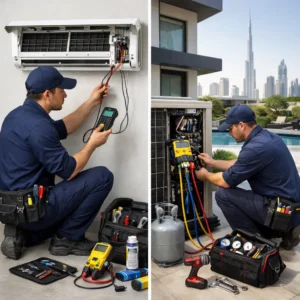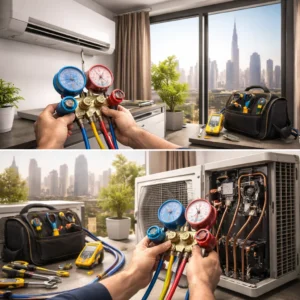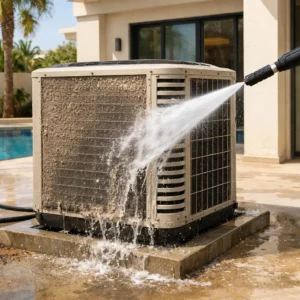





Searching for a hvac installation material list usually means you are planning a new HVAC installation, replacement, or major upgrade and want to understand exactly what goes into the system. Many homeowners, tenants, and facility managers are surprised to learn that HVAC installation is not just about the main unit. Performance, safety, efficiency, and long-term durability depend heavily on the materials used during installation. This guide explains, in detail, the full HVAC installation material list, why each category matters, which items stay installed, which are only tools, and where hidden material costs often appear.
Table of Contents
ToggleUnderstanding the Purpose of an HVAC Installation Material List
An HVAC installation material list serves two main purposes. First, it helps you understand what is physically installed in your building as part of the HVAC system. Second, it protects you from budgeting confusion by separating permanent materials from temporary tools and consumables used by technicians.
Without a clear material list, many people assume the cost is mainly for the unit itself. In reality, installation quality depends on piping, wiring, insulation, drainage, sealing, and safety components. Missing or low-quality materials often lead to common problems such as poor cooling, noise, water leakage, high energy use, and shortened system lifespan.
Major HVAC System Components
The core of any HVAC installation starts with the main system components. These are the largest and most visible parts, but they rely heavily on supporting materials to function correctly.
Outdoor Unit Components
The outdoor unit is responsible for heat exchange and houses critical mechanical and electrical components. While the unit itself is supplied by the manufacturer, installation materials ensure it operates safely and efficiently.
- Outdoor condenser unit
- Anti-vibration rubber pads or mounting base
- Weather-resistant mounting brackets (for wall-mounted units)
- Protective covers or shields (where required)
Anti-vibration materials are often overlooked but are essential to reduce noise transmission into the building and prevent long-term structural stress.
Indoor Unit Components
The indoor unit distributes conditioned air into the space. Proper mounting and sealing materials are critical to prevent air leaks and condensation problems.
- Indoor air handler or fan coil unit
- Mounting brackets or hanging rods
- Condensate drain connection points
- Insulated housing panels
Poorly supported indoor units can lead to vibration, noise, and drain misalignment, which later causes water leakage.
Evaporator and Condenser Coils
Coils are central to heat exchange. Although they are factory-made components, installation materials affect how well they perform.
- Evaporator coil assembly
- Condenser coil assembly
- Coil supports and brackets
- Access panels for future servicing
Improper coil positioning or lack of access panels can make maintenance difficult and reduce efficiency over time.
Line-Set Essentials: Refrigerant Piping and Insulation
One of the most critical parts of any hvac installation material list is the line set. This connects the indoor and outdoor units and directly affects cooling performance.
Copper Refrigerant Piping
Copper pipes carry refrigerant between system components. Quality and sizing are extremely important.
- Liquid line copper piping
- Suction line copper piping
- Factory-cleaned, refrigeration-grade copper
Using undersized or low-grade copper can restrict refrigerant flow and strain the compressor.
Pipe Insulation
Insulation prevents energy loss and condensation.
- Closed-cell elastomeric insulation
- UV-resistant insulation for outdoor sections
- Sealed insulation joints and end caps
In hot and humid climates, poor insulation quickly leads to sweating pipes, water damage, and efficiency loss.
Pipe Protection and Routing Materials
- PVC trunking or conduit covers
- Pipe clamps and supports
- Wall sleeves and grommets
These materials protect piping from physical damage and improve visual cleanliness.
Electrical Installation Materials
Electrical materials are a major part of HVAC installation and directly relate to safety and code compliance.
Power Supply Components
- Dedicated power cables
- Correctly rated circuit breakers
- Isolator switches near the outdoor unit
Incorrect electrical sizing can cause frequent tripping or long-term damage to system electronics.
Control and Communication Wiring
- Control cables between indoor and outdoor units
- Thermostat wiring
- Low-voltage communication cables
Proper routing and shielding of control wiring reduces signal interference and system errors.
Grounding and Protection Materials
- Grounding cables
- Surge protection devices (where required)
- Cable glands and strain reliefs
These materials protect both equipment and occupants from electrical faults.
Air Distribution Materials: Ducts and Sealing Products
For ducted HVAC systems, air distribution materials are just as important as the unit itself.
Ductwork Materials
- Galvanized steel ducts
- Pre-insulated duct panels
- Flexible duct connections
Duct quality affects airflow balance, noise, and overall comfort.
Sealing and Insulation Materials
- Duct sealant or mastic
- Aluminum foil tape
- External duct insulation
Air leaks in ductwork are a common source of energy loss and uneven cooling.
Air Outlets and Returns
- Supply diffusers
- Return air grilles
- Volume control dampers
Properly sized and positioned outlets improve comfort and reduce system strain.
Professional Consumables Often Overlooked
Many critical materials are small, inexpensive individually, but essential to system durability.
- Refrigerant (initial charge or adjustment)
- Brazing rods and nitrogen for pipe joining
- Pipe joint sealants
- Fasteners, anchors, and screws
- Condensate treatment tablets
These consumables are often invisible after installation but directly affect system reliability.
Installed Materials vs Technician Tools: Avoiding Budget Confusion
A common misunderstanding during HVAC installation is confusing permanent materials with technician tools.
Materials That Remain Installed
- Pipes, insulation, wiring, ducts, drains
- Mounting brackets and supports
- Sealing and protective components
Tools Brought by Technicians
- Vacuum pumps
- Manifold gauges
- Pipe cutters and flaring tools
- Electrical testing equipment
Tools are part of professional service and should not be mistaken as billable installation materials.
Compliance and Safety Checklist
A complete hvac installation material list must include safety and compliance items.
- Condensate drain traps
- Overflow protection and secondary drains
- Proper control wiring labeling
- Fire-rated sealing where ducts pass through walls
- Electrical code-compliant breakers and isolators
Skipping these items can result in water damage, electrical hazards, or failed inspections.
Standard vs Premium HVAC Installation Materials
Not all materials are equal. Understanding the difference helps you make informed decisions.
Standard Materials
Standard materials meet basic code requirements and are suitable for normal usage. They are commonly used in residential installations with moderate operating hours.
Premium Materials
Premium materials focus on durability, efficiency, and long-term performance. Examples include thicker copper piping, higher-grade insulation, better vibration control, and advanced sealing products.
While premium materials cost more upfront, they often reduce maintenance issues, improve energy efficiency, and extend system lifespan.
Hidden Material Expenses That Surprise Many People
One of the biggest frustrations during HVAC installation is discovering additional material needs mid-project.
- Extended piping due to longer routing
- Extra insulation for extreme environments
- Upgraded electrical protection
- Additional drainage components
These are not unnecessary charges, but adjustments based on real site conditions. Clear communication before installation helps prevent surprises.
Why a Complete Material List Protects You
Understanding the full HVAC installation material list gives you control. It helps you ask better questions, compare proposals fairly, and avoid low-quality shortcuts. More importantly, it ensures your system is installed to perform efficiently, safely, and reliably for years.
Conclusion
An HVAC system is only as good as its installation. Knowing the complete hvac installation material list allows you to see beyond the unit itself and understand what truly determines performance and durability. From refrigerant piping and electrical safety to air distribution and overlooked consumables, each material plays a role. By recognizing what stays installed, what tools are temporary, and where hidden material needs often arise, you can make informed decisions and avoid costly surprises. A well-documented material list is not just technical detail—it is protection for your comfort, air quality, and long-term investment.