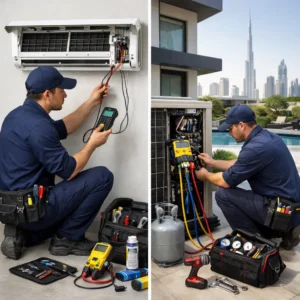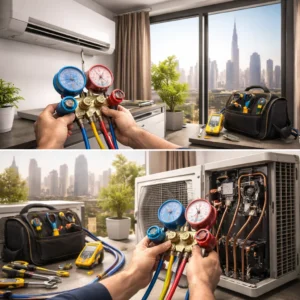





HVAC installation is one of the most important decisions a homeowner or property manager will make for long-term comfort, indoor air quality, and energy use. Yet many HVAC problems start not because of bad equipment, but because the system was installed without proper sizing, clear understanding of performance terms, or attention to how the home actually behaves. This guide is written to help you understand how HVAC installation should really work, what questions matter before committing, and how to avoid comfort, humidity, and cost problems that often appear months after installation.
Table of Contents
ToggleWhy HVAC Installation Is More Than Just Replacing a Unit
A common assumption is that HVAC installation means removing an old unit and installing a new one with similar capacity. In reality, homes change over time. Insulation degrades, layouts are modified, windows are replaced, and occupancy patterns shift. Installing a new system without reassessing these factors often leads to mismatched performance.
When HVAC installation is treated as a simple swap, homeowners may experience:
- Rooms that cool or heat unevenly
- High indoor humidity despite strong airflow
- Frequent on-off cycling that feels uncomfortable
- Higher electricity bills with no comfort improvement
These issues usually trace back to incorrect system sizing or poor installation practices, not the brand of the equipment itself.
Right-Sizing Education: Why Load Calculations Matter
One of the most critical parts of HVAC installation is proper load calculation. This process determines how much heating or cooling your space actually needs under real conditions.
Proper load calculation considers factors such as:
- Room size and ceiling height
- Insulation quality and wall orientation
- Window size, type, and sun exposure
- Air leakage and infiltration
- Number of occupants and typical usage patterns
Without this analysis, installers may rely on rough estimates or old system sizes, which often leads to oversizing or undersizing.
Problems Caused by Oversized HVAC Systems
Many people assume that bigger systems provide better comfort. In reality, oversized HVAC systems often cause more problems than benefits.
- Short cycling: the system turns on and off frequently, reducing efficiency.
- Poor humidity control: the system cools the air too quickly to remove moisture.
- Uneven comfort: rooms may feel cold but clammy.
- Higher wear and tear: frequent starts shorten component lifespan.
Problems Caused by Undersized HVAC Systems
Undersized systems struggle to meet demand, especially during extreme weather.
- Continuous operation without reaching target temperature
- Higher electricity consumption due to long run times
- Increased stress on compressors and motors
- Reduced comfort during peak heat or cold
Right-sizing is about balance, not power. A correctly sized system runs longer but steadier, providing better comfort and efficiency.
Decoding HVAC Capacity and Efficiency Terms
HVAC installation discussions often include technical terms that confuse homeowners. Understanding these terms helps you make informed decisions without needing engineering knowledge.
Capacity and Tonnage
Capacity describes how much heating or cooling a system can deliver. It is often expressed in tons or kilowatts. Higher capacity does not automatically mean better performance if the capacity does not match the load.
During HVAC installation, capacity should always be justified by load calculations rather than assumptions or previous equipment size.
Efficiency Ratings and What They Really Mean
Efficiency ratings indicate how effectively a system converts energy into heating or cooling output. Higher efficiency generally means lower operating costs over time.
However, efficiency ratings only deliver real savings when:
- The system is correctly sized
- Installation quality is high
- Ductwork and airflow are properly balanced
An efficient system installed poorly may perform worse than a standard system installed correctly.
Operating Cost vs Purchase Cost
During HVAC installation planning, it is important to separate upfront cost from long-term operating cost. A lower initial price may result in higher monthly energy bills and earlier replacement.
When discussing cost, a professional installer should explain where pricing applies and guide you to request updated pricing details rather than guessing figures.
Tiered System Comparison: Economy, Mid-Range, and Premium Options
To simplify decision-making, HVAC installation options can be grouped into three general tiers based on performance and comfort outcomes.
Economy Tier Systems
Economy systems focus on basic functionality and lower upfront investment.
- Standard efficiency levels
- Limited comfort controls
- Best suited for small spaces or limited usage
These systems can perform well when correctly sized and installed, but may offer fewer features for humidity control or zoning.
Mid-Range Tier Systems
Mid-range systems balance cost, comfort, and efficiency.
- Improved efficiency and quieter operation
- Better humidity and temperature stability
- Suitable for most family homes and offices
This tier often provides the best overall value when paired with proper HVAC installation practices.
Premium Tier Systems
Premium systems focus on advanced comfort and long-term performance.
- High efficiency with variable-speed operation
- Advanced humidity and airflow control
- Enhanced indoor air quality options
These systems are ideal for homes with high comfort expectations or challenging layouts, but only when installation quality supports their capabilities.
Why Installation Quality Matters More Than Brand
One of the most common misconceptions in HVAC installation is that choosing a well-known brand guarantees good performance. In reality, the installer’s practices often matter more than the logo on the unit.
Poor installation can lead to:
- Incorrect refrigerant charge
- Airflow restrictions
- Improper drainage and moisture issues
- Noise and vibration problems
Even the best equipment cannot compensate for improper installation.
Warning Signs of Poor HVAC Installers
- No load calculation performed
- Quoting without site inspection
- Rushing installation without testing
- No explanation of system operation
A professional HVAC installation includes testing, verification, and user education.
Hidden Installation Cost Components Homeowners Often Miss
HVAC installation costs involve more than the equipment itself. Understanding hidden components helps avoid surprises.
Permits and Compliance
Some installations require permits or inspections to meet safety and building standards. Skipping these steps may cause legal or insurance issues later.
Electrical Adjustments
New systems may require upgraded wiring, breakers, or controls. These adjustments ensure safe and stable operation.
Ductwork Condition and Modifications
Old or leaking ducts can undermine system performance. Sealing, resizing, or repairing ducts may be necessary to achieve expected comfort.
These components should be explained clearly during HVAC installation planning, with pricing discussed only where applicable and confirmed before work begins.
Post-Installation Checklist: What Should Happen After Installation
HVAC installation does not end when the system turns on. A proper handover ensures long-term satisfaction.
Installation Duration and Testing
The installer should explain how long the work will take and perform system testing after completion.
User Education and System Walkthrough
You should receive clear guidance on:
- Thermostat operation
- Filter maintenance
- Recommended service intervals
Validation Tools and Performance Checks
Homeowners can use simple tools or calculators to estimate energy savings and validate system performance against expectations. These tools help confirm that HVAC installation decisions align with comfort and efficiency goals.
When Professional HVAC Installation Makes the Difference
HVAC installation affects comfort, air quality, and energy use for years. Problems caused by poor sizing or installation often appear gradually, making them harder and more expensive to fix later.
Bio On Air supports HVAC installation with a focus on correct load calculations, transparent explanations, and careful installation practices. Addressing these factors early helps avoid humidity issues, uneven comfort, and unnecessary energy waste. If you want to discuss your installation needs or clarify which system tier suits your space, you can use the WhatsApp or Call button at the top right of this page to speak with our team.
Conclusion
Successful HVAC installation is not about choosing the biggest or most expensive system. It is about matching capacity to real demand, understanding efficiency and operating costs, and ensuring installation quality supports system performance. When homeowners focus on right-sizing, clear communication, and proper handover, they gain consistent comfort, better humidity control, and long-term efficiency.
By asking the right questions and working with professionals who prioritize calculation, transparency, and education, HVAC installation becomes an investment in comfort rather than a source of recurring problems.