




Humidity in Umm Al Quwain is more than a weather detail—it shapes how hot the day feels, how comfortable evenings become, how your home behaves, and even how safe roads are during early mornings. Because the emirate sits along the Arabian Gulf, moisture in the air plays a strong role in daily life, especially during summer months when heat and humidity combine. Understanding how humidity works—beyond just temperature numbers—helps residents and visitors plan better, protect their homes, and stay comfortable year-round.
Table of Contents
ToggleUnderstanding Real-Feel Temperature vs Thermometer Readings
One of the most common frustrations during summer in Umm Al Quwain is checking the thermometer and thinking, “It says 38°C, but it feels much hotter.” This is where the concept of real-feel temperature comes in.
The thermometer measures air temperature. But your body does not experience temperature alone. It reacts to a combination of heat, humidity, wind, and sunlight. When humidity is high, sweat evaporates more slowly from your skin. Since evaporation is how your body cools itself, this delay makes you feel hotter than the actual air temperature.
For example:
- 38°C with low humidity may feel hot but manageable in shade.
- 38°C with high humidity can feel overwhelming and exhausting.
This difference is often calculated using the heat index.
What Is the Heat Index and Why It Matters
The heat index combines air temperature and relative humidity to estimate how hot it actually feels to the human body. In coastal areas like Umm Al Quwain, heat index values can rise significantly above the actual temperature during summer afternoons.
When humidity is high:
- Your body cannot cool efficiently.
- Fatigue happens faster.
- Outdoor activity becomes more physically demanding.
This is why two days with the same temperature can feel completely different depending on moisture levels. The heat index explains that “sticky” or “heavy” sensation people often describe during Gulf summers.
The Coastal Factor: Arabian Gulf Influence
Umm Al Quwain’s position along the Arabian Gulf strongly influences its humidity patterns. Water bodies absorb heat during the day and release moisture into the air, especially in the evening and early morning.
Coastal humidity patterns typically include:
- Higher evening moisture levels after sunset.
- Morning dampness near beaches and mangrove areas.
- More persistent humidity compared to inland desert regions.
Even when daytime heat begins to drop after sunset, humidity can remain high. This creates that common feeling of stepping outside at night and still feeling warm and sticky.
Evening Moisture Spikes and Why Nights Feel Heavy
Many residents notice that evenings in Umm Al Quwain can feel surprisingly humid, even when the sun is gone. This happens because land cools faster than the sea. As air temperature drops slightly, moisture from the Gulf becomes more noticeable.
During summer:
- Humidity often rises after sunset.
- Outdoor seating areas may feel damp.
- Windows can develop light condensation in poorly ventilated spaces.
This pattern explains why some evenings feel less comfortable than expected despite lower temperatures.
A Simple Muggy Calendar: Month-by-Month Comfort Overview
Instead of focusing on exact numbers, it helps to understand humidity in Umm Al Quwain in terms of comfort “vibes.”
January – February
Generally comfortable. Mild humidity with cooler air. Evenings are pleasant, though occasional fog can occur.
March – April
Humidity begins increasing slowly. Days feel warmer, but mornings remain manageable.
May
Transition month. Heat rises noticeably and humidity starts to become more present in evenings.
June – September
Peak muggy season. High humidity combines with extreme heat. Outdoor activity becomes challenging during daytime. Nights often remain sticky.
October
Gradual improvement. Heat remains high but humidity begins easing slightly.
November – December
Comfortable again. Cooler temperatures reduce the “sticky” sensation, though coastal moisture is still present.
This pattern helps residents plan vacations, maintenance work, and outdoor activities more realistically.
Dew Point: The True Indicator of Stickiness
While relative humidity is commonly discussed, the dew point often gives a clearer picture of how sticky the air feels.
Dew point measures the temperature at which air becomes saturated and moisture condenses into water. Higher dew point values mean more moisture in the air.
Why dew point matters:
- It reflects actual moisture content, not just percentage.
- High dew point equals persistent stickiness regardless of temperature.
- It helps explain why evenings can feel muggy even when cooler.
In coastal Gulf areas, dew points can remain elevated during summer, maintaining that heavy feeling even at night.
Lifestyle Impact: Beaches, Mangroves, and Outdoor Timing
Humidity strongly influences how enjoyable outdoor spaces are.
For beaches:
- Early morning is often the most comfortable.
- Late afternoons may still feel hot and humid.
For mangrove areas:
- Humidity is typically higher due to water and vegetation.
- Morning visits are usually more pleasant than midday.
Best outdoor timing in peak summer months is generally before 9 AM or after sunset, though evenings can still feel moist.
Fog Risk on Major Highways
High humidity combined with cooler winter mornings increases fog risk. In areas connecting Umm Al Quwain to other emirates, early morning fog can reduce visibility.
Fog typically forms when:
- Humidity is high.
- Nighttime temperatures drop.
- Wind speeds are low.
This can impact driving safety, especially during early commuting hours.
Clothing and Fabric Choices for Sticky Conditions
Humidity affects comfort significantly through clothing choice.
Recommended fabrics:
- Cotton blends for breathability.
- Linen for airflow.
- Moisture-wicking athletic fabrics.
Less suitable fabrics:
- Heavy synthetic materials that trap heat.
- Thick polyester without ventilation.
Loose-fitting garments allow better air circulation and improve comfort in humid conditions.
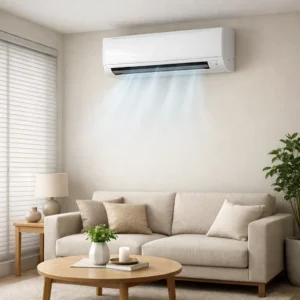
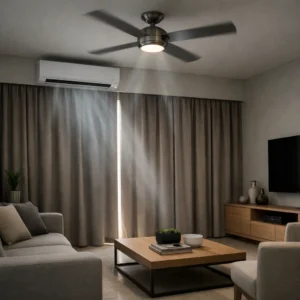
Residential Effects: AC Vent Condensation and Wall Dampness
High humidity can create noticeable home issues, especially during summer.
- Condensation around AC vents.
- Damp patches near poorly insulated walls.
- Water droplets on windows during humid nights.
This happens when warm humid air contacts cooler surfaces. If ventilation is inadequate, moisture accumulates and can lead to mold growth over time.
Mold Risk and Indoor Air Quality Concerns
Persistent humidity increases mold risk in:
- Bathrooms with limited ventilation.
- Closets near external walls.
- Areas behind furniture.
Mold not only damages surfaces but may affect respiratory comfort. Proper airflow and humidity control are essential in coastal environments.
Salt-Heavy Air and Corrosion Effects
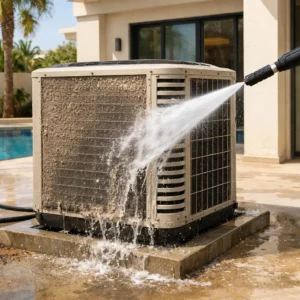
Coastal humidity in Umm Al Quwain also contains salt particles from sea air. Over time, this can contribute to corrosion in:
- Outdoor AC units.
- Vehicle exteriors and undercarriage.
- Metal balcony railings.
- Electronic components.
Regular cleaning and protective coatings help reduce corrosion risk.
AC Moisture Removal vs Dedicated Dehumidifiers
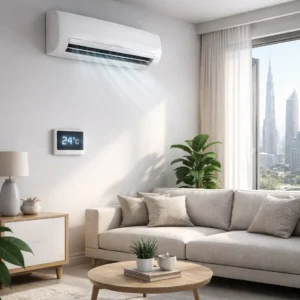
Air conditioners remove some moisture while cooling. However, their primary function is temperature control, not humidity control.
AC systems:
- Condense moisture during cooling cycles.
- Work effectively when running consistently.
Dedicated dehumidifiers:
- Specifically target excess moisture.
- Can operate independently of cooling needs.
- Useful during milder but humid months.
In extremely humid conditions, combining both may improve indoor comfort.
Quick Monthly Humidity Snapshot
Instead of focusing on numbers, think in seasonal mood terms:
- Winter: Fresh and mild, occasional fog mornings.
- Spring: Gradually warming, humidity building slowly.
- Summer: Heavy, sticky, intense, especially evenings.
- Autumn: Slowly easing but still warm.
This helps plan travel, events, and maintenance.
Practical Planning Insights for Residents and Visitors
- Schedule outdoor activities early morning.
- Ensure good home ventilation.
- Check AC systems before peak summer.
- Use breathable clothing in peak humidity months.
- Drive carefully during winter fog mornings.
Conclusion
Humidity in Umm Al Quwain is shaped by coastal influence, seasonal patterns, and daily temperature shifts. It affects comfort, home maintenance, outdoor activities, and even driving conditions. By understanding heat index, dew point, seasonal trends, and indoor moisture management, residents and visitors can better plan daily routines and protect their homes and belongings. Awareness, rather than just temperature readings, is key to living comfortably in this coastal environment.