




Humidity in Ras Al Khaimah is one of the most misunderstood climate factors in the UAE. Many visitors expect dry desert air, but what they experience—especially near the coast—is heavy, sticky moisture that changes how the heat feels, how buildings behave, and how daily life is planned. Understanding how humidity shifts across seasons and landscapes in Ras Al Khaimah helps you prepare better, travel safer, and protect your home from moisture-related issues.
Table of Contents
ToggleUnderstanding Humidity in Ras Al Khaimah Beyond “Hot Weather”
When people think about Ras Al Khaimah, they often picture desert heat and sunshine. While that is partly true, humidity plays an equally powerful role in shaping the real experience of the climate. Humidity refers to the amount of moisture in the air. In Ras Al Khaimah, this moisture is strongly influenced by its proximity to the Arabian Gulf and the surrounding geography.
High humidity does not just mean the air feels wet. It affects how your body cools itself, how sweat evaporates, how buildings release moisture, and even how visibility changes in the early morning. On some days, the temperature may not look extreme on paper, yet the air feels much hotter because the moisture slows down evaporation from your skin. This is why “real-feel” conditions can feel significantly heavier than expected.
Humidity also impacts daily planning. Outdoor timing, clothing choices, AC usage, ventilation habits, and even travel safety depend on how moisture behaves throughout the year.
Monthly Humidity Patterns and How the Air Actually Feels
Instead of focusing on exact numbers, it is more practical to understand how humidity behaves seasonally and how it physically feels month by month.
Peak Summer: The Sticky Coastal Season
During peak summer months, humidity in Ras Al Khaimah often reaches its most uncomfortable levels, particularly near the shoreline. The combination of high temperatures and heavy moisture creates a dense, sticky sensation. Sweat does not evaporate easily, making even short outdoor walks feel exhausting.
This is when residents often describe the air as “thick” or “humid heat.” Outdoor surfaces remain warm well into the night, and early mornings can feel damp rather than refreshing. Coastal areas tend to experience the heaviest humidity during this period.
Sea temperature also rises during summer, which increases evaporation and contributes to higher moisture levels in the surrounding air. The result is that evenings may not bring as much relief as expected.
Transitional Months: Gradual Relief
As summer transitions toward autumn, humidity gradually becomes more manageable. The air still holds moisture, but the oppressive stickiness begins to reduce. Outdoor activities become more comfortable during early mornings and late afternoons.
This period often feels balanced—warm but breathable. It is typically when many residents resume outdoor exercise and social gatherings.
Winter Windows: The Comfortable Phase
Winter in Ras Al Khaimah is often described as the most pleasant time of the year. Humidity levels are lower and the air feels lighter. Sweat evaporates more easily, making outdoor movement comfortable.
This is when outdoor cafes, hiking activities, and beachfront walks become enjoyable. Indoor spaces feel fresher, and AC systems require less heavy usage.
Fog-Prone Mornings and Reduced Visibility
During cooler months, humidity can interact with lower temperatures to produce early-morning fog. This is especially common near coastal and low-lying areas. Fog reduces visibility on highways and may affect travel safety during early commutes.
These foggy mornings are not caused by extreme humidity alone but by the interaction between moisture and temperature differences overnight. Drivers often need to adjust speed and use proper lighting during these periods.
Coastal vs Mountain Microclimates in Ras Al Khaimah
One of the most fascinating aspects of humidity in Ras Al Khaimah is how geography changes the experience dramatically within short distances.
Arabian Gulf Shoreline Conditions
Near the Arabian Gulf, humidity levels are typically higher due to constant evaporation from warm sea water. Coastal air often feels heavier, especially during summer evenings and early mornings.
Buildings near the shoreline may experience more condensation on windows and surfaces, particularly when indoor air conditioning meets warm, humid outdoor air.
Higher Elevations Near Jebel Jais
In contrast, elevated areas near Jebel Jais experience cooler temperatures and generally less oppressive humidity. While moisture still exists, the cooler air reduces the sticky sensation.
This microclimate difference explains why mountain areas can feel refreshing even when coastal zones remain humid. It is not only about altitude but also about airflow patterns and reduced direct influence from sea evaporation.
Practical Survival Guidance for Tourists and Residents
Outdoor Timing Strategy
During high-humidity months, plan outdoor activities early in the morning or after sunset. Midday exposure can feel significantly more intense due to the combination of heat and moisture.
Fabric Choices Matter
Lightweight, breathable fabrics such as cotton or moisture-wicking materials help the body cool more efficiently. Heavy synthetic fabrics may trap sweat and increase discomfort.
Hydration Awareness
Humidity reduces evaporation but does not reduce sweating. Dehydration can occur even when sweat is less noticeable. Regular water intake is essential during humid conditions.
AC Maintenance to Prevent Mold Buildup
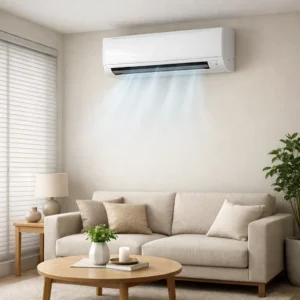
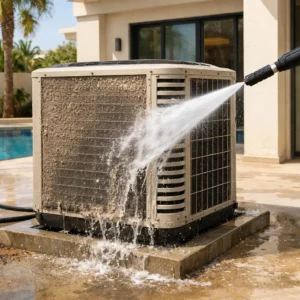
Humidity increases the risk of moisture accumulation inside AC systems. When cooling coils and drain pans remain damp, mold growth becomes more likely. Regular AC inspection and cleaning help reduce this risk. If indoor air starts to smell musty or feels heavy, it may be a sign that maintenance is overdue.
Instead of assuming the cost, it is better to consult service providers directly to understand current pricing and maintenance scope, especially since system size and condition affect the service required.
Ventilation Habits
Opening windows briefly during lower humidity periods can help balance indoor air. However, during peak summer, leaving windows open may increase indoor moisture levels.
Dehumidifier Placement
In moisture-sensitive spaces such as storage rooms, wardrobes, or poorly ventilated bathrooms, placing a dehumidifier can help reduce condensation and prevent musty odors.
Quick-Scan Monthly Comparison Guide
| Period | Humidity Feel | Physical Sensation | Suitable Activities |
|---|---|---|---|
| Peak Summer | Very high | Sticky, heavy air | Indoor activities, short outdoor exposure |
| Transitional Months | Moderate | Warm but manageable | Evening walks, light outdoor sports |
| Winter | Lower | Comfortable, breathable | Hiking, beach visits, outdoor dining |
| Fog-Prone Mornings | Moist but cool | Damp air, reduced visibility | Cautious driving, delayed outdoor travel |
Home Impact of Humidity in Ras Al Khaimah
Condensation on Windows
When indoor cooled air meets warm, humid outdoor air, condensation can form on glass and walls. Over time, this moisture may damage paint and window frames.
Musty Odors
Persistent damp smells often indicate trapped moisture in ducts, insulation, or hidden corners.
Indoor Air Quality Risks
High humidity supports mold and bacterial growth if ventilation and AC maintenance are neglected.
Maintenance Planning
Instead of waiting for visible damage, proactive inspection of AC systems and ventilation helps prevent larger problems. It is recommended to contact service providers directly for updated pricing and service details rather than relying on assumptions.
Myth vs Reality About Humidity in Ras Al Khaimah
Myth: Desert Means Dry Air
Reality: Coastal Ras Al Khaimah experiences significant humidity due to proximity to the Arabian Gulf.
Myth: Sea Breeze Always Feels Cool
Reality: In peak summer, warm sea temperatures increase moisture and make the breeze feel heavier rather than refreshing.
Myth: Humidity Is Only a Summer Issue
Reality: While most intense in summer, humidity influences fog formation and indoor conditions even in cooler months.
Conclusion
Humidity in Ras Al Khaimah shapes daily life more than many people expect. From sticky summer evenings and foggy winter mornings to microclimate differences between the shoreline and Jebel Jais elevations, moisture levels influence comfort, travel, and home maintenance. By understanding seasonal patterns, planning outdoor activities wisely, maintaining AC systems properly, and adopting smart ventilation habits, residents and visitors can manage humidity effectively rather than being surprised by it.