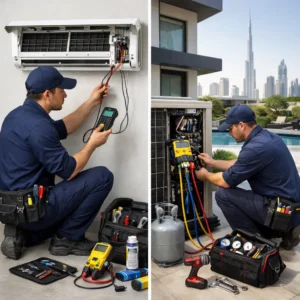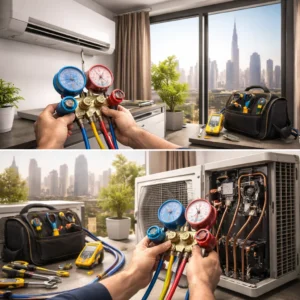





Understanding how to sanitize air ducts starts with one critical realization: sanitizing is not the same as cleaning. Many homeowners and facility managers confuse the two, which often leads to unsafe practices, ineffective results, or even health risks. In reality, sanitizing air ducts is a controlled follow-up process that should only happen after thorough debris removal. This article explains the difference clearly, outlines safe and practical steps, highlights what chemicals are appropriate or dangerous, and helps you decide when DIY is reasonable and when professional handling is the safer option.
Table of Contents
ToggleWhy Air Duct Cleaning and Sanitizing Are Not the Same
One of the biggest misconceptions around how to sanitize air ducts is the belief that spraying a disinfectant inside the ducts is enough. This is incorrect and potentially harmful.
Air duct cleaning focuses on removing physical contaminants such as:
- Dust and fine debris
- Construction residue
- Pet hair and dander
- Loose insulation particles
Air duct sanitizing, on the other hand, focuses on neutralizing microorganisms that may remain after cleaning, such as:
- Bacteria
- Mold spores
- Fungal residues
The key rule is simple but often ignored: sanitizing must always follow thorough cleaning. If debris remains in the duct, applying antimicrobial solutions can trap moisture, spread contaminants further, and create a breeding ground for microbes instead of eliminating them.
This distinction is why professional AC duct cleaning always prioritizes debris removal before any sanitizing step is considered.
What Happens If You Sanitize Without Proper Cleaning
Skipping cleaning and jumping directly to sanitizing is one of the most common and dangerous mistakes.
Here is what can go wrong:
- Microbes remain protected inside dust layers
- Chemicals react with organic debris, reducing effectiveness
- Moisture introduced during spraying increases mold risk
- Odors become stronger instead of disappearing
In some cases, occupants experience worsening allergy symptoms or respiratory irritation because contaminants are disturbed but not removed. This is why understanding how to sanitize air ducts safely means respecting the correct order of operations.
When Air Duct Sanitizing Is Actually Necessary
Not every duct system needs sanitizing. Sanitizing should be targeted, not routine.
Common situations where sanitizing may be justified include:
- After confirmed mold growth (once physically removed)
- Following water intrusion or high humidity incidents
- After pest contamination inside ductwork
- When persistent microbial odors remain after cleaning
In normal dusty environments, cleaning alone is often sufficient. Overuse of sanitizing chemicals without a real microbial problem can do more harm than good.
Safe vs Unsafe Antimicrobial Solutions for HVAC Use
A critical part of learning how to sanitize air ducts is understanding which substances are appropriate for HVAC systems and which should be avoided.
Appropriate HVAC-Safe Sanitizing Solutions
Solutions intended for HVAC use are specifically formulated to:
- Be low-odor or non-odorous
- Remain effective on metal and insulated surfaces
- Minimize inhalation risk when applied correctly
These products are typically labeled for HVAC or air-handling systems and require controlled application.
Substances to Avoid Due to Inhalation Risk
The following substances should never be used inside air ducts:
- Household bleach or chlorine solutions
- Strong disinfectants designed for hard floors
- Alcohol-based sprays in enclosed duct systems
- Unlabeled antimicrobial products
These chemicals can off-gas, irritate lungs, corrode components, and damage duct lining. Misuse is especially dangerous in systems that distribute air to multiple rooms.
Why Chemical Misuse in Air Ducts Can Be Dangerous
Improper chemical use does not just affect air quality temporarily. It can create long-term problems.
Potential risks include:
- Chronic respiratory irritation for occupants
- Damage to duct insulation and seals
- Persistent chemical odors
- Reduced system efficiency
These risks are why professional HVAC teams follow strict chemical selection and application protocols when sanitizing is required.
Practical DIY Workflow for Surface-Level Duct Sanitizing
If you are exploring how to sanitize air ducts at a DIY level, the scope must be limited. DIY sanitizing should only target accessible, surface-level areas and never replace professional cleaning.
Step 1 System Preparation and Shutdown
Before any work begins:
- Turn off the AC system completely
- Disconnect power where accessible
- Allow internal components to dry if recently used
This prevents chemical spread through airflow and protects the system.
Step 2 Basic Surface Vacuuming
Use a vacuum with proper filtration to remove loose dust from:
- Visible duct openings
- Return grilles
- Supply vents
This step is essential before any sanitizing application.
Step 3 Controlled Application of HVAC-Safe Solution
Apply only HVAC-approved antimicrobial solutions using controlled methods:
- Light misting, not soaking
- Targeted application, not full-system flooding
- Avoid overspray on insulation
Never spray blindly deep into ducts without visibility.
Step 4 Focus on High-Risk Components
Microbial growth is more likely in moisture-prone areas, such as:
- Evaporator coils
- Drain pans and drain lines
- Nearby duct sections exposed to condensation
These areas often require deeper attention, which is why professional AC deep cleaning is recommended when contamination is suspected.
Step 5 Drying and Post-Work Sealing
After application:
- Allow treated areas to dry completely
- Seal access points properly
- Do not restart the system until odors dissipate
Tools and Equipment Overview (No Brands)
Understanding how to sanitize air ducts safely also means using the right type of tools.
Typical categories of equipment include:
- Application devices suitable for fine mist control
- Protective gear such as gloves and respiratory protection
- Access tools for opening and resealing duct panels
- Inspection tools to verify coverage and cleanliness
Costs can vary depending on system size and access complexity, but pricing should always be secondary to safety and effectiveness.
Why Professional Sanitizing Is Often the Safer Choice
While limited DIY steps can reduce surface contamination, full duct sanitizing is rarely safe without professional training.
Professional teams can:
- Confirm whether sanitizing is actually needed
- Use calibrated equipment for even application
- Protect sensitive HVAC components
- Ensure safe re-occupancy timing
This is why many property owners choose professional air duct cleaning and sanitization services rather than risking system damage or health exposure.
Long-Term Prevention to Reduce the Need for Sanitizing
The best solution is reducing recurrence. Preventive strategies include:
Airflow Hygiene
Balanced airflow reduces condensation and dust accumulation.
Filtration Balance
Using appropriate filters and replacing them regularly prevents debris from entering ducts.
Moisture Control
Proper drainage and humidity control reduce microbial growth.
System Add-Ons
In some systems, UV or air purification add-ons may help reduce microbial load when installed correctly.
Final Safety Checklist Before You Sanitize Air Ducts
- System powered off and isolated
- Cleaning completed before sanitizing
- Only HVAC-approved products used
- Controlled application methods applied
- Occupants kept away until drying is complete
When Duct Issues Should Be Handled Professionally
Air duct issues involving mold, persistent odors, or moisture damage rarely resolve on their own. If mishandled, they can degrade air quality, affect respiratory health, and damage HVAC components. Bio On Air addresses these risks through structured inspection, safe cleaning order, and appropriate sanitizing when required. Acting early prevents escalation. You can use the WhatsApp or Call button at the top right of this page to discuss your duct condition with our team.
Conclusion
Learning how to sanitize air ducts correctly means understanding that sanitizing is not a shortcut, but a controlled final step after proper cleaning. The distinction between debris removal and microbial neutralization is critical. Using the wrong chemicals or skipping steps can create serious health and system risks.
For most properties, prevention through regular cleaning, filtration, and moisture control reduces the need for sanitizing altogether. When sanitizing is necessary, careful application and professional handling protect both indoor air quality and HVAC system integrity. The safest approach is always one that prioritizes order, suitability, and long-term system health.