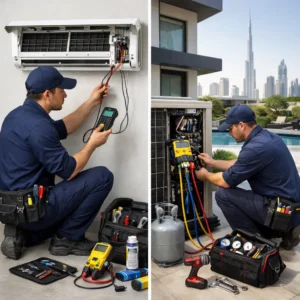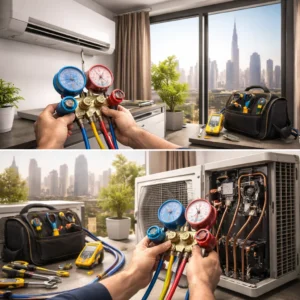





Home ac installation is one of the most important decisions homeowners make for long-term comfort, energy use, and indoor air quality. A well-installed system can run efficiently for years, while a poorly planned installation can lead to uneven cooling, higher electricity bills, and frequent breakdowns. This guide explains how to choose the right AC system for your home, what technical factors matter most, and how to avoid costly mistakes during installation.
Table of Contents
ToggleWhy Home AC Installation Is More Than Just Buying a Unit
Many homeowners assume home AC installation is mainly about choosing a brand and a price. In reality, installation quality often matters more than the unit itself. Even a high-end system can perform poorly if it is incorrectly sized, poorly installed, or connected to unsuitable ductwork.
The biggest pain point we see is regret after installation: rooms that never cool evenly, systems that cycle on and off too often, or electricity bills that feel much higher than expected. These issues usually trace back to decisions made before and during installation, not to the AC unit being “bad.”
Understanding the fundamentals helps you make decisions based on logic and long-term comfort rather than sales pressure.
System Right-Sizing Fundamentals and Load Calculation
Right-sizing is the foundation of proper home ac installation. It means selecting a system that matches your home’s actual cooling needs, not just its floor area.
Professional installers use load calculation standards to estimate how much cooling your home requires. This process considers:
- Home size and layout
- Ceiling height
- Insulation quality
- Window size, orientation, and shading
- Number of occupants and typical usage patterns
Skipping proper load calculation is one of the most common mistakes in home AC installation. Relying on rough rules of thumb may seem faster, but it often leads to systems that are either oversized or undersized.
Understanding BTU and Tonnage in Simple Terms
BTU (British Thermal Unit) and tonnage describe how much heat an AC system can remove. For homeowners, the key point is not memorizing numbers, but understanding matching.
An AC system must match your home’s cooling load. When BTU or tonnage is mismatched, performance and comfort suffer.
Correct matching helps ensure:
- Stable indoor temperature
- Consistent airflow
- Lower strain on components
- More predictable energy use
This is why professional assessment is critical before committing to any unit.
The Risks of Oversizing an AC System
Many homeowners believe a bigger AC will cool faster and better. In practice, oversizing often causes new problems.
Oversized systems tend to cool rooms too quickly and shut off before removing enough humidity. This can lead to:
- Clammy or uncomfortable indoor air
- Frequent on-off cycling
- Higher wear on components
- Shorter system lifespan
In hot climates, humidity control is just as important as temperature. Oversizing sacrifices that balance.
The Risks of Undersizing an AC System
Undersizing creates a different set of issues. An undersized system works constantly, trying to keep up with demand.
Common consequences include:
- Rooms that never reach the desired temperature
- Continuous operation and higher electricity use
- Overheating of components
- Earlier system failure
Undersizing often happens when installation decisions prioritize lower upfront cost instead of correct system matching.
Modern Efficiency Ratings Explained Using Cost-vs-Savings Logic
Efficiency ratings like SEER2 are designed to help compare how efficiently AC systems convert electricity into cooling.
Rather than focusing on exact numbers, think of efficiency in terms of trade-offs:
- Higher efficiency systems usually cost more upfront
- They typically use less electricity over time
- Savings depend on usage patterns and climate
For homes where AC runs many hours daily, efficiency improvements can significantly reduce long-term operating cost. For lighter usage, the return may be slower.
A good installer explains this logic clearly so you can decide what makes sense for your household rather than pushing the highest-rated option by default.
Central AC Installation for Homes With Existing Ducts
Central AC systems are common in homes with existing ductwork. They distribute cooled air through vents across multiple rooms.
This option works well when:
- Ducts are already installed and in good condition
- You want consistent cooling throughout the home
- You prefer a single, centralized system
However, central AC installation depends heavily on duct quality. Poor ducts can reduce efficiency and comfort regardless of system quality.
Ductless Mini-Split Systems for Flexible Layouts
Ductless mini-split systems are popular in homes without ducts or where room-by-room control is desired.
They are often suitable when:
- Homes lack existing ductwork
- Additions or renovations need independent cooling
- Zoning and individual room control are priorities
Mini-splits can be efficient and flexible, but placement and sizing still matter. Incorrect installation can lead to uneven airflow or aesthetic concerns.
Heat Pump Systems for Long-Term Energy Goals
Heat pump systems provide both cooling and heating. They are increasingly considered by homeowners focused on long-term efficiency.
Heat pumps may suit homes where:
- Year-round climate control is needed
- Energy efficiency is a long-term goal
- Future energy cost stability is a priority
Choosing this option requires understanding how your local climate affects performance and whether your home’s electrical system is ready.
Often-Overlooked Installation Factors That Affect Performance
Even the right system can fail to deliver comfort if installation details are ignored. These factors are frequently overlooked during home ac installation:
- Duct condition: Leaks, poor insulation, or improper sizing reduce efficiency.
- Refrigerant line suitability: Incorrect sizing or routing affects performance.
- Mounting requirements: Poor mounting can cause vibration and noise.
- Electrical readiness: Panels, breakers, and wiring must match system demand.
- Drainage: Improper drainage can cause leaks and moisture issues.
- Thermostat compatibility: Not all thermostats work with all systems.
Professional installers review these details before installation, not after problems appear.
Why Professional Home AC Installation Is Required
DIY installation may look tempting in videos, but modern AC systems involve regulated processes and safety considerations.
Professional installation is required because:
- Refrigerant handling is legally regulated
- Certification is required for safe charging and testing
- Incorrect installation can void manufacturer warranties
- Improper wiring or drainage can cause damage or safety risks
Professional installation protects not only the system but also your investment and warranty coverage.
Warranty Implications and Long-Term Protection
Most AC manufacturers require certified installation to maintain warranty validity. Skipping this step can leave homeowners unprotected if a major component fails.
A proper installation includes documentation, commissioning checks, and verification that the system operates within design parameters.
This documentation matters if service or replacement is needed later.
Understanding Incentives, Rebates, and Credits
In some regions, incentives such as tax credits or utility rebates are available for high-efficiency systems.
Eligibility varies based on:
- System type and efficiency rating
- Local regulations and utility programs
- Installation by certified professionals
Homeowners should check local eligibility and requirements before installation. A knowledgeable contractor can guide you on what may apply.
How to Compare Home AC Installation Quotes Confidently
Comparing quotes can be confusing when each contractor presents information differently.
A strong comparison framework includes:
- Confirmation that load calculations were performed
- Written scope of work detailing installation steps
- Clear explanation of included materials and labor
- Permit handling where required
- Warranty coverage on both parts and labor
Quotes that seem cheaper often omit important steps that later become added costs.
Contractor Evaluation Checklist for Homeowners
Before approving any home ac installation, review this checklist:
- Did the contractor perform a load calculation?
- Is the scope of work written and specific?
- Are permits and inspections included if required?
- Is warranty information clearly explained?
- Is post-installation support available?
This checklist helps prevent costly mistakes and protects you from unclear commitments.
When Installation Becomes Replacement
In some cases, upgrading or replacing an existing system makes more sense than repeated repairs.
If you are unsure whether repair or replacement is the better option, reviewing professional AC installation and replacement guidance can help clarify long-term cost and comfort considerations.
When Home AC Installation Should Be Handled Carefully
Improper installation can lead to ongoing comfort issues, increased energy consumption, and premature system failure. These risks grow when decisions are rushed or based solely on upfront price. Bio On Air approaches home ac installation with careful assessment, clear explanations, and attention to long-term performance. Acting thoughtfully at this stage helps prevent repeated costs and ensures your home remains comfortable and efficient for years. If you want to discuss system options or installation readiness, you can use the WhatsApp or Call button at the top right of this page to speak with our team.
Conclusion
Home ac installation is not just a technical task; it is a long-term decision that affects comfort, health, and energy use. Proper right-sizing, system selection, and professional installation help avoid common problems like uneven cooling, high bills, and frequent breakdowns.
By understanding load calculations, efficiency trade-offs, installation options, and contractor evaluation criteria, homeowners can make informed choices with confidence. A careful installation process protects your investment and supports reliable performance for years, making it one of the most valuable steps in creating a comfortable home environment.