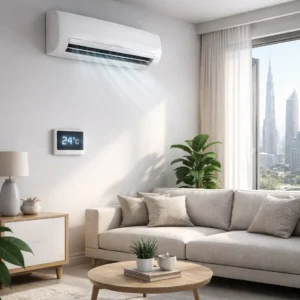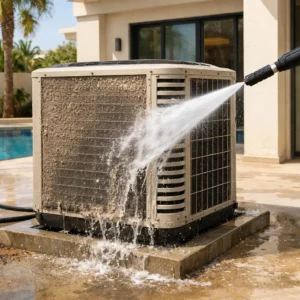





Understanding air quality testing in Dubai is essential for maintaining a healthy indoor environment, especially in sealed, air-conditioned spaces common across the UAE. This guide explains what is tested, how the process works, pricing ranges, regulatory standards, and how results translate into real actions for improving indoor air quality.
Table of Contents
ToggleWhy Air Quality Testing Matters in Dubai
In Dubai, most indoor spaces rely heavily on air conditioning with minimal natural ventilation. Windows remain closed for long periods to maintain cooling efficiency. While this improves comfort, it also traps pollutants inside.
Common indoor risks include:
- Dust and fine particles circulating through AC systems
- Humidity-related microbial growth (mold and bacteria)
- Chemical emissions from furniture, paint, and cleaning products
- Accumulation of carbon dioxide due to limited fresh air exchange
This makes air quality testing not just a technical service, but a practical way to understand what you are breathing daily.
Key Parameters Measured in Air Quality Testing
1. Particulate Matter (PM2.5 and PM10)
These are microscopic particles that can enter the respiratory system. PM2.5 is especially dangerous because it can penetrate deep into the lungs.
- Sources: dust, sandstorms, construction, AC duct contamination
- Impact: allergies, breathing irritation, long-term health risks
2. Volatile Organic Compounds (VOCs)
VOCs are gases released from indoor materials such as furniture, adhesives, and cleaning agents.
- Sources: paint, air fresheners, new furniture
- Impact: headaches, dizziness, irritation
3. Biological Contaminants
This includes mold spores, bacteria, and allergens present in indoor air.
- Sources: humidity, AC systems, water leaks
- Impact: respiratory problems, asthma triggers
4. Gas Levels (CO2, CO, and Others)
Air testing also measures gas concentrations.
- CO2: indicates ventilation efficiency
- CO: dangerous gas from combustion sources
- Other gases: may indicate chemical contamination
Dubai-Specific Environmental Factors
1. Sealed Indoor Environments
Most buildings in Dubai are designed to be energy-efficient, meaning they are tightly sealed. This reduces fresh air exchange and allows pollutants to accumulate.
2. Constant AC Usage
Air conditioning runs almost continuously, which means any contamination inside the system can circulate throughout the property.
3. Humidity and Condensation
Indoor humidity combined with cold AC surfaces creates condensation, which can lead to mold growth in ducts and hidden areas.
4. Sandstorms and Outdoor Dust
Dust from sandstorms can enter buildings and settle in ducts, filters, and indoor surfaces.
This is why many indoor air issues in Dubai are linked to AC systems and airflow conditions.
Regulatory Standards and Compliance in Dubai
Dubai Municipality Guidelines
Dubai Municipality sets indoor air quality standards for residential and commercial spaces. These include acceptable limits for particulate matter, CO2 levels, and biological contaminants.
Al Sa’fat Green Building Standards
Al Sa’fat focuses on sustainability and indoor environmental quality. It encourages regular monitoring of indoor air to ensure healthy living conditions.
International Benchmarks
Air quality testing often follows global standards such as:
- ASHRAE guidelines
- WHO air quality recommendations
- EPA indoor air quality standards
These frameworks help ensure testing results are reliable and comparable.
Step-by-Step Air Quality Testing Process
1. Initial Inspection
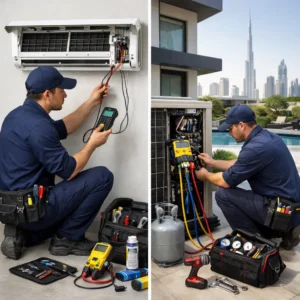
The process starts with a visual assessment of the property, including AC systems, ducts, and potential contamination sources.
2. Air Sampling
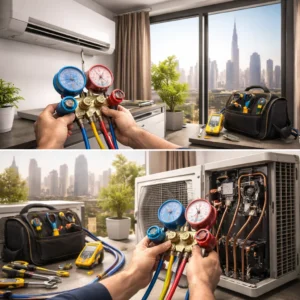
Specialized equipment is used to collect air samples from different areas of the property.
- Living areas
- Bedrooms
- Near AC vents
3. Surface Sampling (Optional)
If mold or contamination is suspected, surface samples may be taken.
4. Laboratory Analysis
Samples are analyzed in a lab to identify pollutants, particle levels, and biological contaminants.
5. Reporting
A detailed report is provided, including:
- Measured values
- Comparison with standards
- Identified risks
- Recommended actions
Air Quality Testing Cost in Dubai
The cost for air quality testing varies depending on the type of testing and property size.
| Service Type | Estimated Price Range (AED) | Scope |
|---|---|---|
| Basic Air Quality Testing | 500 – 1,200 | PM, CO2, basic inspection |
| Advanced Testing (with lab analysis) | 1,200 – 3,000 | VOC, biological testing |
| Comprehensive Testing | 2,500 – 5,000+ | Full indoor air analysis |
| Commercial Testing | 3,000 – 10,000+ | Large-scale assessment |
Note: These prices are slightly below typical market averages and may vary depending on property size, number of sampling points, and testing scope.
Post-Remediation Verification Testing Cost
After cleaning or remediation, verification testing ensures the problem has been resolved.
- Basic verification: AED 400 – 800
- Full verification with lab report: AED 1,000 – 2,500
This step is important to confirm that air quality has improved.
Turnaround Time and Certification
- On-site readings: immediate results
- Laboratory analysis: 24–72 hours
- Detailed report: within 2–4 days
Some providers also issue certification reports, which may be required for compliance or property management purposes.
How to Read Air Quality Test Results
Understanding the results helps you take action.
- High PM levels: indicates dust or duct contamination
- High VOC levels: indicates chemical emissions
- Mold presence: indicates moisture or AC-related issues
- High CO2: indicates poor ventilation
Each result points to a specific problem that can be addressed.
How Testing Leads to Practical Solutions
Air quality testing is not just about data—it helps identify actionable steps.
- High dust → duct cleaning or filter replacement
- Mold detection → deep cleaning and moisture control
- High VOC → ventilation improvement
- High CO2 → airflow adjustment
In many cases, improving indoor air quality involves addressing AC system hygiene, airflow balance, and humidity control.
Common Signs You Need Air Quality Testing
- Persistent allergies indoors
- Musty or unusual smell
- Frequent dust accumulation
- Unexplained respiratory discomfort
These signs often indicate hidden indoor air issues.
Residential vs Commercial Testing Differences
| Aspect | Residential | Commercial |
|---|---|---|
| Scope | Limited rooms | Multiple zones |
| Complexity | Moderate | High |
| Cost | Lower | Higher |
Long-Term Value of Air Quality Testing
Air quality testing helps prevent:
- Health issues
- AC inefficiency
- Hidden contamination buildup
It provides clarity, allowing you to take targeted action instead of guessing.
If you are experiencing signs of poor indoor air or want to ensure your environment is safe, addressing it early is important. Indoor pollutants, hidden mold, and airflow issues can quietly affect health, increase energy usage, and reduce AC efficiency. With the right testing approach, these risks can be identified and managed properly. If you need clarity about your indoor air condition, you can use the WhatsApp or Call button on the top right to connect with the Bio On Air team and understand the most suitable next step.
Conclusion
Air quality testing in Dubai provides a clear understanding of what is inside your indoor environment. By identifying pollutants, measuring key parameters, and linking results to actionable solutions, it helps improve both health and AC system performance in a sustainable way.