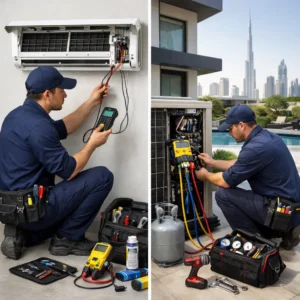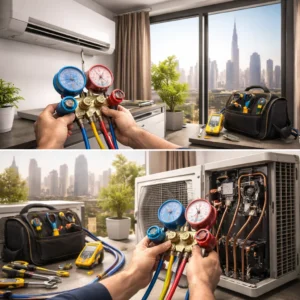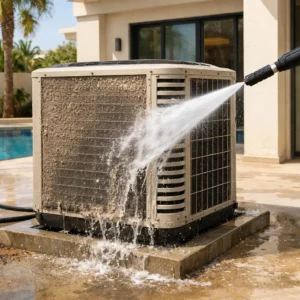





An air duct temperature sensor is often introduced when people feel something is “off” with their comfort, even though the HVAC system seems to be running. One room feels too cold while another stays warm, upstairs and downstairs never match, the AC cycles on and off too frequently, or energy bills keep rising even when usage habits have not changed. These issues are frustrating because they feel invisible. A temperature sensor inside or connected to the air duct system helps make these hidden problems measurable, understandable, and solvable.
Table of Contents
ToggleHow an Air Duct Temperature Sensor Solves Everyday Comfort Problems
Most comfort complaints are not caused by a completely broken HVAC system. Instead, they are caused by imbalance. Air is cooling or heating unevenly, the system is reacting too early or too late, or conditioned air is being wasted in spaces that do not need it.
An air duct temperature sensor helps address these problems by showing what is actually happening inside the system, not just what the thermostat reports in one location.
Common comfort issues an air duct temperature sensor helps identify include:
- Uneven temperatures between rooms: Some rooms receive air that is cooler or warmer than others due to duct layout, distance, or airflow restrictions.
- Temperature differences between floors: Heat naturally rises, so upper floors often feel warmer. Sensors help confirm how supply air temperature changes as it travels.
- Incorrect HVAC cycling: Systems may turn on and off too frequently if sensors or controls receive inaccurate temperature information.
- Energy waste: Conditioning unused or low-priority spaces wastes energy. Sensors help reveal where air is being delivered unnecessarily.
Instead of guessing, a sensor provides data. That data allows adjustments that improve comfort without immediately replacing equipment.
Main Types of Air Duct Temperature Sensors by Function
Not all air duct temperature sensors serve the same purpose. Understanding the different types helps you choose the right solution and avoid using a sensor in a way it was not designed for.
In-Duct Probe Sensors for System Performance Checks
In-duct probe sensors are installed directly inside the ductwork. Their main role is to measure the temperature of air moving through the system.
These sensors are commonly used to:
- Check how effectively the HVAC system is heating or cooling air.
- Compare air temperature at different points in the duct network.
- Support diagnostics when performance feels weak or inconsistent.
Because they sit inside the duct, probe sensors reflect actual supply or return air conditions rather than room-level perception. They are especially useful during inspections, commissioning, or troubleshooting.
Room or Wireless Sensors for Comfort Balancing
Room sensors, including wireless or smart sensors, are designed to represent how occupants actually feel. While not always installed inside ducts, they often work together with duct sensors.
These sensors help with:
- Balancing comfort between rooms or zones.
- Improving thermostat accuracy beyond a single wall location.
- Adjusting airflow or system response based on occupied spaces.
When paired with duct temperature data, room sensors help explain why a space feels uncomfortable even when supply air temperature looks normal.
Safety Limit Sensors for Overheating Protection
Some air duct temperature sensors are designed primarily for safety. These sensors monitor extreme temperatures to protect equipment and prevent damage.
They are used to:
- Detect overheating in heating systems.
- Shut down equipment when unsafe conditions appear.
- Protect duct materials, wiring, and internal components.
While these sensors are not focused on comfort, they are critical for system reliability and safety.
Understanding Return vs Supply Air Temperature Difference
One simple but powerful concept when using an air duct temperature sensor is comparing the temperature of return air and supply air.
The return air temperature represents the air coming back from rooms into the HVAC system. The supply air temperature represents the conditioned air being delivered back into the space.
The difference between these two values gives a general picture of system health:
- A noticeable difference usually indicates that heating or cooling is occurring.
- A very small difference may suggest weak performance, airflow issues, or control problems.
- An unusually large difference may point to airflow restriction or sensor placement errors.
You do not need exact numbers to benefit from this comparison. The goal is to see whether the system is consistently creating a meaningful change between incoming and outgoing air.
Technicians often use this method during professional inspections or repair visits to confirm whether the system is working as intended before recommending further action.
Correct Installation and Placement Strategy
Incorrect placement is one of the most common reasons air duct temperature sensors give misleading readings. A well-chosen sensor in the wrong location can still cause problems.
Distance from Coils and Heat Sources
Sensors placed too close to cooling coils, heating elements, or furnaces may read extreme temperatures that do not represent actual airflow conditions.
Proper placement usually requires:
- A safe distance downstream from coils.
- Avoiding direct radiant heat exposure.
- Allowing air to mix before measurement.
Avoiding Walls and Airflow Turbulence
Mounting a sensor near duct walls or sharp bends can cause false readings due to turbulence or heat transfer from duct surfaces.
For more accurate results:
- Position sensors in straight duct sections.
- Avoid locations immediately after turns or junctions.
- Ensure the probe is centered in the airflow path when possible.
Considerations for Smart-Home Compatibility
Many modern air duct temperature sensors integrate with smart thermostats or building management systems.
Before installation, it is important to confirm:
- Signal strength for wireless sensors.
- Compatibility with existing controls.
- How sensor data is used in system logic.
Improper integration can lead to delayed response, incorrect cycling, or ignored data.
Common Troubleshooting Issues with Air Duct Temperature Sensors
Even properly installed sensors can develop issues over time. Knowing common problems helps prevent unnecessary system changes.
Dust Buildup and Contamination
Dust accumulation on sensors can insulate the sensing element, slowing response or skewing readings.
This often happens in systems with:
- Poor filtration.
- Dirty ductwork.
- Infrequent maintenance.
In such cases, duct hygiene and periodic cleaning play an important role. Professional AC duct cleaning helps maintain accurate sensor performance and overall airflow quality.
Wiring or Signal Issues
For wired sensors, loose connections or damaged cables can cause intermittent readings. For wireless sensors, signal interference or battery issues may be responsible.
Symptoms include:
- Sudden temperature jumps.
- Readings that freeze or lag.
- System behavior that does not match actual comfort.
Slow or Inaccurate Readings
Older or low-quality sensors may respond slowly to temperature changes. This delay can cause HVAC systems to overreact or underreact.
When systems cycle incorrectly, it is often assumed the equipment is faulty. In reality, the sensor may simply not be providing timely data.
Basic Calibration Checks
Over time, sensors can drift slightly from accuracy. Simple calibration checks during maintenance visits help confirm reliability.
This is often part of professional AC maintenance routines, where sensors, controls, and airflow are reviewed together rather than in isolation.
Pricing Considerations for Air Duct Temperature Sensors
When people ask about air duct temperature sensors, the question often becomes “tell the price.” Instead of focusing on exact figures, it is more useful to understand what affects cost.
Pricing depends on:
- The type of sensor (basic probe, smart sensor, safety limit).
- Installation complexity and access to ductwork.
- Integration with existing HVAC controls.
- Whether the sensor is part of a diagnostic visit or a larger system upgrade.
In many cases, sensors are installed as part of a broader service, such as system inspection, repair, or optimization. During professional AC repair, sensors are often used to confirm performance and guide decisions rather than sold as standalone items.
The key takeaway is transparency. A reliable service provider explains what the sensor does, why it is needed, and how it contributes to comfort and efficiency before proceeding.
What Comes After Sensors: Zoning and Airflow Control
An air duct temperature sensor often reveals the real problem: the system is capable, but air is not being distributed where and when it is needed.
The natural next step after sensors is zoning.
Zoning solutions use:
- Dampers inside ducts to control airflow.
- Smart vents that respond to room conditions.
- Control logic that prioritizes occupied spaces.
With zoning, conditioned air is directed only where needed, reducing waste and improving comfort across floors or rooms.
Sensors provide the data. Zoning uses that data to act.
When Sensor Data Points to a Bigger Issue
Sometimes sensor readings show that comfort problems are not caused by controls or airflow alone. They may point to deeper issues such as:
- Undersized or oversized equipment.
- Severely restricted ductwork.
- Aging systems losing efficiency.
In these cases, sensors help prevent guesswork. Instead of repeatedly adjusting settings, data supports informed decisions about repair, cleaning, or eventual replacement.
Understanding AC installation and replacement options becomes easier when you can clearly see how the current system performs.
Conclusion
An air duct temperature sensor turns invisible comfort problems into measurable information. It helps explain why rooms feel uneven, why systems cycle incorrectly, and where energy is being wasted. By understanding sensor types, correct placement, and basic troubleshooting, homeowners and building managers can make smarter decisions without relying on guesswork.
Sensors alone do not fix comfort issues, but they guide the solution. Whether the next step is airflow adjustment, cleaning, maintenance, or zoning, accurate temperature data provides clarity. In a climate where indoor comfort and energy efficiency matter every day, an air duct temperature sensor is often the starting point for a healthier, more balanced HVAC system.