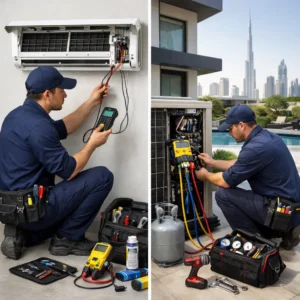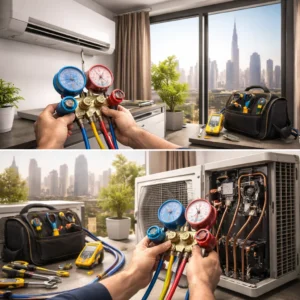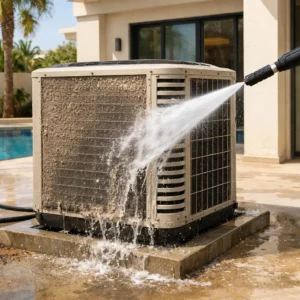





Air duct gasket problems are rarely obvious at first. Many people notice small signs—air leaks around vents, a whistling noise when the AC runs, rooms that never cool evenly, dust collecting near diffusers, or energy bills that keep climbing without a clear reason. These symptoms often feel unrelated, but in many HVAC systems they point to one overlooked component: the air duct gasket. Understanding how gaskets work, why they fail, and how to choose the right one can help you fix comfort issues, protect indoor air quality, and control long-term energy costs.
Table of Contents
ToggleCommon Problems That Point to an Air Duct Gasket Issue
Air duct gaskets are designed to seal the connection points between duct sections, flanges, access doors, and equipment. When they degrade or are poorly installed, several problems can appear at the same time.
Typical problem-based triggers include:
- Air leaks around vents or duct joints: cool air escapes before reaching the room.
- Whistling or hissing noise: air is forced through small gaps under pressure.
- Uneven temperatures: some rooms feel colder while others remain warm.
- Dust buildup around vents: unsealed gaps pull dust into the airflow.
- Rising energy usage: the system works harder to compensate for lost air.
These issues often lead people to suspect the AC unit itself. However, even a perfectly functioning AC cannot perform efficiently if the duct system leaks. In many cases, replacing or upgrading the air duct gasket solves multiple comfort and efficiency problems at once.
Why Air Duct Gaskets Matter More Than You Think
An air duct gasket may seem like a small accessory, but it plays a critical role in sealing efficiency. Every joint in a duct system is a potential leak point. Without a proper gasket, air escapes, pressure drops, and the system loses balance.
From a comfort perspective, a good gasket ensures that conditioned air reaches its intended destination. This improves temperature consistency across rooms and reduces the need to overcool or overheat certain areas.
From an air quality perspective, gaskets prevent unfiltered air from entering the system. When gaps exist, dust, insulation fibers, and even moisture can be drawn into the airflow, reducing indoor air quality and increasing maintenance needs.
From a cost perspective, sealing efficiency directly affects energy consumption. Studies consistently show that duct leakage can waste a significant portion of conditioned air. Over time, this translates into higher electricity bills and additional wear on HVAC equipment.
How Air Duct Gaskets Improve Sealing Efficiency
Air duct gaskets work by creating a compressible seal between two rigid surfaces. When installed correctly, the gasket fills microscopic gaps caused by metal irregularities, vibration, or thermal expansion.
Key functions of a gasket include:
- Maintaining airtight seals under pressure changes.
- Absorbing vibration to prevent loosening over time.
- Compensating for minor misalignment in duct flanges.
- Providing a barrier against moisture and contaminants.
Without a gasket, installers often rely solely on fasteners and sealants. While these can help, they rarely provide the same long-term flexibility and durability as a proper gasket system.
Air Duct Gasket Material Options and Use Cases
Choosing the right gasket material is essential. Different environments, temperatures, and system designs require different properties. Below is an overview of common gasket materials and where they are best used.
Foam Gaskets
Foam gaskets are lightweight, compressible, and easy to install. They are commonly used in residential and light commercial systems.
- Best for: low to moderate pressure ducts, access panels.
- Advantages: easy compression, good initial seal.
- Limitations: may degrade faster under high heat or moisture.
Rubber and EPDM Gaskets
Rubber-based gaskets, including EPDM, offer better resistance to moisture and aging.
- Best for: humid environments, outdoor duct connections.
- Advantages: good flexibility, long lifespan.
- Limitations: moderate heat tolerance.
Neoprene Gaskets
Neoprene is widely used in commercial HVAC due to its balance of flexibility and durability.
- Best for: vibration-prone systems, equipment flanges.
- Advantages: vibration control, oil and moisture resistance.
- Limitations: higher cost than basic foam.
Silicone Gaskets
Silicone gaskets are designed for extreme conditions.
- Best for: high-temperature ducts, industrial systems.
- Advantages: excellent heat tolerance, stable sealing.
- Limitations: higher upfront cost.
Moisture Resistance, Vibration Control, and Heat Tolerance
When selecting an air duct gasket, material properties should match the environment. Moisture resistance is critical in areas with high humidity or condensation risk. Gaskets that absorb moisture can lose shape and sealing ability.
Vibration control matters near fans, blowers, and mechanical rooms. Systems constantly vibrate during operation, and rigid seals may loosen over time. Flexible gaskets help absorb these movements.
Heat tolerance is essential for ducts carrying warm air or passing near heat sources. Using a low-temperature gasket in a high-heat zone leads to hardening, cracking, and seal failure.
Sizing and Compatibility: Getting the Fit Right
Even the best gasket material will fail if it is incorrectly sized. Compatibility depends on three main factors: flange width, gasket thickness, and compression range.
Duct Flange Width
The gasket must fully cover the flange surface without overhanging excessively. Too narrow, and gaps remain. Too wide, and the gasket may fold or deform during fastening.
Gasket Thickness
Thickness determines how well the gasket compresses. A gasket that is too thin may not seal uneven surfaces. One that is too thick may prevent proper fastening or create excessive stress.
Compression and Fit
Correct compression ensures a tight seal without crushing the material. Over-compression shortens gasket lifespan, while under-compression leads to leaks.
Installation Workflow for Air Duct Gaskets
Proper installation is just as important as material choice. A typical installation workflow includes several critical steps.
Surface Preparation
All flange surfaces should be clean, dry, and free of old sealant, dust, or oil. Poor preparation prevents proper bonding and compression.
Gasket Placement and Adhesive Bonding
The gasket should be aligned carefully along the flange. In some systems, adhesive backing or bonding agents are used to hold the gasket in place before assembly.
Correct Compression and Fastening
Fasteners should be tightened evenly in a cross-pattern to distribute pressure. Uneven tightening causes gaps and deformation.
Final Inspection
After installation, visual inspection and airflow checks help confirm that the seal is effective.
Maintenance and Lifespan Indicators
Air duct gaskets are not maintenance-free. Over time, they age and wear.
Common indicators that replacement is needed include:
- Hardening or cracking of the gasket material.
- Loss of elasticity and compression.
- Visible air leaks or noise returning.
- Dust appearing around sealed joints.
In most residential systems, gaskets last several years, but harsh environments may shorten lifespan.
Reinforcement Options for Permanent Sealing
In high-demand systems, gaskets are sometimes combined with additional sealing methods.
- Sealant tapes for added airtightness.
- Mastic coatings over joints.
- Mechanical reinforcement in high-pressure areas.
These options increase durability and reduce long-term maintenance.
Comparison of Common Air Duct Gasket Types
| Gasket Type | Typical Application | Durability | Heat Tolerance |
|---|---|---|---|
| Foam | Residential ducts | Medium | Low |
| EPDM | Humid environments | High | Medium |
| Neoprene | Commercial HVAC | High | Medium |
| Silicone | High-temperature systems | Very High | High |
Choosing the Right Air Duct Gasket Based on Symptoms
Decision-making becomes easier when symptoms, environment, and goals are aligned.
- Whistling noise and leaks: prioritize compressibility and proper sizing.
- Dust around vents: focus on airtight sealing and contamination resistance.
- High humidity: choose moisture-resistant materials like EPDM.
- High heat: select silicone-based gaskets.
- Long-term reliability: consider reinforcement options.
Pricing and Purchasing Considerations
Air duct gasket prices vary depending on material, thickness, and application. Basic foam gaskets are generally more affordable, while silicone and neoprene options cost more due to durability and performance.
When purchasing, always check:
- Material specifications and temperature rating.
- Compatibility with duct flange dimensions.
- Installation requirements and adhesive needs.
While initial cost matters, long-term sealing efficiency often provides greater savings through reduced energy waste and fewer repairs.
Conclusion
An air duct gasket may seem like a minor detail, but it has a major impact on HVAC performance, comfort, and operating cost. Problems such as air leaks, noise, uneven temperatures, dust, and rising energy bills often trace back to poor sealing at duct connections.
By understanding why gaskets matter, choosing the right material, ensuring correct sizing, and following proper installation and maintenance practices, you can significantly improve system efficiency and indoor comfort. In the long run, investing in the right air duct gasket is not just a technical decision—it is a practical step toward healthier air, lower energy use, and more reliable HVAC operation.