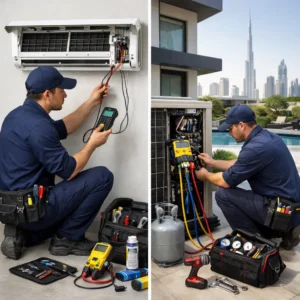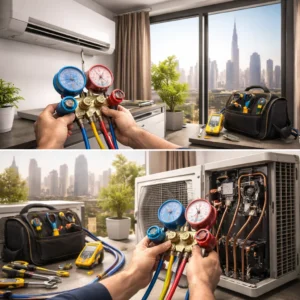





AC wall change is a situation many homeowners and tenants face when an existing air conditioner no longer fits their needs, layout, or comfort expectations. This can mean replacing an old in-wall AC unit, relocating a mini-split indoor unit to a different wall, or converting a window AC into a permanent wall installation. While it may sound like a simple swap or move, an AC wall change involves multiple technical, structural, and comfort-related considerations that directly affect performance, safety, and long-term cost.
This guide is written to help you clearly identify your AC wall change scenario, understand what is technically feasible, recognize the risks of oversimplifying the job, and know when professional handling is the safer and more cost-effective choice. The focus is not on selling a service, but on helping you avoid common mistakes that lead to poor cooling, humidity problems, repeated repairs, or permanent wall damage.
Table of Contents
ToggleWhat Does “AC Wall Change” Actually Mean
The term AC wall change is often used broadly, but in practice it can refer to several very different situations. Each scenario comes with its own level of complexity, risk, and technical requirements.
The most common AC wall change scenarios include:
- Replacing an existing in-wall AC unit with a new one
- Relocating a mini-split indoor unit from one wall to another
- Converting a window AC into a permanent wall installation
Understanding which scenario applies to you is the first step. Treating all of them as “just moving the AC” is where many problems begin.
Replacing an Existing In-Wall AC Unit
Replacing an in-wall AC unit is often assumed to be the simplest AC wall change. The logic seems straightforward: remove the old unit and slide in a new one. In reality, this only works smoothly if several conditions are met.
An in-wall AC unit usually sits inside a metal sleeve built into the wall. This sleeve was designed for a specific size, weight, and airflow pattern. Problems arise when:
- The new unit is from a different brand with different dimensions
- The sleeve is damaged, rusted, or no longer level
- The wall opening has shifted due to settling or past modifications
Even a small mismatch can lead to gaps around the unit, vibration noise, air leakage, or water penetration. These issues may not be obvious on day one, but they often show up later as drafts, pest entry, or moisture damage inside the wall.
Another overlooked factor is electrical compatibility. Older in-wall units may use a different circuit rating than modern models. Reusing the same outlet without verifying capacity can overload the circuit or trip breakers repeatedly.
Relocating a Mini-Split Indoor Unit to a Different Wall
Relocating a mini-split indoor unit is a more complex type of AC wall change. Unlike in-wall or window units, mini-split systems are designed with specific piping lengths, drainage slopes, and airflow clearances in mind.
When moving a mini-split indoor unit to a different wall, several technical checks are required:
- Wall type: concrete, block, drywall, or partition walls each behave differently
- Structural safety: avoiding load-bearing elements or hidden reinforcements
- Refrigerant piping route: ensuring length and bends remain within system limits
- Drainage slope: maintaining gravity-assisted water flow to prevent leaks
A common mistake is assuming the unit can be placed anywhere visually convenient. If the new wall does not allow proper drainage slope, condensate water can backflow into the unit, causing leaks, odors, or internal corrosion.
Relocation also affects airflow. Placing the indoor unit too close to corners, ceilings, or furniture can restrict air circulation and reduce comfort, even if the AC itself is working perfectly.
Converting a Window AC to a Permanent Wall Installation
Another frequent AC wall change scenario is converting a window AC into a wall-mounted unit. This is often done to free up window space, improve aesthetics, or create a more permanent setup.
However, window AC units are designed with specific airflow assumptions:
- Front intake and discharge inside the room
- Rear heat rejection outside
- Built-in tilt for drainage
When installed through a wall, these assumptions may no longer hold. Without proper sleeve support, sealing, and tilt control, the unit may:
- Trap hot air inside the wall cavity
- Leak water into the wall structure
- Allow pests or dust to enter through gaps
This type of conversion requires careful sleeve selection, proper wall reinforcement, and sealing methods to prevent long-term damage.
Wall Type and Structural Risk Assessment
Before any AC wall change, the wall itself must be evaluated. Not all walls are suitable for modification.
Key wall types include:
- Concrete walls: strong but require proper cutting tools and vibration control
- Block walls: easier to modify but can crack if poorly supported
- Drywall partitions: not load-bearing and often require framing reinforcement
Structural risks increase when:
- The wall contains hidden electrical or plumbing lines
- The opening is enlarged without proper lintel support
- The unit weight exceeds what the wall can safely support
Ignoring these factors can result in cracks, sagging units, or damage that becomes expensive to fix later.
Electrical Capacity and Circuit Compatibility
Every AC wall change must include an electrical assessment. Moving or replacing an AC unit without checking circuit capacity is a common source of problems.
Important electrical considerations include:
- Dedicated circuit availability
- Voltage and amperage compatibility
- Condition of existing wiring
Older installations may not meet the requirements of newer AC models. Running a higher-capacity unit on an undersized circuit can cause overheating, nuisance tripping, or long-term wiring damage.
Drainage Requirements and Water Management
Drainage is one of the most critical and underestimated parts of an AC wall change.
For mini-split systems, proper drainage slope ensures condensate water flows out naturally. For in-wall and window units, correct tilt and drain path prevent water from entering the room or wall.
Drainage issues often show up as:
- Water dripping indoors
- Musty smells near the unit
- Mold growth inside wall cavities
Fixing drainage after installation is far more disruptive than planning it correctly from the start.
Sleeve Compatibility and Fit Risks for In-Wall Units
In-wall AC units rely heavily on sleeve compatibility. Changing brands or models without verifying sleeve dimensions is a common mistake.
Fit risks include:
- Gaps that allow air leakage and pests
- Loose mounting that causes vibration noise
- Improper alignment leading to drainage failure
Sealing methods must address both air and vibration. Foam alone is rarely sufficient; proper trim, insulation, and mechanical fastening are often required.
Scope Comparison of AC Wall Change Types
| Change Type | Difficulty | DIY Feasibility | Labour Intensity | Special Equipment |
|---|---|---|---|---|
| In-wall unit replacement | Medium | Limited | Moderate | Cutting, leveling tools |
| Mini-split relocation | High | Not recommended | High | Vacuum pump, gauges |
| Window to wall conversion | Medium–High | Limited | Moderate–High | Sleeves, sealing systems |
This comparison highlights why many AC wall change projects exceed safe DIY limits.
Aesthetic and Finishing Considerations
After the technical work is done, finishing quality determines how the result looks and lasts.
Key aesthetic concerns include:
- Closing unused wall openings cleanly
- Patching interior and exterior surfaces
- Using trim or framing for a built-in look
Poor finishing can leave visible scars, uneven surfaces, or exposed gaps that reduce property value.
Critical Sizing Guidance and Oversizing Risks
One of the biggest mistakes during an AC wall change is oversizing the unit.
Oversized AC units:
- Cool the room too quickly without removing humidity
- Cycle on and off frequently
- Consume more energy over time
Proper sizing ensures balanced cooling, humidity control, and efficient operation. Matching unit capacity to room size is essential to avoid long-term comfort issues.
When Professional Handling Makes Sense
AC wall change projects often look simple at first glance but involve structural, electrical, and performance risks that compound if handled incorrectly.
Professional support becomes especially important when:
- Walls need cutting or reinforcement
- Electrical circuits require modification
- Drainage routing is complex
For projects involving relocation, replacement, or conversion, structured support through professional AC installation and replacement services helps ensure safety, compliance, and long-term performance.
Conclusion
An AC wall change is not just a physical move or replacement. It is a system-level change that affects structure, airflow, drainage, electrical safety, comfort, and efficiency. Treating it as a simple task often leads to hidden costs, repeated adjustments, and long-term problems.
By identifying your specific scenario, understanding technical constraints, and respecting proper sizing and installation principles, you can make informed decisions and avoid common pitfalls. In many cases, early professional involvement is not an extra cost, but a way to protect your comfort, your space, and your investment for years to come.