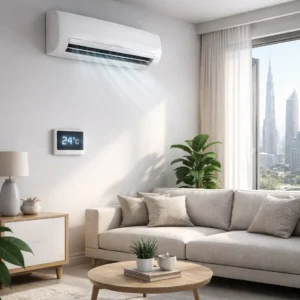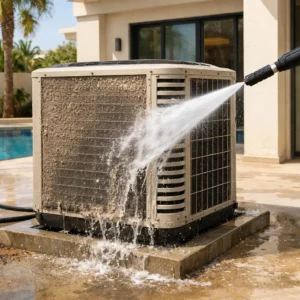





An ac upgrade is often considered when cooling problems start to feel repetitive rather than accidental. You may notice that repairs are becoming more frequent, electricity bills keep increasing, or comfort levels are no longer consistent across rooms. In hot climates like the UAE, this creates a common dilemma: should you keep repairing the existing AC, or is it finally time to upgrade to a newer system? This guide is designed to help you make that decision clearly and calmly by comparing repair versus replace scenarios, explaining efficiency in wallet-focused terms, and showing how an AC upgrade should be viewed as a long-term investment rather than a short-term expense.
Table of Contents
ToggleRepair or Replace? How to Decide if an AC Upgrade Makes Sense
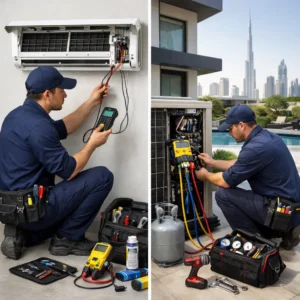
The first question most people face is whether repairing the current system is still reasonable. An AC upgrade usually becomes the smarter option when repairs stop being occasional and start becoming routine.
There are three main factors to evaluate:
- Age of the AC unit: Systems older than 10–15 years are generally less efficient and more prone to failure.
- Repair frequency: If you are calling technicians multiple times a year, the cost adds up quickly.
- Performance decline: Longer run times, uneven cooling, and frequent breakdowns signal deeper wear.
A simple way to think about it is this: if repair costs over a short period start approaching a meaningful portion of a new system’s cost, upgrading often makes more financial sense. Continuing to repair an aging system may feel cheaper today, but it often leads to higher long-term spending and ongoing inconvenience.
Understanding Efficiency Gaps Between Old and Modern AC Systems
One of the biggest reasons people choose an ac upgrade is efficiency. Older AC systems were designed at a time when energy costs and efficiency standards were very different.
Modern systems are built to deliver the same or better cooling while using significantly less electricity. The difference is not always obvious in daily use, but it becomes very clear on monthly energy bills.
Older systems typically:
- Run at a single speed, cycling on and off frequently
- Consume more power during startup
- Lose efficiency as components age
Newer systems are designed to adjust output based on demand, which means they avoid unnecessary energy use and maintain more stable indoor temperatures.
Efficiency Ratings Explained in Simple, Wallet-Focused Terms
Efficiency ratings can sound technical, but the impact is simple: higher efficiency means lower long-term energy spending.
Instead of focusing on technical definitions, think of efficiency this way:
- Lower efficiency systems: Lower upfront cost, higher monthly electricity bills.
- Higher efficiency systems: Slightly higher upfront cost, noticeably lower energy bills over time.
Over several years, the energy savings from a more efficient system can outweigh the initial price difference. This is why an AC upgrade should not be evaluated only on purchase price, but on total cost of ownership.
In some regions, incentives, rebates, or tax credits may be available for higher-efficiency systems. These programs change over time, so rather than focusing on exact amounts, it is best to confirm current options with your service provider and ask them to tell you the price impact based on your situation.
Beyond Central AC: Modern AC Upgrade Technology Options
An ac upgrade today does not mean you are limited to the same type of system you already have. Modern technology offers several alternatives that may better match your comfort needs, space layout, and usage habits.
Heat Pumps
Heat pumps provide both cooling and heating in a single system. They are highly efficient and suitable for spaces where year-round temperature control is needed. For many users, heat pumps offer a balanced combination of comfort and efficiency.
Variable-Speed Systems
Variable-speed AC systems adjust their output continuously instead of switching fully on or off. This results in:
- More stable indoor temperatures
- Quieter operation
- Improved humidity control
They are ideal for people who value comfort consistency and reduced noise.
Dual-Fuel Systems
Dual-fuel systems combine two energy sources, allowing the system to switch based on efficiency needs. This option is useful where energy pricing or seasonal usage patterns vary.
Ductless Solutions
Ductless systems are popular where ductwork is limited, outdated, or inefficient. They allow zone-based cooling, meaning you cool only the rooms you use, which can significantly reduce energy waste.
Critical Installation Factors That Determine Upgrade Performance
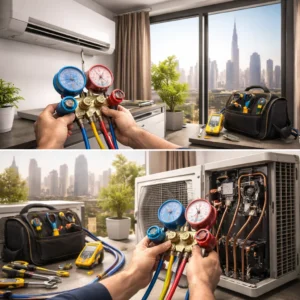
Even the best AC system will underperform if installed incorrectly. A successful ac upgrade depends as much on installation quality as on the equipment itself.
Key installation factors include:
- Ductwork condition: Leaky or dirty ducts reduce efficiency and airflow.
- Proper load calculation: The system must match the actual cooling needs of the space.
- Airflow balance: Correct airflow ensures even cooling across rooms.
- Thermostat integration: Smart or compatible thermostats help the system operate efficiently.
Skipping these steps often results in wasted investment, where a new system does not deliver the expected comfort or savings.
Matching Your Priorities to the Right AC Upgrade Option
Not all users value the same things. A good AC upgrade decision matches the system to your priorities rather than choosing the most expensive or most advertised option.
| Priority | Best-Suited Option |
|---|---|
| Lower upfront cost | Standard efficiency central AC |
| Quiet operation | Variable-speed systems |
| Energy savings | High-efficiency or heat pump systems |
| Limited duct space | Ductless or hybrid solutions |
This comparison helps you focus on what matters most to you rather than chasing features you may not need.
Long-Term Ownership: Why AC Upgrade Is an Investment
Many people hesitate to upgrade because they focus only on the initial price. However, an ac upgrade should be viewed as an investment that delivers returns over time.
Key elements of long-term value include:
- Lower operating costs: Reduced electricity consumption month after month.
- Improved reliability: Fewer breakdowns and emergency repairs.
- Better comfort: Stable temperatures and improved air quality.
- Future savings: Reduced repair costs over several years.
When evaluated over five to ten years, a well-planned AC upgrade often costs less overall than maintaining an outdated system.
When Professional Guidance Makes the Difference
Deciding on an AC upgrade involves multiple variables: system type, efficiency level, installation quality, and future usage patterns. Without expert guidance, it is easy to overspend or choose a system that does not match your needs.
Bio On Air helps customers evaluate repair-versus-replace decisions, assess efficiency gaps, and select upgrade solutions that align with comfort goals and long-term budgets. Our approach focuses on education and clarity rather than pressure, so you understand why an upgrade makes sense before proceeding.
If you are considering an upgrade, using the WhatsApp or Call button at the top right of this page allows you to discuss options, understand price ranges, and clarify what upgrade path fits your space best.
Conclusion
An ac upgrade is not just about replacing old equipment. It is about improving comfort, controlling energy costs, and reducing long-term stress from repeated repairs. By evaluating unit age, repair frequency, and efficiency gaps, you can decide when upgrading is smarter than fixing. Understanding modern efficiency in wallet-focused terms helps you see savings beyond the initial price, while exploring new technology options ensures the system fits your lifestyle.
When planned carefully and installed correctly, an AC upgrade becomes an investment that pays off through lower energy bills, improved reliability, and consistent comfort for years to come. Taking a long-term view allows you to move from reactive fixes to a stable, efficient cooling solution that truly supports your daily life.