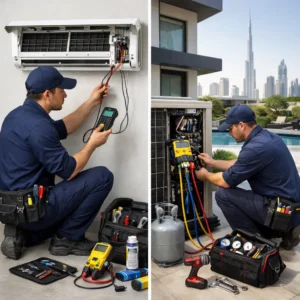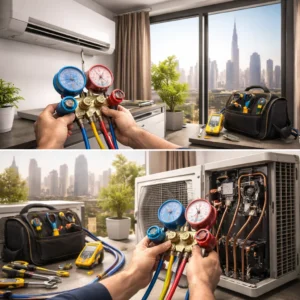





Understanding ac unit change cost is often confusing because replacement pricing is not just about buying a new AC. Homeowners usually feel uncertain about what they are really paying for, why quotes vary so widely, and whether replacing the unit is truly the right decision compared to repairing the old one. This guide is written to set clear expectations early, explain what makes up the total cost, and help you think through replacement decisions logically—without pressure or sales language.
Table of Contents
ToggleBig-Picture AC Unit Change Cost by Replacement Tier
One of the biggest pain points when researching ac unit change cost is the lack of a clear starting range. Instead of jumping straight into technical details, it helps to think in tiers. These tiers are not exact prices, but expectation ranges based on system type, efficiency, and installation complexity.
Budget Replacement Tier
Budget-tier replacements usually involve standard-efficiency systems designed to restore basic cooling with minimal upgrades. These are commonly chosen when:
- The home or unit is small to medium in size
- The existing ductwork is still usable
- The main goal is functional cooling rather than energy optimization
This tier prioritizes affordability and quick installation. It often suits rental properties, older homes nearing renovation, or situations where the existing system has failed completely and needs a fast, practical solution.
Mid-Range Replacement Tier
Mid-range replacements balance cost and efficiency. Most homeowners fall into this category because it offers noticeable energy savings without premium pricing.
Typical characteristics include:
- Higher energy efficiency compared to older systems
- Improved airflow and temperature consistency
- Compatibility with existing ducts after minor adjustments
This tier is often selected by homeowners planning to stay in the property long term and who want lower operating costs without complex system upgrades.
Premium Replacement Tier
Premium replacements focus on long-term performance, comfort, and energy efficiency. They are often chosen when:
- The home is large or has multiple zones
- Indoor air quality and noise control are high priorities
- Energy savings over many years matter more than upfront cost
These systems may include advanced controls, higher efficiency ratings, and more complex installation requirements. While the upfront ac unit change cost is higher, operating costs over time are usually lower.
What Makes Up the Total AC Unit Change Cost
A common misconception is that most of the cost comes from the AC unit itself. In reality, the total quote is made up of several components, each of which affects reliability and safety.
Equipment Cost
The equipment typically represents a significant portion of the total price, but not always the majority. Factors that influence equipment cost include:
- System type (split, ductless, or central)
- Cooling capacity required
- Energy efficiency rating
Labor and Installation Work
Labor is a critical part of ac unit change cost. Proper installation ensures the system performs as designed. Poor installation can reduce efficiency and shorten system life.
Labor may include:
- Removing the old unit safely
- Installing and securing the new system
- Electrical and control connections
- System testing and calibration
Removal and Disposal of Old Equipment
Old units must be removed and disposed of properly, especially when refrigerants are involved. This process is often included in professional installation quotes but should always be confirmed.
Permits and Compliance
Depending on location and system type, permits may be required. Missing permits can create future problems, especially during property sales or insurance claims.
Related Upgrade Work
Sometimes replacement reveals other issues, such as:
- Worn electrical connections
- Outdated thermostats
- Ductwork that no longer supports efficient airflow
These upgrades may add to the initial cost but often prevent repeated problems later.
Why AC Unit Change Cost Varies So Much
Two homes can receive very different quotes for the same basic replacement. Understanding why helps reduce frustration.
Home Size and Layout
Larger homes require higher-capacity systems, which increase both equipment and labor costs. Layout also matters—multi-story homes or properties with limited access increase installation complexity.
System Type
Ductless systems, central systems, and packaged units all have different installation requirements. The type of system directly affects the final ac unit change cost.
Energy Efficiency Level
Higher efficiency systems cost more upfront but use less electricity. The decision often depends on how long you plan to stay in the home.
Duct Condition
If ducts are damaged, undersized, or leaking, replacement alone may not solve comfort issues. Duct repair or cleaning can influence the total cost and performance.
Understanding professional AC duct cleaning helps clarify when duct-related work is part of the solution.
Installation Complexity
Limited access, rooftop units, or older buildings increase labor time. Complexity does not always mean inefficiency, but it does affect pricing.
Regional Market Differences
Labor rates, regulations, and demand vary by region. In hot climates like the UAE, demand during peak seasons can also influence scheduling and pricing.
Efficiency, Energy Use, and Long-Term Savings
Many homeowners focus only on upfront ac unit change cost, but long-term energy use plays a major role in total ownership cost.
Higher-efficiency systems:
- Consume less electricity for the same cooling output
- Operate more consistently under heavy load
- Often last longer due to reduced strain
Over several years, lower monthly energy bills can offset the higher initial cost. This is especially relevant in climates where AC runs for long hours most of the year.
In some cases, incentives or rebates may be available for high-efficiency systems. While availability varies, it is worth asking about current options during consultation.
Repair Versus Replace: A Practical Decision Framework
One of the most difficult questions homeowners face is whether to repair the existing system or replace it. The answer depends on several factors.
Unit Age
Older systems are generally less efficient and more prone to failure. As a unit ages, repairs become more frequent and less predictable.
Repair Frequency
If you have needed multiple repairs in recent years, replacement may offer better long-term value.
Refrigerant Availability
Some older systems use refrigerants that are becoming scarce or expensive. This can significantly increase repair costs and future risk.
Future Risk
Even after repair, aging systems carry higher failure risk. Replacement reduces uncertainty and unexpected downtime.
Professional AC repair assessments often help homeowners understand when repairs still make sense and when replacement is the safer option.
Comparing AC System Categories by Use Case
Instead of focusing on exact prices, it helps to compare system categories by how they are typically used.
- Standard split systems: suitable for single-zone homes with moderate cooling needs
- Ductless systems: flexible zoning and good for retrofits
- Central systems: consistent cooling for larger properties
Each category offers different efficiency levels and installation requirements, which directly affect overall cost and comfort.
Common Red Flags When Receiving AC Replacement Quotes
Not all quotes are created equal. Watch for these warning signs:
- Prices given remotely without inspection
- Recommendations for oversized systems without explanation
- Missing permit or compliance details
- Unclear warranty coverage
These red flags often lead to higher costs or performance issues later.
Using Estimation Tools Before Requesting Inspection
While no online tool can replace a professional inspection, basic estimation tools help homeowners understand scope.
These tools often consider:
- Home size
- Number of rooms
- Existing system type
They provide rough expectations, helping you ask better questions during consultations.
When AC Replacement Should Be Handled Properly
Delaying replacement when a system is clearly failing can lead to poor air quality, rising energy bills, and sudden breakdowns during extreme heat. Bio On Air supports homeowners by explaining options clearly, outlining realistic costs, and ensuring safe installation when replacement is necessary. Acting early helps reduce long-term expenses and avoids emergency situations. For guidance or to discuss your situation, you can use the WhatsApp or Call button at the top right of this page to speak with our team.
Conclusion
Understanding ac unit change cost starts with knowing what you are really paying for and why prices vary. Replacement is not just about equipment—it includes labor, compliance, and long-term performance considerations.
By thinking in tiers, understanding cost components, and weighing repair versus replacement carefully, homeowners can make decisions with confidence. A well-planned replacement improves comfort, energy efficiency, and reliability, turning what feels like a stressful expense into a long-term investment in your home.