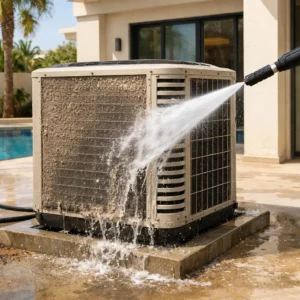





When people search for ac temperature during summer, they are usually looking for a clear, practical answer: what exact temperature should I set so my room feels comfortable without wasting energy or damaging the AC? In hot climates like the UAE, this question is especially important because outdoor temperatures can exceed safe comfort levels for long periods, and incorrect AC settings can lead to higher bills, poor sleep, health discomfort, and faster system wear.
Table of Contents
ToggleWhy AC Temperature During Summer Needs a Clear Standard
One of the biggest pain points during summer is confusion. Some people set their AC extremely low, hoping to cool the room faster. Others raise the temperature too much to save electricity but end up feeling uncomfortable. The truth is that there is a recommended temperature range that balances comfort, health, and efficiency.
During summer, the AC is not only responsible for cooling. It also controls humidity, air circulation, and overall indoor comfort. Setting the wrong temperature can cause problems such as:
- Excessive electricity consumption
- Uneven cooling and hot spots
- Dry air or humidity imbalance
- Increased strain on AC components
- Frequent breakdowns during peak season
This is why understanding the correct ac temperature during summer is more than a comfort decision—it is a system health decision.
The Exact Recommended AC Temperature During Summer
For most residential and office environments, the recommended AC temperature during summer is:
- 24°C to 26°C (75°F to 79°F) for daytime use
- 25°C to 27°C (77°F to 81°F) for nighttime or sleeping
This range is widely considered the best balance between comfort and efficiency in hot climates. It allows the AC to cool effectively without running continuously at maximum load.
Many people are surprised by this recommendation because it sounds “too warm.” However, comfort is not only about cold air. It is about stable temperature, controlled humidity, and consistent airflow.
Why 24°C to 26°C Is Ideal in Summer
Setting your AC within this range works for several reasons:
1. Reduced temperature shock
When the outdoor temperature is 40°C or higher, setting your AC to 18°C creates a very large temperature gap. This forces the system to work harder and can cause discomfort when moving between indoor and outdoor spaces.
2. Better humidity control
At moderate settings, the AC has enough runtime to remove moisture from the air without over-drying it. This makes the room feel cooler even at higher temperatures.
3. Lower energy consumption
Every degree you lower the thermostat below the recommended range increases energy use significantly. Staying at 24°C–26°C helps keep electricity bills predictable during summer.
4. Less strain on the AC system
Compressors, fans, and electrical components last longer when they are not pushed to extreme limits daily.
Common Mistake: Setting AC Too Low in Summer
One of the most common mistakes during summer is setting the AC to very low temperatures, such as 16°C–20°C, with the belief that it will cool the room faster.
In reality:
- The AC cools at a fixed rate, regardless of how low you set the temperature.
- Lower settings only make the system run longer, not faster.
- Continuous operation increases wear on the compressor.
This approach often leads to higher bills and more frequent repair needs. Many emergency service calls during summer are linked to overworked systems caused by unrealistic temperature settings.
AC Temperature During Summer for Different Spaces
Not all spaces should use the exact same temperature. Here is a practical breakdown:
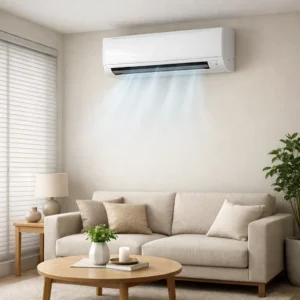
Living Rooms and Common Areas
Recommended range: 24°C–26°C
Living rooms usually have more people, movement, and heat sources (TVs, lighting, kitchen airflow). This range keeps the area comfortable without overcooling.
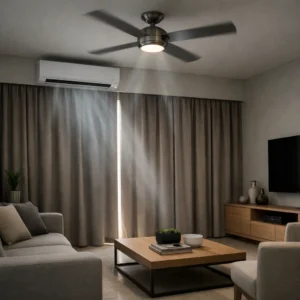
Bedrooms at Night
Recommended range: 25°C–27°C
During sleep, the body’s temperature naturally drops. Slightly higher AC settings prevent dryness, sore throat, and cold-related discomfort while still maintaining comfort.
Home Offices
Recommended range: 24°C–25°C
Mental focus and productivity are best at stable, moderate temperatures. Extremely cold air can cause fatigue and discomfort during long work hours.
Commercial Offices
Recommended range: 23°C–25°C
Because of higher occupancy and equipment heat, offices often need slightly cooler settings, but still within a controlled range.
AC Temperature and Humidity: Why Both Matter
Many people think temperature alone defines comfort. In reality, humidity plays an equally important role.
During summer, high humidity makes air feel warmer than it actually is. When humidity is controlled, a room at 26°C can feel as comfortable as a humid room at 22°C.
Correct ac temperature during summer allows the system to:
- Remove excess moisture gradually
- Prevent mold growth inside the unit
- Maintain balanced indoor air quality
When temperature is set too low, the AC may short-cycle, reducing its ability to dehumidify effectively.
Energy Impact of AC Temperature Settings
Energy usage rises sharply with lower thermostat settings. As a general guideline:
- Lowering the AC by 1°C can increase energy use by 6–10%
- Running AC below 22°C during peak summer hours significantly raises electricity bills
In the UAE, where AC usage is constant during summer, this difference can be substantial over a single month.
Staying within the recommended range is one of the easiest ways to control energy costs without sacrificing comfort.
Health Effects of Incorrect AC Temperature During Summer
Improper AC settings can affect health, especially with long daily exposure.
Too Cold
- Dry throat and nasal passages
- Headaches and muscle stiffness
- Worsened respiratory irritation
Too Warm
- Fatigue and poor sleep quality
- Excessive sweating indoors
- Higher risk of heat stress
The recommended summer temperature range minimizes these risks and supports stable comfort throughout the day.
AC Temperature During Summer and System Lifespan
Your AC system is designed to operate within certain limits. Continuous operation at extreme settings accelerates wear.
Keeping your AC within the correct summer temperature range helps:
- Extend compressor lifespan
- Reduce emergency breakdowns
- Maintain consistent cooling performance
Many major component failures occur during summer because systems are pushed beyond their design capacity for long periods.
Signs Your AC Temperature Setting Is Not Optimal
You may need to adjust your settings if you notice:
- The AC runs constantly without reaching the set temperature
- Rooms feel cold but air feels dry or uncomfortable
- Electricity bills spike suddenly
- Uneven cooling between rooms
These symptoms often indicate that the temperature is set too low or that the system needs inspection.
Adjusting AC Temperature Gradually During Summer
Sudden temperature changes can stress both the system and occupants.
Best practice:
- Adjust temperature in 1°C steps
- Allow 30–60 minutes between adjustments
- Observe comfort and system behavior
This approach helps the AC stabilize and prevents unnecessary load spikes.
When Correct Temperature Is Not Enough
If your AC is set correctly but still feels uncomfortable, the issue may not be the thermostat.
Possible causes include:
- Dirty filters or coils
- Blocked airflow or duct issues
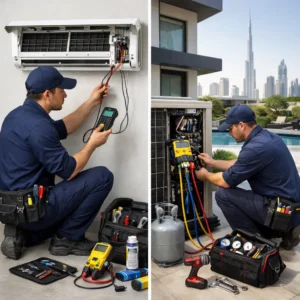
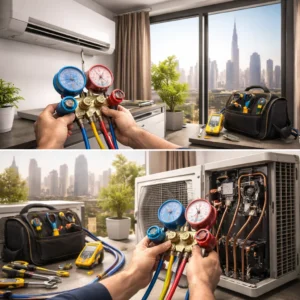
- Low refrigerant levels
- Poor system sizing or installation
In these cases, professional inspection is more effective than changing temperature settings repeatedly.
AC Temperature During Summer in the UAE Climate
The UAE’s climate is unique due to extreme heat and high humidity levels in certain seasons.
Because of this:
- AC systems often run for many hours continuously
- Overcooling is a common but harmful habit
- Preventive care is especially important
Using the correct ac temperature during summer helps your system cope better with these extreme conditions.
When AC Issues Should Be Addressed Properly
If your AC struggles to maintain the recommended summer temperature, it is a sign that something is wrong. Ignoring the issue can lead to higher energy bills, unhealthy indoor air, and more serious system damage. Bio On Air helps address cooling and air-quality-related issues through proper inspection, safe technical procedures, and clear explanations. Acting early is a preventive step that protects comfort, health, and long-term costs. You can use the WhatsApp or Call button at the top right of this page to discuss your AC condition with our team.
Conclusion
The correct ac temperature during summer is not about making your room as cold as possible. It is about balance. For most homes and offices, setting the AC between 24°C and 26°C during the day, and slightly higher at night, provides the best mix of comfort, efficiency, and system protection.
Understanding and applying this temperature range helps reduce electricity bills, improve indoor air quality, and extend the life of your AC system. In a hot climate like the UAE, small adjustments make a big difference. When temperature settings alone do not solve comfort issues, professional inspection and proper maintenance are the next logical steps to keep your indoor environment healthy and reliable throughout summer.