




Choosing the right ac set up temperature in Dubai is not just about comfort—it directly affects your electricity bill, indoor air quality, and long-term AC performance. With extreme heat and humidity in the UAE, finding the correct temperature balance is essential to stay cool without overworking your system.
Table of Contents
ToggleThe Golden Standard AC Temperature in Dubai
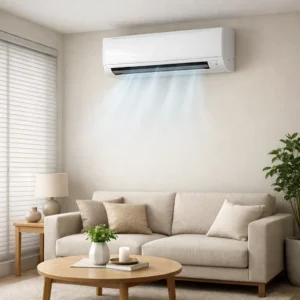
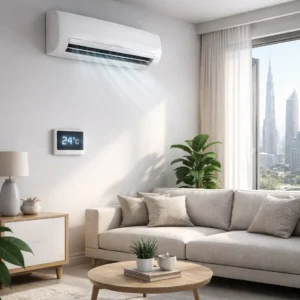
In Dubai, the commonly recommended baseline is 24°C. This is widely recognized as the “sweet spot” between comfort and energy efficiency.
At 24°C:
- Your AC runs efficiently without excessive strain
- Electricity consumption remains controlled
- Indoor humidity stays balanced
- The cooling feels comfortable for most people
Lowering the temperature below 22°C may feel colder, but it significantly increases energy usage and can lead to condensation problems inside your home.
How Thermostat Settings Affect Your Electricity Bill
Many people underestimate how much temperature settings impact energy consumption.
A simple rule:
- Every 1°C lower can increase electricity usage by around 5–8%
For example:
- 24°C → normal consumption
- 22°C → noticeably higher bill
- 20°C → heavy load on AC system
This happens because your AC has to work harder and longer to maintain lower temperatures in Dubai’s extreme outdoor heat.
Best AC Temperature Settings for Different Situations
Sleeping Temperature
For sleep, the ideal range is:
- 22°C – 24°C
This range allows your body to cool naturally without waking up feeling too cold. Setting it too low can cause dryness and discomfort during the night.
When You Are Away from Home
Many people turn off their AC completely, but in Dubai, this can cause indoor heat buildup and humidity problems.
Recommended setting:
- 26°C – 27°C
This helps:
- Prevent mold growth
- Reduce humidity accumulation
- Keep cooling load manageable when you return
Newborn or Baby Rooms
For infants, temperature control is more sensitive.
Recommended range:
- 23°C – 25°C
This ensures comfort without exposing babies to overly cold air, which can affect their breathing.
Extreme Summer Conditions
During peak summer (above 40°C outdoor), your AC works under maximum load.
Recommended approach:
- Set temperature at 23°C – 25°C
- Avoid extreme low settings
Lowering temperature too much will not cool faster—it only increases strain on the system.
Auto Mode vs On Mode Why It Matters
One of the most overlooked settings is fan mode.
Auto Mode (Recommended)
- Fan turns on and off automatically
- Maintains stable temperature
- Reduces energy consumption
On Mode (Not Recommended)
- Fan runs continuously
- Pushes humidity back into the room
- Increases electricity usage
In Dubai, using Auto mode is essential for both comfort and humidity control.
Humidity Control and Mold Prevention
Humidity plays a major role in indoor comfort. Even if the temperature is low, high humidity can make the room feel uncomfortable.
Common mistake:
- Setting AC too low (below 20°C)
This can cause:
- Condensation on walls and ceilings
- Moisture buildup inside ducts
- Mold growth over time
Proper temperature control combined with clean airflow is key. If ducts are contaminated, humidity issues become worse, which is why proper AC duct cleaning plays an important role in maintaining air quality.
When to Use Dry Mode
Dry mode is useful in specific situations where humidity is high but temperature is not extremely hot.
Use dry mode when:
- Room feels damp or sticky
- Humidity is high during evenings or coastal weather
Dry mode reduces moisture without aggressively cooling the air, making it energy-efficient in certain conditions.
Practical Ways to Reduce Cooling Costs Without Lowering Temperature
You don’t always need to lower your AC temperature to feel cooler. Instead, optimize your environment.
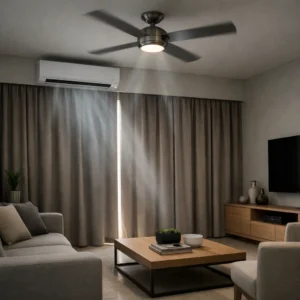
1. Use Ceiling or Standing Fans
Fans improve air circulation, making the room feel cooler without lowering temperature.
2. Install Blackout Curtains
Blocking sunlight reduces heat entering your home, reducing AC workload.
3. Seal Windows and Doors
Preventing hot air from entering helps maintain stable indoor temperature.
4. Reduce Heat Sources
- Turn off unused electronics
- Limit cooking during peak heat hours
These simple steps can significantly reduce energy consumption.
Maintenance Factors That Affect Cooling Performance
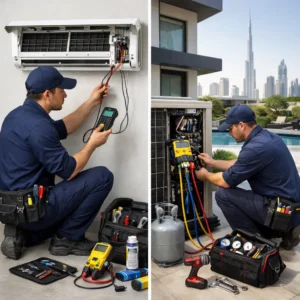
1. Dirty Air Filters
Clogged filters restrict airflow, making your AC work harder.
- Recommended cleaning: every 2–4 weeks
2. Duct Condition
Dust buildup inside ducts reduces airflow and spreads contaminants.
This directly impacts cooling efficiency and indoor air quality.
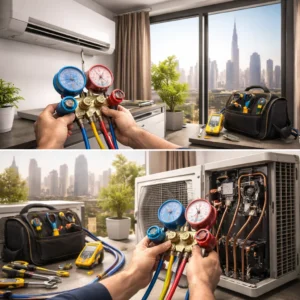
3. Refrigerant Levels
Low refrigerant causes weak cooling even if temperature is set correctly.
In such cases, proper AC gas refill may be required.
4. Coil Cleanliness
Dirty coils reduce heat exchange efficiency, making cooling slower and more expensive.
Why Your AC Feels Weak Even at Low Temperature
If your AC is set to 20°C but still feels warm, the issue is usually not the temperature setting.
Possible causes:
- Dirty filters or ducts
- Low refrigerant
- Blocked airflow
- Improper system maintenance
This is why proper maintenance is more important than lowering temperature.
Common Mistakes People Make with AC Settings
| Mistake | Impact |
|---|---|
| Setting temperature too low | High electricity bill |
| Using fan “On” mode | Humidity increase |
| Turning AC off completely | Heat buildup and mold risk |
| Ignoring maintenance | Poor cooling performance |
Long-Term Strategy for Efficient Cooling in Dubai
The best approach is not extreme cooling, but balanced system management.
- Maintain temperature around 24°C
- Use auto mode consistently
- Perform regular maintenance
- Control indoor humidity
This ensures comfort, lower costs, and longer AC lifespan.
If your AC struggles to maintain temperature or your indoor environment feels uncomfortable despite correct settings, it may indicate deeper issues such as airflow restriction, duct contamination, or refrigerant imbalance. Ignoring these signs can lead to poor air quality, higher electricity bills, and long-term system damage. Addressing these problems early helps maintain both comfort and efficiency. If you need clarity about your AC condition, you can use the WhatsApp or Call button on the top right to connect with the Bio On Air team and understand the most suitable next step.
Conclusion
Setting the right ac set up temperature in Dubai is about balance, not extremes. With proper temperature control, correct AC modes, and regular maintenance, you can achieve consistent comfort, better air quality, and lower energy costs throughout the year.