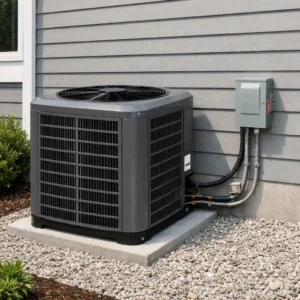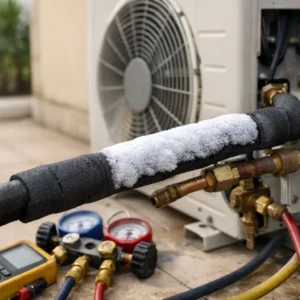





Searching for ac service and repair usually means you want more than a quick fix. You want your AC system to cool properly, run efficiently, and stay reliable without creating new problems later. In the UAE’s climate, AC is not optional—it directly affects daily comfort, indoor air quality, health, and energy costs. A responsible AC service and repair job should not focus only on restoring cooling for today, but on protecting the system so the same issue does not return. This article explains the full scope of work that defines a truly responsible AC service and repair, so you know what to expect, what questions to ask, and how to avoid incomplete or careless work.
Table of Contents
Toggle#1 System Inspection and Condition Assessment
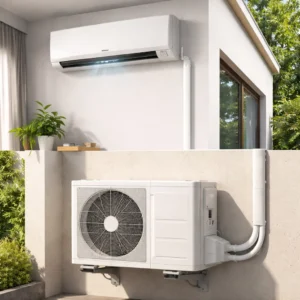
The foundation of responsible ac service and repair is a proper inspection. Without understanding the current condition of the system, any service or repair is guesswork.
A thorough inspection typically includes:
- Visual check of indoor and outdoor units
- Assessment of airflow strength and distribution
- Inspection of electrical connections and controls
- Checking for visible signs of wear, corrosion, or leakage
This step helps identify not only the main problem, but also secondary issues that may cause future failure. For example, a clogged drain line might not stop cooling immediately, but it can lead to water leakage and internal contamination if ignored.
A responsible technician does not rush this stage. They use it to build a clear picture of the system’s overall health before suggesting any action.
#2 Clear Problem Identification and Root Cause Analysis
Responsible AC service and repair focuses on root causes, not symptoms. Many AC problems show similar signs—warm air, weak airflow, or unusual noise—but the underlying causes can be very different.
Root cause analysis may involve:
- Comparing thermostat settings with actual room temperature
- Checking coil condition and heat exchange efficiency
- Evaluating fan motor operation
- Identifying airflow restrictions or imbalance
For example, low cooling performance could be caused by dirty coils, restricted airflow, or refrigerant loss. Treating the wrong cause leads to repeat problems and higher long-term costs.
A responsible service provider explains the findings in simple language so you understand what went wrong and why the issue appeared.
#3 Filter Cleaning or Replacement
Air filters play a critical role in both cooling performance and indoor air quality. Neglecting filters is one of the most common reasons AC systems lose efficiency.
As part of professional AC service and repair, filters should be:
- Removed and inspected
- Cleaned thoroughly or replaced if worn
- Checked for correct size and fit
Dirty filters restrict airflow, force the system to work harder, increase energy consumption, and circulate dust through indoor spaces. Responsible servicing always addresses filters, even if they are not the main cause of the reported problem.
#4 Coil Inspection and Cleaning
Evaporator and condenser coils are essential for heat exchange. When coils are dirty, the AC struggles to absorb and release heat efficiently.
Responsible AC service and repair includes:
- Inspecting coil surface condition
- Removing dust, grease, and buildup
- Ensuring fins are not bent or blocked
Clean coils help restore proper cooling, reduce strain on the compressor, and lower electricity usage. Skipping coil cleaning often leads to repeated service calls for the same cooling complaint.
#5 Drain Line and Moisture Management
Moisture is a natural byproduct of AC operation. Managing it correctly is essential to avoid water leakage, mold growth, and unpleasant odors.
A responsible service scope includes:
- Checking drain pan condition
- Clearing clogged drain lines
- Ensuring proper slope and water flow
Blocked drainage may not immediately affect cooling, but it can cause water damage and indoor air quality issues. Proper drain management prevents these problems before they escalate.
#6 Refrigerant Level Check and Leak Detection
Refrigerant is often misunderstood. It does not get “used up” under normal operation. If refrigerant is low, there is usually a leak.
Responsible AC service and repair involves:
- Measuring refrigerant pressure
- Checking for signs of leakage
- Repairing leaks before refilling
Simply topping up refrigerant without addressing leaks leads to recurring cooling loss and repeated costs. Safe and measured handling protects both the system and the environment.
#7 Electrical and Control System Checks
Electrical components control how the AC starts, stops, and regulates temperature. Faulty connections or sensors can cause unstable operation.
A proper service scope includes:
- Inspecting wiring and terminals
- Checking control boards and sensors
- Ensuring thermostat communication is accurate
Ignoring electrical checks may result in sudden shutdowns, inconsistent cooling, or system damage. Responsible repair prioritizes safety and stability.
#8 Airflow Balance and Performance Testing
Cooling performance is not only about cold air, but how evenly it is distributed.
Responsible AC service and repair evaluates:
- Airflow strength at vents
- Distribution balance across rooms
- Signs of blockage or leakage in air paths
Poor airflow can make some rooms uncomfortable while others overcool. Identifying and correcting airflow issues improves overall comfort and efficiency.
#9 Preventive Guidance and System Care Advice
A responsible AC service does not end when the technician leaves. Part of the scope is educating you on how to prevent future problems.
This guidance may include:
- How often to clean or replace filters
- Early warning signs to watch for
- Recommended service intervals
Preventive advice helps you avoid emergency breakdowns and reduces long-term maintenance costs.
#10 Transparent Reporting and Honest Recommendations
The final scope of responsible AC service and repair is transparency. You should leave the service visit knowing exactly what was done, what condition the system is in, and what may need attention later.
This includes:
- Clear explanation of completed work
- Honest assessment of remaining risks
- Recommendations without pressure
A responsible provider does not exaggerate problems or push unnecessary replacements. They help you plan realistically, based on system condition and usage.
Why Responsibility Matters in AC Service and Repair
Irresponsible AC servicing often focuses on speed rather than accuracy. This leads to repeated visits, higher energy bills, and declining system performance.
Responsible AC service and repair protects:
- Your comfort and indoor air quality
- Your AC system’s lifespan
- Your long-term maintenance budget
It also builds trust, because you understand what is happening instead of guessing.
When AC Service and Repair Should Be Handled Properly
AC problems rarely resolve on their own. When ignored, they can reduce indoor air quality, increase electricity consumption, and cause permanent damage to key components. Bio On Air handles AC service and repair with a responsible approach that prioritizes inspection, safety, and clear communication. Acting early helps prevent costly repairs later. If you want to discuss your AC condition or understand what level of service is appropriate, you can use the WhatsApp or Call button at the top right of this page to connect with our team.
Conclusion
Responsible ac service and repair is not about quick fixes or temporary relief. It is about understanding the system, addressing root causes, and protecting long-term performance. From inspection and cleaning to electrical checks and preventive guidance, each part of the service scope plays an important role.
When you know what responsible service looks like, you are better equipped to choose the right provider and avoid incomplete work. In a climate where AC is essential, investing in proper service and repair is one of the most practical ways to maintain comfort, air quality, and energy efficiency over time.